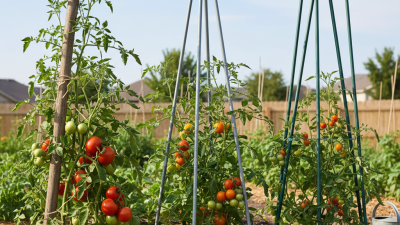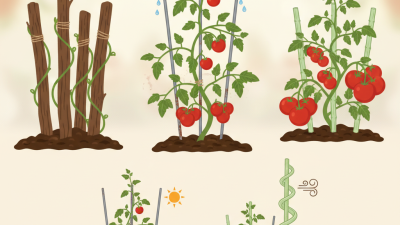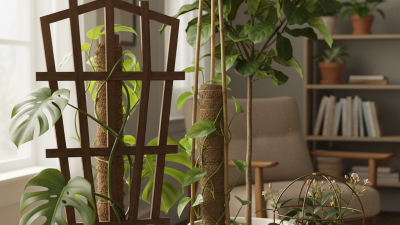
Choosing the best Tall Flower Supports begins with understanding how plants actually grow. A sturdy frame must guide stems without squeezing them. It should also disappear visually once foliage becomes dense. Flimsy wire may hold young plants briefly, then bend after rain. Heavy metal supports can last for years, but they may look harsh in a soft cottage border.
Garden designer Piet Oudolf has said, “Plants are not static objects; they change throughout the seasons.” That principle matters when selecting Tall Flower Supports. A peony needs early support before its flower heads become heavy. Delphiniums may require taller stakes and soft ties. Dahlias often need several anchor points because their stems can spread unpredictably. Place supports when shoots are still short. Waiting until stems lean creates awkward corrections and possible breakage.
Materials also affect performance. Powder-coated steel resists rust and suits permanent borders. Bamboo feels natural, but it may split or weaken outdoors. Flexible mesh gives broad support for crowded plants, while individual rings offer cleaner control. I have found that soft garden twine protects stems better than plastic ties. Still, no support works perfectly in every garden. Wind, soil, watering habits, and plant variety change the result. Sometimes a slightly visible support is better than a damaged flower. The best choice balances strength, appearance, adjustability, and honest maintenance.
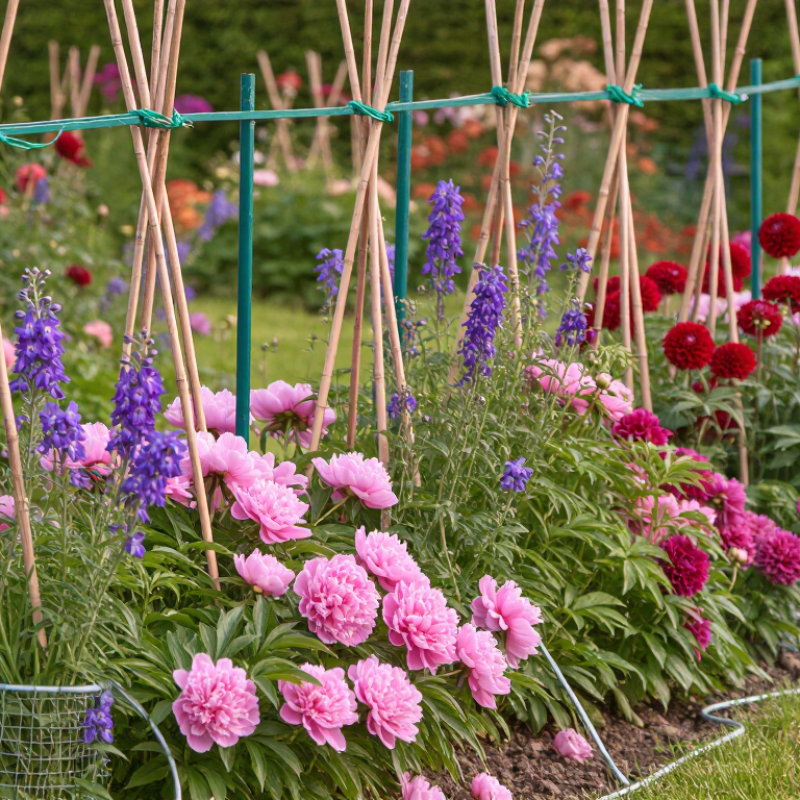
The best tall flower support depends on height, load, and stem flexibility. A support should match the plant, not merely look sturdy.
For stems under 60 centimeters, use slim rings or short stakes. They guide light stems without creating a rigid appearance. From 60 to 120 centimeters, use adjustable stakes, grids, or linked canes. These suit medium-height flowers that spread after rain. Plants above 120 centimeters need deeper anchors and wider support points. Otherwise, wind can tip the entire plant.
Load matters more than height alone. Small flower heads need gentle guidance. Heavy blooms require a stronger frame and several contact points.
I usually check the stem after watering and before flowering peaks. If it bends sharply, the support is carrying too much weight. A support should hold the stem near its natural line. Tight ties can bruise soft growth. Soft, loose loops work better than thin wire. Leave space for the stem to thicken.
Stem flexibility changes the design. Flexible stems benefit from open grids that reduce sudden movement. Brittle stems need early support and fewer adjustments. Install supports when plants reach about one-third of their mature height. Pushing stakes in later may damage roots.
I once waited too long with tall flowers, and several stems split during a storm. That mistake changed my timing, although early supports can still look untidy. Gardeners must balance appearance with protection. Recheck every few days, especially after heavy rain or strong wind.
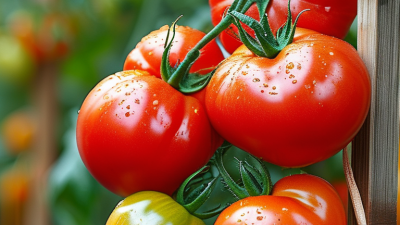
The best support depends on how a plant grows, not only on its final height. Match the structure to the habit. Use a narrow stake for one upright stem, such as delphinium or sunflower. Tie loosely with soft garden tape. The stem should move slightly.
A cage suits plants that widen as they mature. Peonies, chrysanthemums, and tall salvias often need broad support, not a single rigid pole. Install the cage while shoots are short. The Royal Horticultural Society advises placing plant supports early, before stems become tangled. I learned this after damaging a mature plant during late installation.
Choose a trellis for climbing plants with flexible stems or tendrils. Sweet peas and climbing nasturtiums need thin surfaces they can grip. A dense vine may require horizontal ties. An obelisk works better for twining plants with a rounded, climbing form. It also adds stability in exposed beds.
Height must reflect local weather. The USDA Plant Hardiness Zone Map uses 30-year average annual extreme minimum temperatures, updated in 2023. That data helps identify cold risk, but it does not measure wind or summer storms. So, a tall support may still need a deeper anchor. I sometimes overbuild supports. That looks secure, but it can restrict natural movement and shade nearby flowers. The practical test is simple: the support should hold the plant upright without making the plant look trapped.
Tall flowers usually fail because support arrives too late. The Royal Horticultural Society advises placing supports early, before stems become heavy or crowded. This protects roots and keeps plants growing naturally around the structure. I have learned this after watching a mature delphinium lean across a path overnight.
Choose supports according to mature height, not current growth. A useful working rule is to install them when plants reach one-third of their expected height. For 1.8-metre flowers, use supports about 1.2 metres high. Push stakes 20–30 centimetres into firm soil. Tie stems loosely with soft material, leaving room for movement. Rigid ties can cut into swelling stems.
Weather makes timing more important. The Met Office’s State of the UK Climate 2023 report recorded the year as the UK’s second warmest, with increasingly variable growing conditions. The RHS report Gardening in a Changing Climate also highlights heavier rainfall and weather extremes. Wet foliage becomes surprisingly heavy. Tall stems then bend quickly. Choose discreet grids, canes, or circular frames, depending on the plant’s shape. Check them after strong rain. I sometimes overestimate a stem’s strength, and that mistake is costly. Early support may look unnecessary, but hidden support usually works best.
What Are the Best Tall Flower Supports?
Tall flowers need support before they begin leaning. In my garden, simple stakes, ring supports, and linked canes work well. The best choice depends on mature height, flower weight, and local wind. A support should reach about two-thirds of the plant’s mature height. This gives stems guidance without dominating the planting area.
Anchor supports 20–30 cm deep in firm soil. Loose soil allows wind to loosen them quickly. Push supports beside young plants, not through established roots. I once waited until flowering began, and the stems were already bent. That mistake taught me to install supports early. Use soft ties with a little movement. Tight ties can pinch expanding stems and leave visible marks.
Tips
Check the forecast before planting supports. Add a second anchor in exposed gardens. Choose green or natural-colored materials for a quieter appearance. Inspect ties weekly after heavy rain. Measure mature height carefully; seed packets can be optimistic. That part is easy to overlook. For very tall plants, use two support points instead of one rigid stake. Flexible support usually looks better and helps stems move naturally. Still, some heavy-headed flowers need firmer control. My first arrangement was too low, so the upper stems folded over the ring. A taller support would have prevented that.
| Tall Flower | Typical Mature Height | Recommended Visible Support Height (Approximately ⅔) |
Recommended Anchor Depth | Approximate Total Support Length | Suitable Support Style | Placement and Use |
|---|---|---|---|---|---|---|
| Delphinium | 120–200 cm | 80–135 cm | 20–30 cm | 100–165 cm | Slender stake with soft ties or a discreet grid | Install when growth reaches about 30–45 cm; use two or more ties as the flower spike develops. |
| Hollyhock | 150–240 cm | 100–160 cm | 20–30 cm | 120–190 cm | Sturdy stake or wall-mounted support | Place the support on the side facing prevailing wind and tie the stem loosely to allow natural movement. |
| Common Sunflower | 150–300 cm | 100–200 cm | 20–30 cm | 120–230 cm | Strong single stake or tripod support | Support young plants before they become top-heavy; use a broad, soft tie that will not cut into the stem. |
| Dahlia | 90–150 cm | 60–100 cm | 20–30 cm | 80–130 cm | Single stake, ring support, or short plant cage | Insert the support near planting time to avoid damaging tubers later in the season. |
| Foxglove | 90–180 cm | 60–120 cm | 20–30 cm | 80–150 cm | Thin stake or small mesh frame | Usually needs support only in exposed gardens or when flower spikes are heavily loaded after rain. |
| Lupine | 60–120 cm | 40–80 cm | 20–30 cm | 60–110 cm | Short stake with a soft loop tie | Position the support just behind the plant and tie below the flower head to preserve its upright form. |
| Perennial Aster | 60–120 cm | 40–80 cm | 20–30 cm | 60–110 cm | Peony ring, grow-through support, or short grid | Fit the support early in the season so stems grow through it and conceal the structure. |
| Joe-Pye Weed | 150–210 cm | 100–140 cm | 20–30 cm | 120–170 cm | Heavy-duty stake, three-sided support, or garden twine frame | Use a wider support system in open locations because the tall stems can catch wind and become rain-heavy. |
Measurements are practical starting ranges. Adjust the support height for the cultivar, soil conditions, wind exposure, and the plant’s actual mature size. Keep ties loose and use soft, weather-resistant material to prevent stem damage.
What Are the Best Tall Flower Supports?
Space soft plant ties every 20–30 cm to prevent stem damage. Tall flowers often need more than one support point. A single tie near the soil may leave the upper stem bending in wind. Bamboo stakes, simple metal supports, and circular grow-through frames can all work. Choose a support that reaches about two-thirds of the plant’s mature height. Install it early, before roots become crowded.
I use soft, flexible ties rather than thin wire or hard plastic. They should hold the stem gently, with enough room for natural movement. Not too tight. Leave a small gap between the tie and stem. As the plant grows, check each tie every week. Stems can thicken quickly after warm rain. Space the ties roughly 20–30 cm apart, especially on dahlias, delphiniums, and tall lilies. Place them below leaf joints when possible, where the stem has better strength.
Wind direction also matters. I usually place the main stake on the side facing prevailing winds. This reduces repeated bending and rubbing. I once tied a young stem too low, and the flower head still leaned badly. That mistake taught me to support the upper section earlier. Avoid tying every stem rigidly; a little movement can encourage stronger growth. After watering, inspect for trapped moisture, slipped knots, or stems pressing against the support. My spacing is not always perfect, but regular adjustment prevents small problems from becoming broken stems.