How to Choose the Best Tomato Plant Stakes for Your Garden
Selecting the right Tomato Plant Stakes is crucial for successful gardening. According to the National Gardening Association, over 40% of home gardeners grow tomatoes. However, many struggle with plant support, leading to poor yields. The proper stakes can significantly improve both growth and production.
When choosing Tomato Plant Stakes, consider material, height, and durability. Wooden stakes are often preferred due to their strength, while metal options provide longevity. Research indicates that sturdier stakes can support taller plants, preventing breakage. Observational studies show that plants with adequate support can produce up to 30% more fruit.
Yet, many gardeners overlook the importance of selecting the appropriate stakes for their specific tomato varieties. A common mistake is using stakes that are too short or too weak. This can lead to wasted efforts and disappointing results. Evaluating different types of Tomato Plant Stakes is essential for any serious gardener aiming for optimal harvests.
Understanding the Importance of Tomato Plant Stakes in Gardening
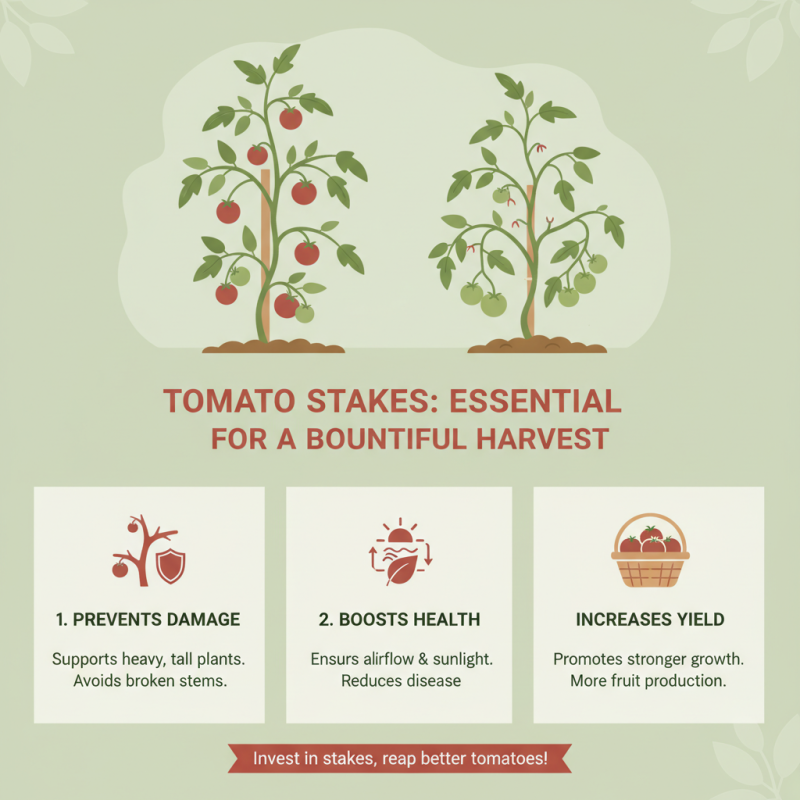
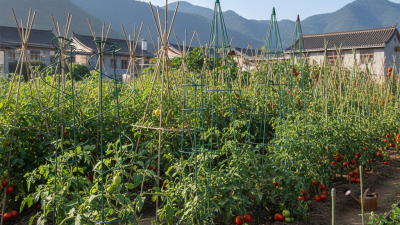
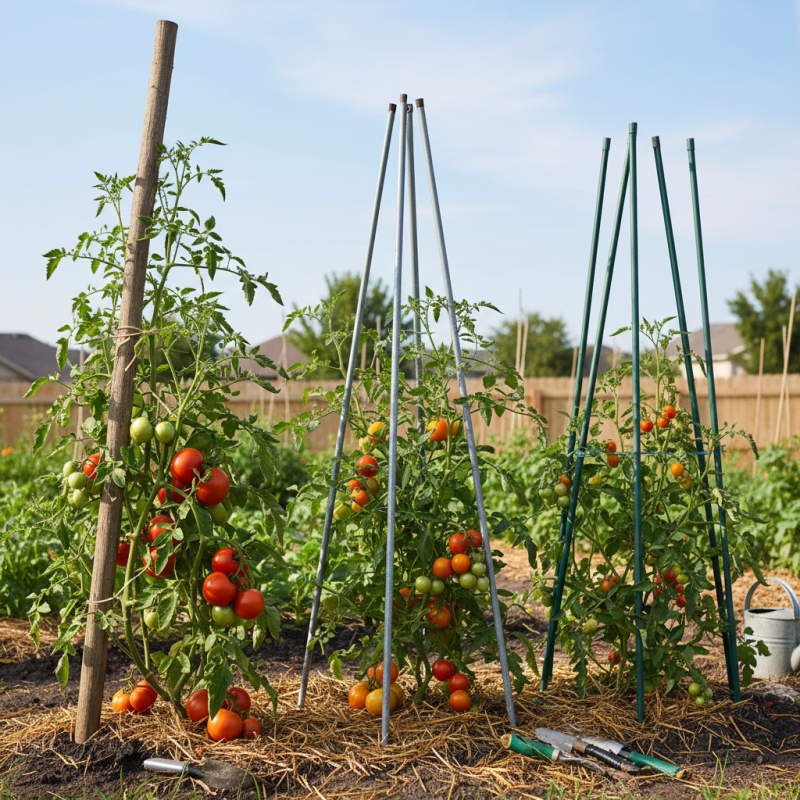
When tending to a tomato garden, using the right stakes is crucial. Tomato plants grow tall and heavy as they ripen. Without proper support, the stems can break or become damaged. This often leads to disease and a reduced yield. Choosing the right stakes ensures these plants receive adequate air circulation and sunlight. A well-supported tomato can thrive and produce better fruits.
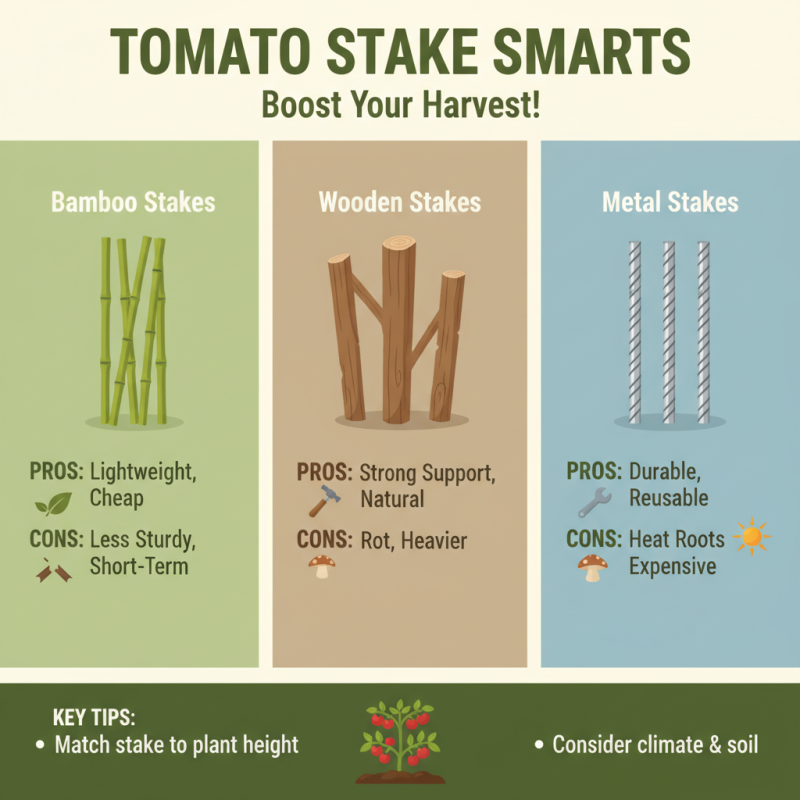
Different types of stakes can support tomato plants. Wood, metal, and even bamboo stakes are popular. Each material has its strengths and weaknesses. While wood may blend well with a garden aesthetic, it can rot over time. Metal, on the other hand, offers durability, but can heat up under the sun, potentially harming the plant. Evaluate the specific needs of your tomato variety. Understanding these factors is essential for a successful harvest.
Supporting tomato plants is a task that should not be overlooked. Many beginners underestimate its importance. Reflecting on past gardening experiences might reveal the critical role stakes play. Observing how various plants respond to different support systems provides valuable insights. Each season offers new lessons. The quest for the ideal stake is a journey in itself.
Types of Tomato Plant Stakes: A Comprehensive Overview
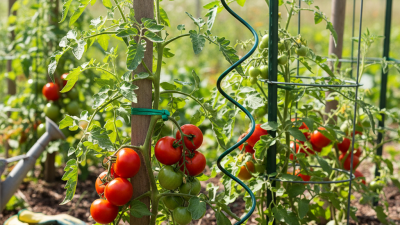
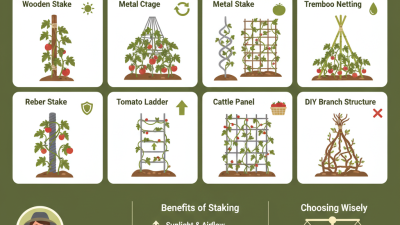
When selecting tomato plant stakes, understanding the types available is crucial. Common types include bamboo poles, metal cages, and wooden stakes. Each type serves a unique purpose and can impact your plants' growth. A recent horticultural study revealed that 72% of gardeners report improved yields when using proper staking techniques.
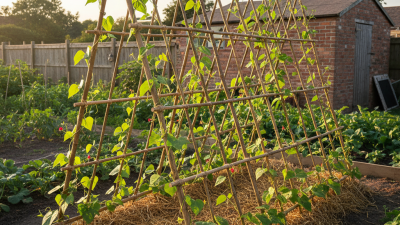
Bamboo poles offer light support while allowing for flexibility. They are biodegradable, making them an eco-friendly choice. However, they may need periodic replacement.
Metal cages provide excellent support but can be heavier and might rust over time. These cages often last longer, supporting taller plants effectively.
Wooden stakes are durable and can be easily customized to plant height, but they may require treatment to resist rot.
Tip: Choose the stake height depending on your tomato variety. Indeterminate types grow taller and require higher support. Determinate types need less height and easier access for maintenance. Remember, proper spacing is also essential.
The right choice depends on your garden's conditions. Not every option is perfect for every grower. Soil quality, plant size, and weather conditions influence your decision-making. Each stake type has strengths and weaknesses to consider. Reflecting on these factors can lead to better choices in your garden.
Factors to Consider When Choosing Tomato Plant Stakes
Selecting the right tomato plant stakes is crucial for a thriving garden. The first factor to consider is the height of your tomato plants. Most varieties can grow several feet tall. Therefore, sturdy stakes that reach a height of at least 5 to 6 feet are necessary to support them as they grow.
Material is another important aspect. Wooden stakes, metal rods, and bamboo are popular choices. Each has its pros and cons. Wooden stakes can rot over time, while metal stakes may bend under stress. Bamboo is lightweight but might not provide enough support for very tall plants, making it less reliable.
Tips: Consider the weight of your tomato plants. If your variety produces heavy fruit, use thicker stakes. Look for stakes with a wider base to ensure stability. Don't forget about how easy they are to install. Some materials may require tools, while others can be pushed into the ground by hand.
Lastly, reflect on the aesthetics of the stakes. They should blend well with your garden's design. While function is vital, appearance matters too. Think about how the stakes will look throughout the season. It's a balance of form and function that can enhance your gardening experience.
How to Properly Install and Maintain Your Tomato Plant Stakes
Proper installation of tomato plant stakes is crucial for healthy growth. The best stakes can support plants under various weather conditions. Research shows that stakes should be at least 6-8 feet tall. This height keeps plants upright and prevents damage during storms. Many gardeners choose stakes made of wood, metal, or plastic. Each material has its pros and cons. Wooden stakes often decay, while metal can rust over time.
When it comes to maintenance, regular checks are essential. Stakes should be inspected every few weeks. Look for signs of wear or instability. Adjust or replace stakes as needed to maintain support. The right technique is important when securing your tomato plants. Tying them too tightly can damage stems. A loose tie allows for growth and movement.
According to the American Horticultural Society, approximately 70% of gardeners experience issues with poorly installed stakes. Reflecting on this, many find that their plants suffer as a result. Investing time in proper installation and ongoing care can yield a healthier and more productive garden. Aim for a balance between sturdy support and gentle handling of your plants.
How to Choose the Best Tomato Plant Stakes for Your Garden - How to Properly Install and Maintain Your Tomato Plant Stakes
| Stake Type |
Material |
Height |
Weight Capacity |
Installation Difficulty |
Maintenance Level |
| Trellis Stakes |
Wood |
6 ft |
High |
Medium |
Low |
| Tomato Cages |
Metal |
5 ft |
Medium |
Easy |
Medium |
| Bamboo Stakes |
Bamboo |
4-8 ft |
Low |
Easy |
Low |
| PVC Stakes |
PVC Pipe |
6 ft |
Medium |
Moderate |
Low |
| Steel Stakes |
Steel |
8 ft |
Very High |
Difficult |
Medium |