What is the Best Type of Tomato Plant Stakes for Your Garden?
Tomato Plant Stakes play a crucial role in gardening. They support healthy growth and enhance fruit production. Choosing the right stakes can be overwhelming. With so many options available, gardeners often feel confused.
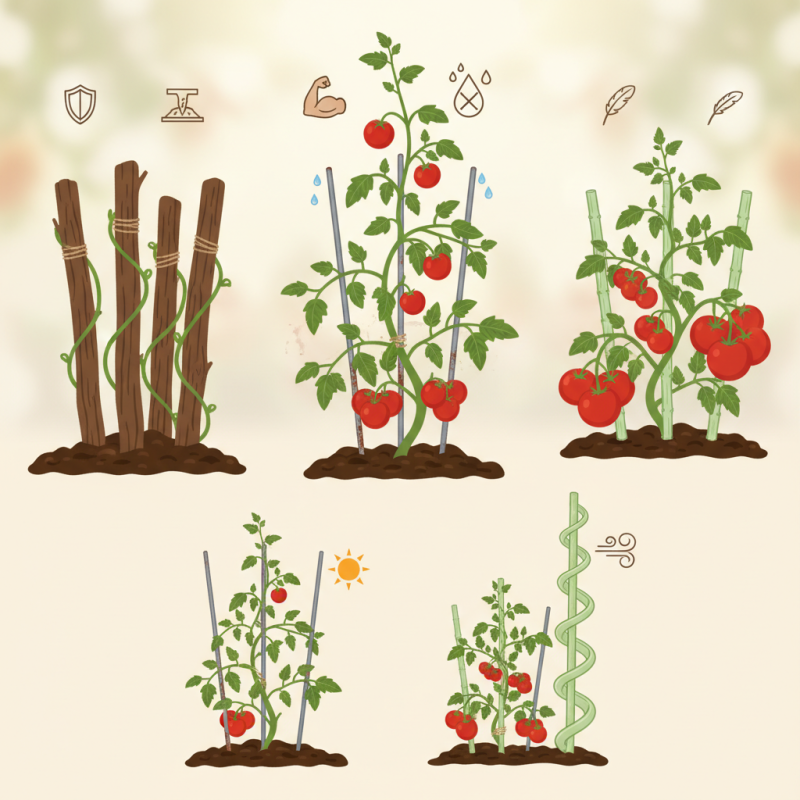
Different materials serve different purposes. Wooden stakes offer durability and stability. Metal stakes are sturdy but may rust over time. Plastic stakes are lightweight yet can bend under heavy loads. The right choice depends on your garden’s needs and the type of tomato plants you grow.
Many gardeners overlook the importance of height. Tall stakes can provide better support for sprawling plants. Yet, short stakes may be easier to handle. Reflecting on your garden layout is essential. Consider factors like sunlight and wind exposure. Ultimately, the best choice balances practicality and efficiency.
Types of Tomato Plant Stakes: An Overview of Options
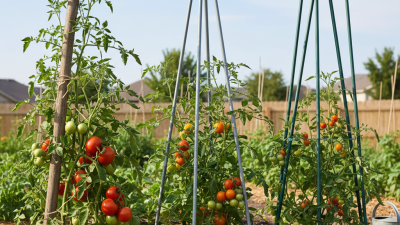
When it comes to supporting your tomato plants, various stake types are available. Each type has unique benefits and challenges. Common options include wooden stakes, bamboo poles, and metal cages. Each choice can influence the growth and health of your tomatoes in the garden.
Wooden stakes are sturdy but can rot over time. They are best used in dry climates. Bamboo stakes are lighter and eco-friendly, making them easy to handle. However, they may not offer enough support for larger plants. Metal cages provide a framework, keeping plants upright but can be cumbersome to install. Each type requires careful consideration of your growing conditions.
Tips: Use stakes that are at least six feet tall for indeterminate tomato varieties. Ensure your stakes are installed firmly to prevent them from shifting. Regularly check the stability of your plants as they grow; they can quickly become top-heavy. Adjust your support system as needed, especially during heavy fruiting. Balancing support with plant health is key in any garden.
What is the Best Type of Tomato Plant Stakes for Your Garden?
| Type of Stake |
Material |
Height (ft) |
Pros |
Cons |
| Single Stake |
Wood/Metal |
5-6 |
Easy to install, inexpensive |
Can be unstable for large plants |
| Cage Stake |
Metal |
4-5 |
Provides excellent support |
More expensive, harder to move |
| Trellis |
Wooden Lattice |
6-8 |
Great for multiple plants |
Requires more space |
| Florida Weave |
Twine and Stakes |
Varies |
Very effective, space-saving |
Need for regular maintenance |
Material Comparisons: Wood, Metal, and Plastic Stakes
When choosing tomato plant stakes, consider the material carefully. Wood, metal, and plastic each have unique benefits and downsides. Research shows that around 70% of gardeners opt for wooden stakes. They are sturdy and blend well with nature. However, untreated wood can rot over time. It may last only two to three seasons.
Metal stakes are another popular option. According to industry data, they are preferred by 20% of gardeners. Metal resists decay and offers excellent durability. Stainless steel or galvanized options work best. However, metal can be heavy and heat up quickly under the sun. This might harm plants, especially on hot days.
Plastic stakes round out the choices, attracting about 10% of gardeners. They are lightweight and easy to handle. Many types are designed to last multiple seasons. However, they can become brittle over time, especially in extreme weather. They may not support heavy plants well. Balancing the pros and cons of each material is crucial for a successful harvest.
Height and Stability: Choosing the Right Size for Your Plants
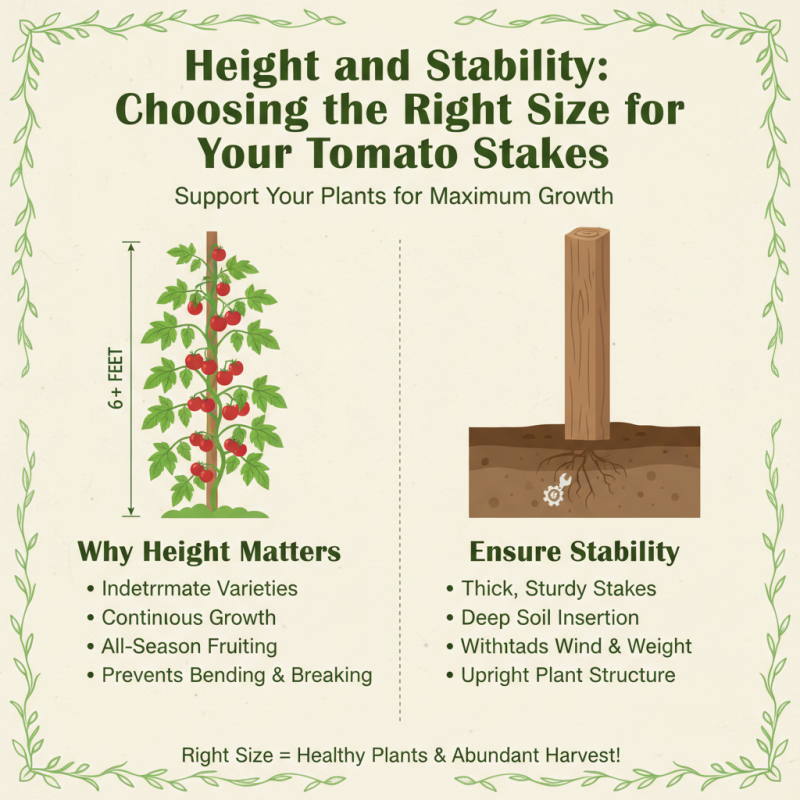
When it comes to staking tomato plants, height and stability play crucial roles. Choosing the right size for your stakes ensures that plants grow upright. Tall stakes are essential for indeterminate tomato varieties. These plants keep growing and producing fruit throughout the season. A tall stake, at least six feet high, supports their elongated growth and provides ample space for the branches.
Stability is another key factor. A sturdy stake prevents plants from leaning or toppling over, especially in windy conditions. Using wood or metal stakes can enhance durability. Bamboo stakes can bend and break under pressure. The width of the stake is also important; thicker stakes offer more support. Many gardeners overlook the impact of spacing. Placing stakes too close can lead to crowding, which can inhibit air circulation.
Remember, not every garden is the same. Your soil quality and local weather conditions can affect stability. Reflect on your garden layout and adjust accordingly. Trial and error can lead to better choices in the future. Experimenting with different stake heights may yield surprising results in stability and plant health. Keep an open mind and observe how your tomatoes respond. Each season offers a new opportunity to refine your techniques.
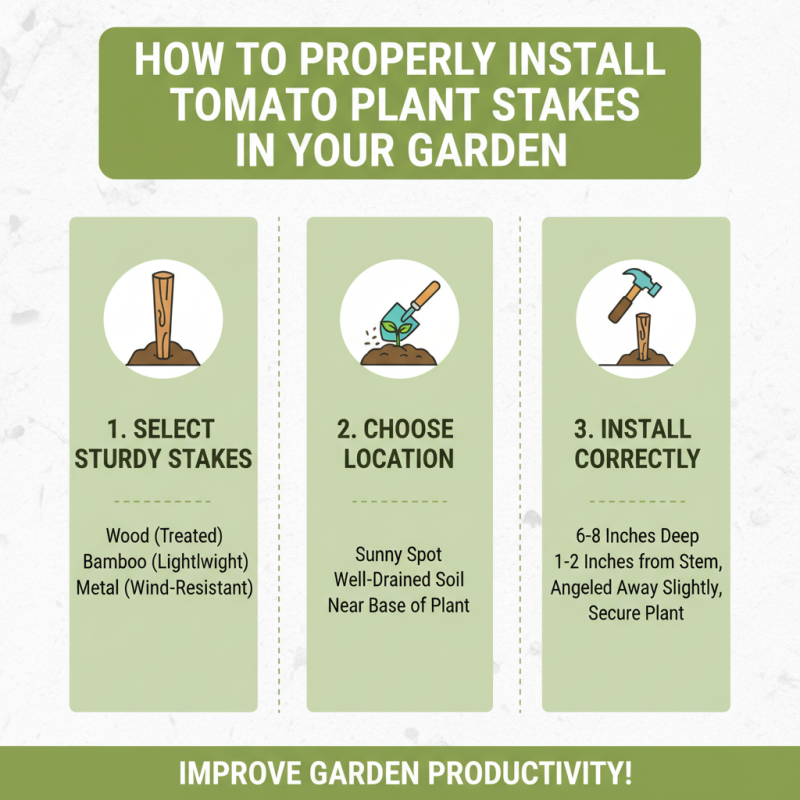
How to Properly Install Tomato Plant Stakes in Your Garden
Installing tomato plant stakes correctly can significantly improve your garden’s productivity. Begin by selecting the right stakes. Opt for sturdy materials like wood, bamboo, or metal. Each type has its pros and cons. Wooden stakes need to be treated to prevent decay. Bamboo is lightweight and eco-friendly, while metal can withstand strong winds.
When you're ready to install the stakes, place them in the ground about 6 to 8 inches from the base of each tomato plant. This distance helps minimize damage to the roots. Push the stakes deep into the soil, ensuring they are secure. If they wobble, they may not provide adequate support. Tying the plants to the stakes should be done with soft materials, like twine. Tight ties can injure the stems, so check them regularly.
Reassessing your installation every few weeks is important. As tomato plants grow, the stakes may need adjustments. Over time, you might notice some plants leaning. This indicates a need for more support. Adjusting the ties and stakes can enhance growth and yield. Always be prepared to learn and adapt your staking strategy based on your gardening experience.
Maintenance Tips for Keeping Tomato Stakes Effective Throughout the Season
Maintaining tomato stakes effectively is crucial for a thriving garden. A recent report by the American Society for Horticultural Science highlights that improperly supported plants can suffer reduced yields by up to 30%. Regular monitoring and adjustments ensure plants gain the necessary sunlight and airflow.
Check stakes weekly during the growing season. If you notice bowing or leaning, reinforce them promptly. Remember, stakes should be at least 1.5 times the height of the plants to provide adequate support. Use soft ties or plant clips every 12 to 18 inches to avoid damaging stems.
Rotting wood stakes can harbor diseases. Replace them if they show signs of decay. Steel or fiberglass options are more durable but require regular checks for rust or fractures. The right maintenance can extend the life of your stakes and improve your tomato plants' health and productivity throughout the season.
Tomato Plant Stakes Effectiveness Comparison
This chart displays the effectiveness ratings of different types of tomato plant stakes based on their stability and support. Wooden and metal stakes are rated the highest, making them ideal for robust tomato plants, while plastic stakes offer less support.