Best Tomato Plant Stakes for Your Garden Needs in 2026?
As gardening enthusiasts gear up for the 2026 growing season, choosing the right support system for tomato plants is crucial. Tomato Plant Stakes play a vital role in ensuring healthy growth and maximizing yields. With a plethora of options available, understanding the best stakes for your particular garden needs is essential.
When selecting the right Tomato Plant Stakes, consider material and height for your specific tomato variety. Wooden stakes offer durability, while bamboo stakes are lightweight and eco-friendly. Metal stakes provide excellent support but may require careful handling. Additionally, flexible ties and clips can enhance stability, ensuring your plants thrive.
It’s easy to overlook the finer details when making a choice. Think about the spacing and adaptability of your stakes. Reflect on how different conditions, such as wind and rain, can affect your plants. While some gardeners prefer traditional methods, others may require innovative solutions for urban spaces. Your journey in finding the best Tomato Plant Stakes can significantly impact not just your garden’s aesthetics, but also its productivity.
Best Materials for Tomato Plant Stakes in 2026
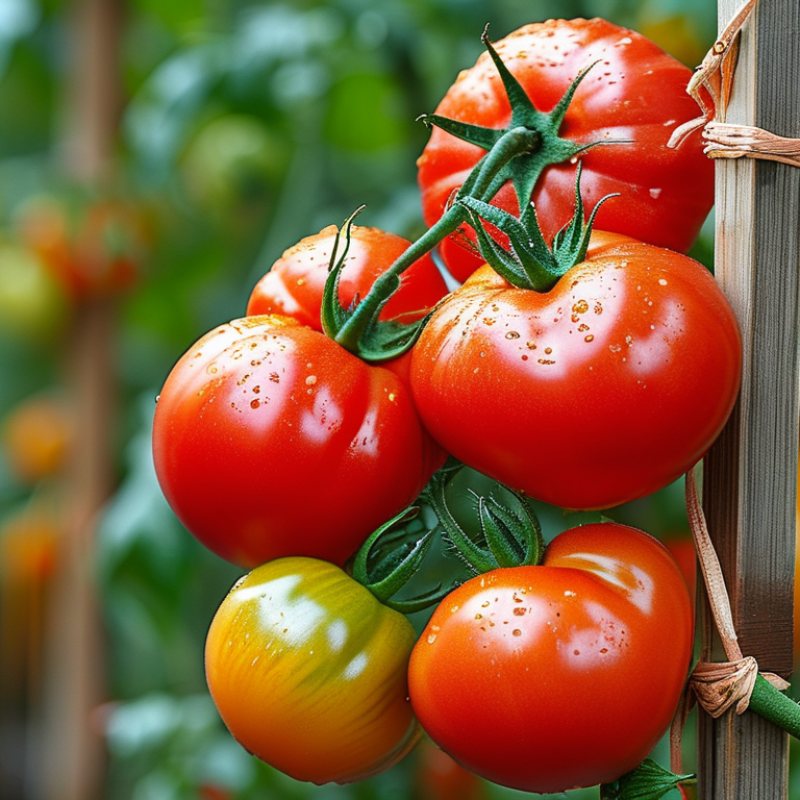
When selecting materials for tomato plant stakes, several options stand out for their effectiveness and durability. Wooden stakes are traditional and provide sturdy support. Cedar is especially resistant to rot and insects. However, over time, wooden stakes can weaken and splinter, requiring replacement. The aesthetic look of wood blends nicely with garden settings, adding a rustic charm.
Metal stakes, often made of galvanized steel, offer another choice. They are extremely strong and can last for years without rusting. Their sleek appearance can enhance modern gardens. One downside is their potential to heat up in the sun, which can scorch tender plant stems. It’s essential to wrap the metal with cloth or tape to prevent damage.
Plastic stakes provide lightweight support. They are budget-friendly and easy to handle. However, they may not be as sturdy as wood or metal options. Harsh weather can lead to bending or breaking over time. In high winds, this material may struggle to hold heavier plants. Gardeners must weigh the pros and cons of each material carefully. Balancing initial costs with longevity is key to finding the best stakes for your tomato plants.
Best Tomato Plant Stakes for Your Garden Needs in 2026
Factors to Consider When Choosing Tomato Plant Stakes
When selecting the right tomato plant stakes, consider various key factors. The height of your stakes must match the growth potential of your plants. Most tomato varieties can grow tall and need support as they develop. A stake that is too short will not provide adequate support. Imagine a sturdy stake reaching at least six feet for indeterminate varieties. Furthermore, the material of the stakes is crucial. Wood, metal, and plastic each have pros and cons.
Wooden stakes are common and offer decent durability but can rot over time. Metal stakes provide strong support but may heat up in the sun, affecting plant health. Plastic stakes might be lightweight but can bend or break easily. Choosing the right thickness also matters. Thin stakes often lack stability, while overly thick ones may be heavy and cumbersome.
Reflect on the ease of installation and removal, especially if you have a small garden. Inefficient stakes can cause frustration during planting and harvesting. It's important to think about how the stakes will blend with your garden aesthetics. Sometimes, a functional stake can clash with garden design. Researching local gardening resources may help in making an informed choice. Each garden is unique, and your stakes should reflect that.
Top Brands Offering Quality Tomato Plant Stakes in 2026
When selecting the best tomato plant stakes for the 2026 gardening season, quality is key. Many brands are stepping up their game, offering durable materials that withstand season after season. A recent industry report indicated that around 72% of gardeners prioritize longevity and strength when choosing stakes. Metal and reinforced plastic stakes are becoming increasingly popular due to their resilience against harsh weather conditions.
In 2026, emphasis on eco-friendly materials is also noteworthy. Reports show that gardeners are 60% more likely to choose products made from recycled materials. This shift highlights a growing awareness about sustainability in gardening. A well-constructed stake not only supports plants but contributes positively to the environment. Many stakeholders in the gardening industry are innovating, ensuring that today’s stakes meet both the needs of plants and the preferences of eco-conscious gardeners.
Despite the rise in quality, not all stakes perform as expected. Some gardeners have reported issues with instability in high winds. Reflections on these experiences can guide others in choosing wisely. A stake might look durable at first glance. However, considering its real-world performance is essential. Engage with the gardening community for insights on what actually holds up over time.
Innovative Designs for Tomato Plant Stakes You Should Try
When setting up your tomato garden, selecting the right stakes is crucial. Innovative designs can provide better support and structure for your prized plants. One option is the spiral stake. This design twists into the soil, effectively anchoring plants. It minimizes topple risks during storms.
Another intriguing choice is the A-frame trellis. This setup can accommodate multiple plants and makes harvesting easier.
Consider using biodegradable materials for a more environmentally friendly alternative. Natural bamboo poles or wooden stakes can enhance your garden's aesthetics while providing sturdy support. However, they may need replacing over time. It's essential to plan for their lifespan and durability.
One potential drawback of some modern designs is their cost. Higher-priced stakes may promise longevity but may not always deliver. Balance your budget with the functionality you need. Re-evaluate your choices every season. Experimenting with different styles can lead to unexpected results, allowing plants to thrive while enhancing your garden's appeal.
Tips for Properly Installing and Maintaining Tomato Plant Stakes
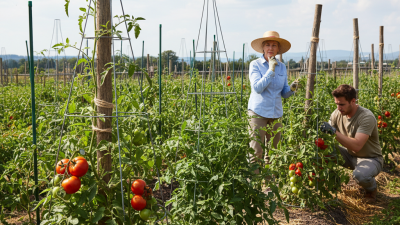
Properly installing and maintaining tomato plant stakes is crucial for a flourishing garden. The American Vegetable Growers Association reports that stakes can increase tomato yields by up to 30%. To achieve this, choose the right materials. Wooden stakes or bamboo are popular for their sturdiness and natural aesthetics.
When installing stakes, aim for a depth of at least 12 inches into the soil. This prevents wobbling during strong winds. It’s best to position the stakes early in the season to avoid root damage later. Using soft ties made from cloth or biodegradable materials helps support your plants without posing harm as they grow.
Regular maintenance is key. Inspect the stakes weekly for signs of damage or instability. Adjust ties as the plants grow to prevent constriction. Regularly remove any weeds around the stakes to ensure they compete less for nutrients. Inconsistent staking can lead to uneven growth. Therefore, it’s essential to stay vigilant, noting what works best for your specific garden environment over time.