Best Tomato Plant Stakes Tips for Healthy Growth and Support?
Growing healthy tomatoes requires proper support, and Tomato Plant Stakes play a crucial role in this process. Research shows that over 25% of tomato growers report issues related to stake selection and installation. Using the right stakes can significantly enhance plant health and yield. For instance, studies indicate that staked tomatoes can produce up to 30% more fruit than those left unsupported.
Tomato Plant Stakes should be chosen based on various factors such as plant variety, growth habit, and regional climate. The American Society for Horticultural Science emphasizes the importance of sturdy materials, like bamboo or metal, for maximum durability. Reports also suggest that many gardeners overlook the necessity of proper stake height, which can lead to crowding and poor air circulation. This can cause diseases that inhibit growth.
Reflecting on stake placement, one must consider the surrounding environment. Too much shade from nearby plants can hinder tomato growth, despite proper support. Learning from these nuances can aid both novice and experienced gardeners. By paying attention to these details, we can enhance the growing experience and ensure a fruitful harvest.
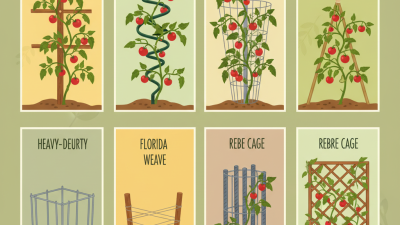
Best Tomato Plant Stakes: Types and Materials for Optimal Support
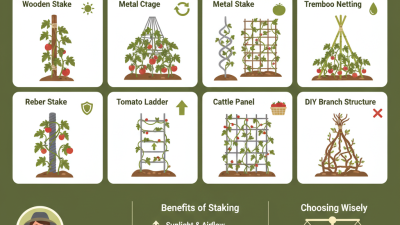
Choosing the right support for tomato plants is crucial for their growth. Various materials and types of stakes can make a significant difference. Wood, metal, and plastic are popular choices.
Wooden stakes offer sturdiness and blend well with gardens. Metal stakes, on the other hand, provide durability and can withstand harsh weather. Plastic stakes are lightweight and easy to handle, yet may not offer the same level of support.
To ensure healthy growth, proper installation is key. Insert stakes early when plants are young. This prevents root disturbance later. Use ties that are gentle on the plant stems to avoid damage. Regularly check the supports as the plants grow.
Consider the height of the stakes too. Taller plants may require larger supports. Pay attention to the variety of tomatoes you are planting. Determinate varieties might need less support than indeterminate ones. Always be open to adjusting your methods based on observations. Adapting your approach can lead to healthier, more resilient plants.
Importance of Proper Tomato Plant Support for Healthy Growth
Proper support for tomato plants is crucial for their growth and health. According to the National Gardening Association, tomatoes are one of the most popular home garden crops. However, without adequate support, the weight of the fruit can lead to broken stems and poor fruit quality. Staking or cage methods are commonly recommended to provide necessary support.
Research indicates that tomato plants can grow more vigorously when properly staked. A study from the University of Florida showed that staked plants had a 25% higher yield compared to those left unsupported. This improvement in yield can be attributed to better air circulation and light exposure, which helps in reducing diseases such as blight. When the plants are upright, they also experience less pest damage.
Many gardeners overlook the importance of selecting the right materials for stakes. Bamboo, wooden stakes, or metal can all be effective, but each has pros and cons. Metal stakes, while durable, can heat up, potentially damaging plants in extreme conditions. Reflecting on these choices can make a significant difference in plant health. It is essential to observe and adjust as needed throughout the growing season.
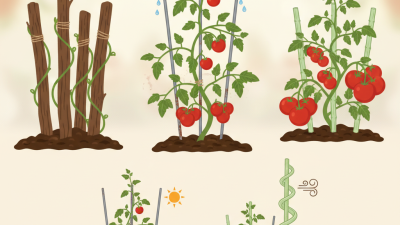
Tomato Plant Growth and Support Needs
Step-by-Step Guide to Installing Tomato Stakes Effectively
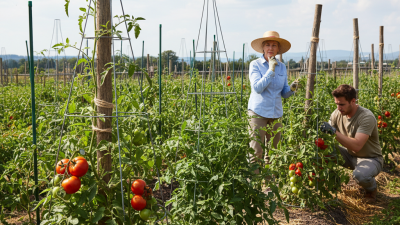
Installing tomato stakes effectively is crucial for a thriving garden. Begin by selecting sturdy stakes, ideally 6 to 8 feet tall. A good height supports healthy tomato growth. Keep in mind that stakes need to withstand the weight of mature plants and the wind's force.
Next, choose the right time for installation. Plant your tomatoes first, then add stakes early in the season. This approach minimizes root disturbance. Push stakes into the ground about 10 to 12 inches deep, ensuring they are steady. It’s a common mistake to place stakes too shallow, leading to poor support later.
Once your stakes are in place, use soft ties to gently secure the plants. Relying on string or wire can cause damage. Check your ties regularly, adjusting as needed. It's easy to overlook this, but it’s essential for protecting fragile stems. Reflect on your techniques yearly to enhance growth and support in the future.
Best Tomato Plant Stakes Tips for Healthy Growth and Support
| Stake Type |
Material |
Height (inches) |
Support Level |
Installation Tips |
| Single Stake |
Wood |
48 |
Low to Medium |
Drive into the soil before planting the tomato. |
| Cages |
Wire |
36 |
High |
Set up around the plant when it's young to guide growth. |
| Trellis |
Metal |
60 |
Very High |
Install in advance and secure plants with garden ties. |
| Bamboo Stakes |
Bamboo |
72 |
Medium to High |
Insert at a 45-degree angle and tie securely. |
Recommended Height and Spacing for Tomato Stakes Based on Variety
When choosing tomato stakes, the height and spacing depend on the variety of tomatoes you’re growing. Indeterminate varieties, like 'Brandywine', can reach heights of 6 to 8 feet. These plants require sturdy stakes about 6-7 feet tall. Staking them close to the plant supports their sprawling growth. Optimal spacing for these stakes is about 2 feet apart to allow sufficient airflow.
Determinate varieties, on the other hand, grow to a more compact height—generally 3 to 4 feet. For these varieties, 4-5 foot stakes are appropriate. Place the stakes 18 inches apart to give room for the plants to develop. Regularly check the ties used to support the plants. Ties made from soft materials are ideal, as they won't damage the stems.
Monitoring the plants throughout the growing season is crucial. You may need to adjust the support as the plants grow. It’s not uncommon to encounter issues like inadequate support or plants growing in an unstable manner. Take note of these challenges. Learning from these experiences will help improve your staking technique for next time.
Maintenance Tips for Tomato Stakes to Ensure Longevity and Stability
When it comes to supporting tomato plants, proper maintenance of stakes is essential for ensuring longevity and stability. Studies have shown that well-maintained stakes can significantly improve plant health and yield. A report by the Agricultural Research Service indicates that tomatoes supported by sturdy stakes can yield up to 30% more fruit compared to those without support.
Regular inspections of your stakes are crucial. Check for signs of damage, rot, or corrosion. Wooden stakes may need replacement every few years depending on weather conditions. Metal stakes are more durable but should be checked for rust at least once a season. If a stake becomes weakened, it can compromise the entire plant.
Tips: Use a weather-resistant sealant on wooden stakes for increased durability. Make sure the stakes are securely driven into the ground to withstand strong winds. Additionally, adjust ties as the plants grow to avoid restricting their movement which can lead to broken stems. By following these simple maintenance steps, your tomato stakes can provide reliable support throughout the growing season.