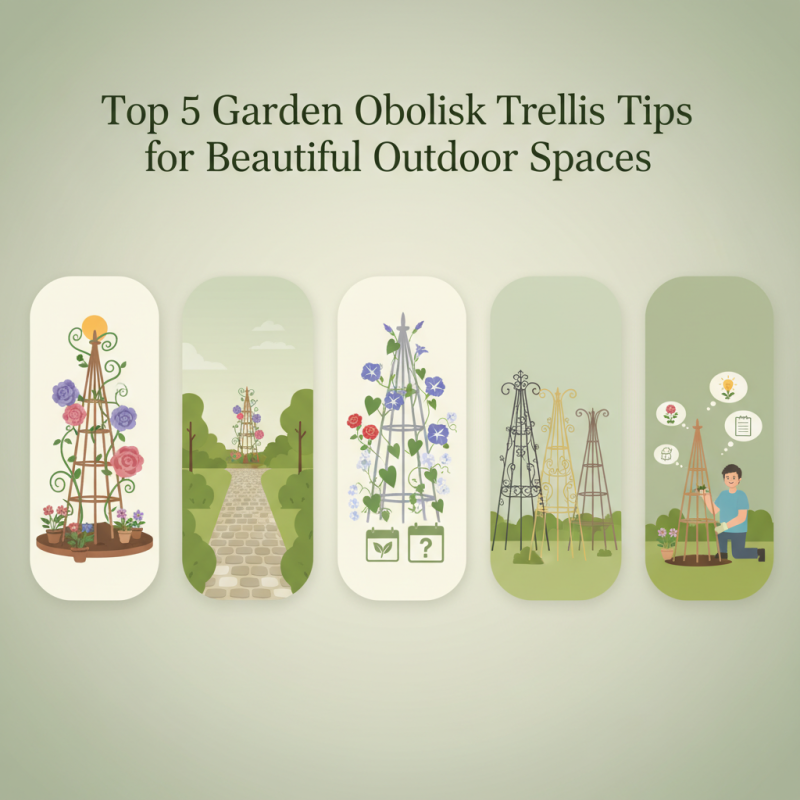
Top 5 Garden Obelisk Trellis Tips for Stunning Outdoor Spaces?
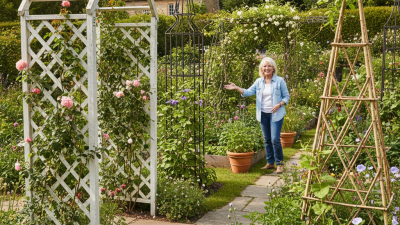
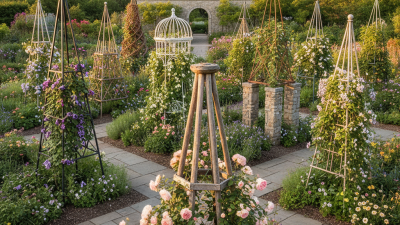
Creating a stunning outdoor space often involves thoughtful design choices. One key element that can elevate your garden is a Garden Obelisk Trellis. These structures not only add height but also create a dramatic focal point in your landscape. Whether you’re a beginner or an experienced gardener, understanding how to effectively use a garden obelisk can transform your yard into a vibrant sanctuary.
Incorporating a Garden Obelisk Trellis allows for vertical growth, enhancing your garden's aesthetics. Climbing plants can flourish on these frameworks, offering lush greenery and blossoms. Consider experimenting with various plant types to see what works best in your space. Each season can bring new surprises, even challenging your original design intentions.
Reflect on the placement and material of your obelisk. A well-placed trellis can draw the eye and guide visitors through your garden. Yet, choosing the wrong style can clash with your overall theme. With these tips, you can create an outdoor environment that is both functional and visually appealing while embracing the journey of trial and error in your gardening efforts.
Choosing the Right Material for Your Garden Obelisk Trellis
Choosing the right material for your garden obelisk trellis is crucial. Each material comes with unique benefits and challenges. Wood offers a classic, natural look. It can blend seamlessly with plants. However, untreated wood may rot over time. You might need to replace it sooner than expected. Pressure-treated wood is an option, but it may not appeal to everyone.
Metal obelisks are sturdy and durable. They can withstand harsh weather conditions. Stainless steel or wrought iron adds elegance to your garden. However, they may rust if not properly coated. This maintenance aspect is something to consider. PVC or resin obelisks are lightweight and easy to move. They resist rot and rust. But they may not provide the same aesthetic as natural materials.
Selecting the best material depends on your garden’s style and the climate. Consider how much time you can invest in maintenance. Make a choice that complements your plants and design. It’s not just about looks; durability matters too. If you choose poorly, you might end up disappointed. Take your time and weigh your options carefully.
Selecting the Perfect Location for Maximum Aesthetic Appeal
Choosing the right spot for your garden obelisk trellis can elevate your outdoor space. Look for an area that gets ample sunlight throughout the day. Sunlight is vital for climbing plants. Flowering vines thrive under bright conditions. Observe how sunlight moves across your garden.
Consider your garden's overall design. A trellis should enhance, not clutter. Think about sight lines from your home. Ensure it creates visual interest from different angles. Placing it near a focal point, like a seating area, can draw attention. It invites people to explore.
While it’s tempting to place it anywhere, reflect on growth patterns. Vines can grow tall, needing room to spread. Avoid cramped spaces. You may need to adjust your initial location. Ideally, the trellis should harmonize with other plants. This balance boosts aesthetics significantly, providing a stunning garden view.
Top 5 Garden Obelisk Trellis Tips for Stunning Outdoor Spaces
Designing Your Obelisk: Shapes, Sizes, and Style Considerations
When designing an obelisk, shapes, sizes, and styles are crucial. Consider the
height. A taller obelisk can draw the eye upwards. It can create a
dramatic focal point in your garden. Meanwhile, shorter designs may blend seamlessly into a
flower bed or patio setting. The shape also matters. Tall and narrow obelisks work well for climbing plants,
while wider ones can provide a more stable structure.
Material choice impacts aesthetics too.
Wood offers a rustic feel.
Metal can bring a modern touch. Ensure the material suits your garden's overall theme.
Color also plays a significant role. Neutral tones can complement greenery, while
bold colors can add a striking contrast.
Reflect on practicality as well. Obelisks require care and maintenance. Will you have time to prune climbing plants?
Will the structure withstand weather conditions? Each choice you make should enhance your outdoor space's beauty while fitting your lifestyle.
By considering these factors, you can create an inviting and
stunning garden.
Optimal Plant Choices for Climbing Vines on Obelisks
When selecting climbing vines for your obelisk trellis, consider vibrant and robust species. Sweet peas bring a delightful scent and colorful blooms. Their vivid petals climb effortlessly, creating layers of visual intrigue. Make sure to plant them in rich soil to maximize growth.
Another excellent choice is clematis. This vine offers a range of colors, from deep purples to soft whites. Clematis thrives in well-drained soil and requires some sun. Position the obelisk in a spot that receives at least six hours of sunlight. This way, your clematis can flourish and create striking vertical gardens.
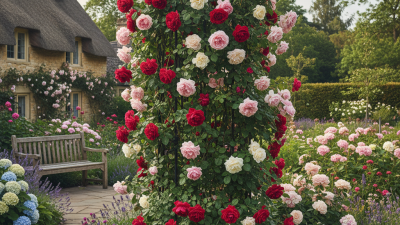
Don’t overlook other options like climbing roses or passionflower. While roses add romance, passionflower provides exotic flair. Each plant has unique needs. A little imperfection in your garden design can lead to unexpected beauty. Regularly assess your plants, adjusting their care as necessary for optimal growth.
Top 5 Garden Obelisk Trellis Tips for Stunning Outdoor Spaces
| Plant Type |
Sun Requirements |
Height at Maturity |
Bloom Season |
Growth Habit |
| Clematis |
Full Sun to Partial Shade |
6-12 feet |
Spring to Fall |
Climbing |
| Honeysuckle |
Full Sun |
10-20 feet |
Summer |
Vining |
| Peas |
Full Sun |
3-6 feet |
Spring |
Climbing |
| Morning Glory |
Full Sun |
6-10 feet |
Summer to Fall |
Climbing |
| Black-eyed Susan Vine |
Full Sun |
5-10 feet |
Summer |
Vining |
Maintenance Tips for Longevity and Aesthetic Enhancement
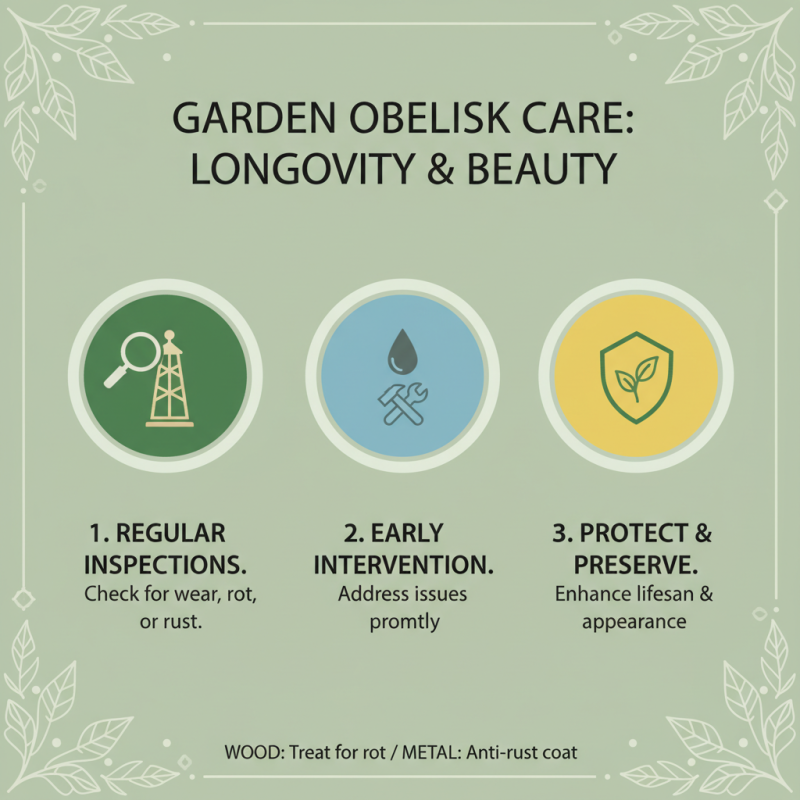
Garden obelisks can elevate your outdoor space significantly. However, maintaining their beauty and function requires some effort. Regular inspections are crucial. Check for any wear caused by the elements. Wood can rot or warp, while metal may rust over time. Addressing issues early can prevent bigger problems later.
Consider applying a protective finish to wooden trellises. This can enhance longevity and aesthetics. Ensure that the finish is suitable for outdoor use. For metal obelisks, a coat of rust-resistant paint can make a difference. Clean them periodically to remove dirt and debris. A simple wash with mild soap can restore their shine.
Plants growing on your obelisk also need care. Regular pruning will keep them healthy and promote better growth. However, don’t hesitate to step back and evaluate your choice of plants often. Not every plant thrives or looks great on an obelisk. Adjusting your selection can enhance the visual appeal significantly. Remember, a little bit of reflection on your garden choices helps in creating a stunning outdoor space.