Best Yard Trellis Options for Your Garden Design Needs?
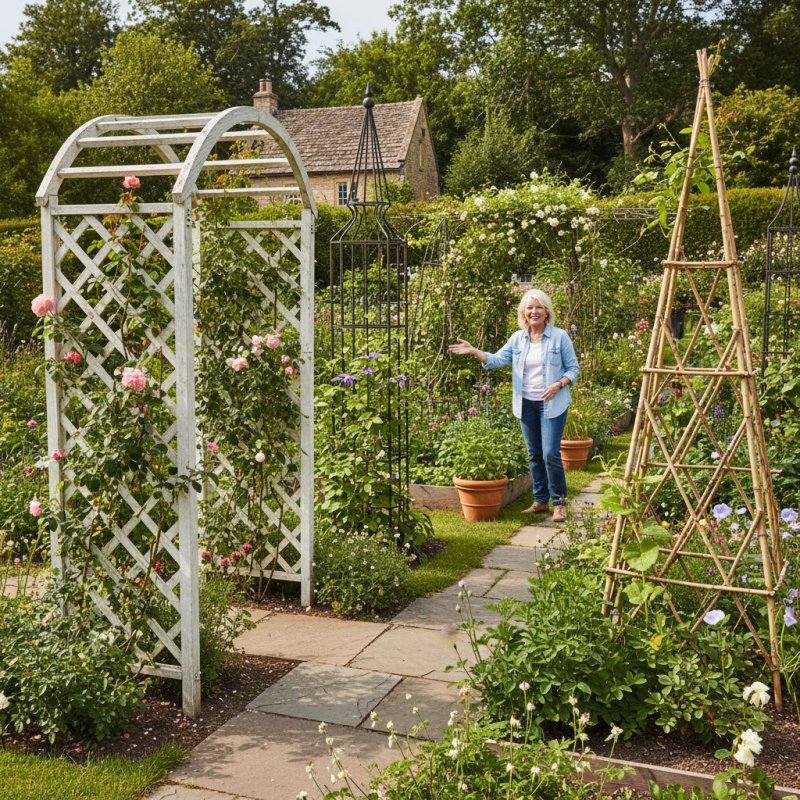
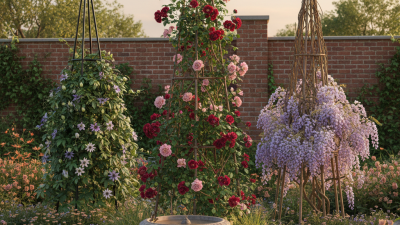
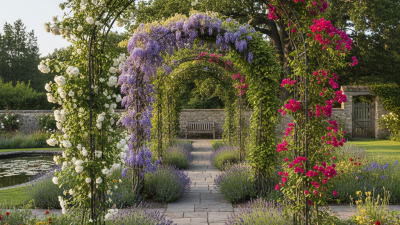
When considering the best yard trellis options, it is essential to understand both their functionality and aesthetic appeal. Gardening expert Martha Stewart emphasizes, “A trellis can transform a simple garden into a beautiful landscape.” The right yard trellis not only supports climbing plants but also enhances your outdoor space.
Choosing a yard trellis involves assessing various styles and materials. Wooden trellises offer a classic look, while metal options can be more contemporary. Consider your garden’s design when making a choice. A well-placed trellis can guide the eye and add depth to your yard.
However, it’s important to reflect on maintenance needs. Wooden trellises may require regular sealing, while metal ones can rust over time. A trellis should complement your garden but also stand the test of time. Take time to weigh your options and invest in a trellis that suits your garden's unique needs.
Best Materials for Yard Trellises: Wood, Metal, and Vinyl Comparisons
When selecting the best materials for yard trellises, three main choices stand out: wood, metal, and vinyl. Each material has its unique benefits and drawbacks, influencing your garden's aesthetic and long-term durability.
Wood trellises are often favored for their natural look and versatility. They can blend seamlessly with any garden design. However, they require regular maintenance to prevent rot and insect damage. An untreated wooden trellis can deteriorate quickly, making it less reliable for long-term use.
Metal trellises, on the other hand, provide strength and longevity. They resist weather elements better than wood. Yet, metal can be prone to rust over time. Choosing a quality finish can mitigate this issue, but it may not match the warmth of wood.
Vinyl is another option that offers durability without the need for frequent upkeep. It’s lightweight and resistant to fading. However, some may find it lacks the charm seen in natural materials. Each choice holds potential, but also areas for reflection on what fits best in your garden.
Benefits of Using Trellises for Vertical Gardening in Limited Spaces
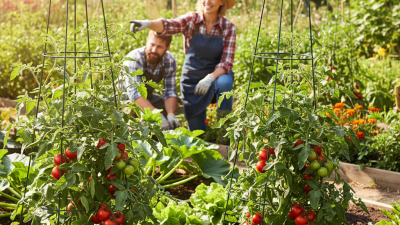
Vertical gardening is increasingly popular, especially in limited spaces. Using trellises can help maximize your garden's potential. They allow plants to climb, freeing up ground space for other plants. This technique also improves air circulation, leading to healthier plants. With creative design, trellises can enhance your garden's aesthetics.
Trellises come in various materials and designs. Wooden options provide a rustic look, while metal designs add elegance. Consider your garden's overall theme when choosing. Make sure your trellis can support the weight of climbing plants. It’s essential to prioritize robustness, especially for heavier vines.
**Tips for Enhancing Your Vertical Garden**:
- Position trellises to catch sunlight.
- Use fast-growing plants for quick coverage.
- Mix textures and colors to create visual interest.
Experimentation is key. Some plants may not thrive as expected. You might face challenges in growth or structure. Learning from these experiences will improve your skills over time. Embrace the journey of vertical gardening.
Best Yard Trellis Options for Your Garden Design Needs
| Trellis Type |
Material |
Height (ft) |
Width (ft) |
Best Plants |
Benefits |
| Classic Wooden Trellis |
Wood |
6 |
3 |
Climbing Roses, Beans |
Aesthetic appeal, supports vines |
| Metal Lattice Trellis |
Metal |
5 |
2 |
Cucumbers, Peas |
Durable, weather-resistant |
| Vinyl Trellis |
Vinyl |
7 |
4 |
Hops, Morning Glory |
Low maintenance, long-lasting |
| Expandable Trellis |
Wood / Metal |
4-8 |
2 |
Grapes, Snap Peas |
Versatile size, space-saving |
| Arched Trellis |
Wood / Wrought Iron |
6 |
3 |
Climbing Vines, Blackberries |
Decorative feature, provides shade |
Top Plant Choices for Trellises: Vines and Climbing Plants Analysis
When designing a garden, selecting the right plants for trellises is crucial. Vines and climbing plants can transform an ordinary yard into a lush paradise. According to a report by the National Gardening Association, over 60% of homeowners incorporate vertical gardening solutions. This trend highlights the demand for effective plant choices.
Clematis, wisteria, and honeysuckle are popular choices for trellises. These plants not only climb but also provide stunning blooms. The data shows that clematis can grow up to 20 feet tall, offering significant coverage. However, it's essential to consider their growth needs. Some may require more sunlight than others, making location key.
Another option is the perennial grapevine. It offers both beauty and functionality, bearing fruit in the growing season. Yet, maintaining healthy vines can be challenging. They need regular pruning and monitoring for pests. Gardeners must assess their commitment to care. Using native climbing plants can reduce this effort while supporting local wildlife. The right plant selection ultimately enriches garden aesthetics and functionality.
Maintenance Tips for Prolonging the Life of Your Garden Trellis
A well-maintained trellis can enhance your garden's beauty. To prolong the life of your garden trellis, regular care is essential. Start with a thorough inspection. Look for signs of wear, rust, or damage. Addressing issues early can prevent bigger problems later.
Tips for maintaining your trellis include applying protective coatings. Use paint or sealants that are weather-resistant. This helps shield the structure from harsh elements. Regularly clean the trellis to remove dirt and debris. A simple scrub with water and mild soap can do wonders.
Don't forget about the plants themselves. Pruning climbing plants helps reduce strain on the trellis. Sometimes, too many vines can weaken the structure. Give your trellis a little room to breathe. Keeping an eye on plant growth can ensure everything thrives together.
DIY vs. Pre-Made Trellises: Cost and Customization Factors
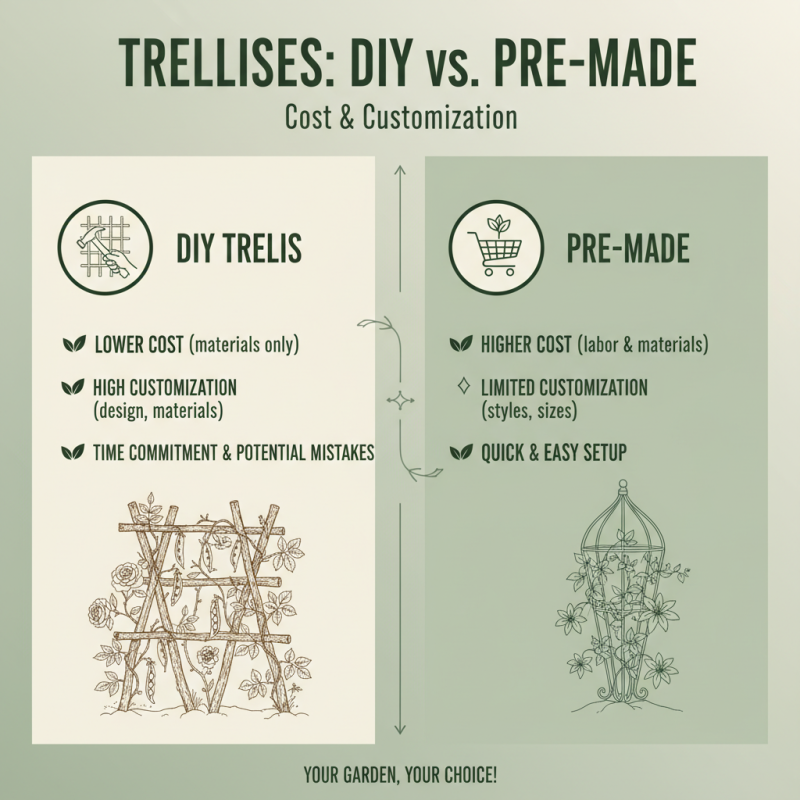
When considering your garden design, the choice between DIY and pre-made trellises can significantly impact both cost and customization. DIY trellises can be a fulfilling project. You can choose the materials and design that truly reflect your style. However, keep in mind the time commitment and potential for mistakes. While a custom design can be unique, it may take longer to complete than anticipated.
Pre-made trellises offer convenience. They save time and often come with installation instructions, ensuring a straightforward setup. However, they may lack the versatility of a handmade option. The prices range widely, so budgeting is essential. Examine your garden's needs to find a trellis that fits.
Tips: When selecting materials, consider durability and weather resistance. Wood looks beautiful but requires maintenance. Metal provides strength but can rust without protection. For DIY projects, sketch your design first. It will help you visualize and avoid costly errors. Pre-made options may come with specific plant supports, enhancing functionality. Always measure your garden space before purchasing or building to ensure a perfect fit.