Leave Your Message

Top 10 Garden Obelisk Trellis Designs for Your Garden?

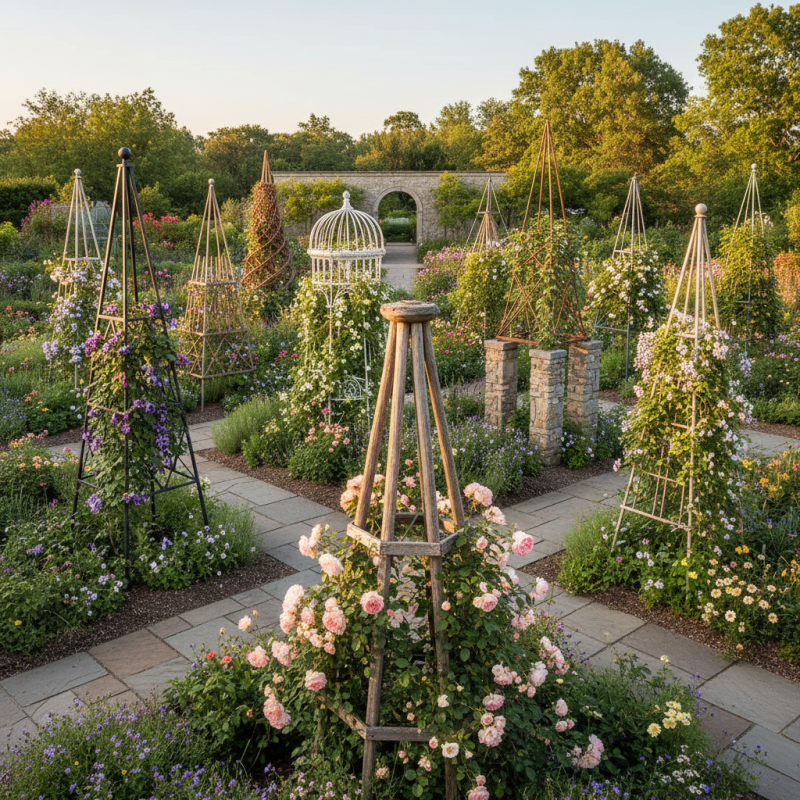
In the world of garden design, the "Garden Obelisk Trellis" stands out as a stunning centerpiece. Renowned landscape architect Emily Schmidt notes, "Obelisks are not just functional; they are art in your garden." This insight highlights the dual purpose these structures serve. They provide support for climbing plants while elevating the aesthetic appeal of any outdoor space.

Selecting the right obelisk can transform an ordinary garden into a vibrant oasis. Each design brings its own character and charm. Whether you prefer rustic wooden structures or modern metal designs, there's something for everyone. The right choice can significantly influence your garden's ambiance.

However, garden enthusiasts may face challenges. Not every garden suits every style. It often takes experimentation to find the perfect fit. Reflecting on your unique space is essential. The ideal "Garden Obelisk Trellis" should enhance your garden while representing your personal taste. With careful thought, you can create a breathtaking display that truly stands out.
Top 10 Garden Obelisk Trellis Designs for Your Garden?

Popular Materials for Garden Obelisks: Wood, Metal, and More

Top 10 Garden Obelisk Trellis Designs for Your Garden?

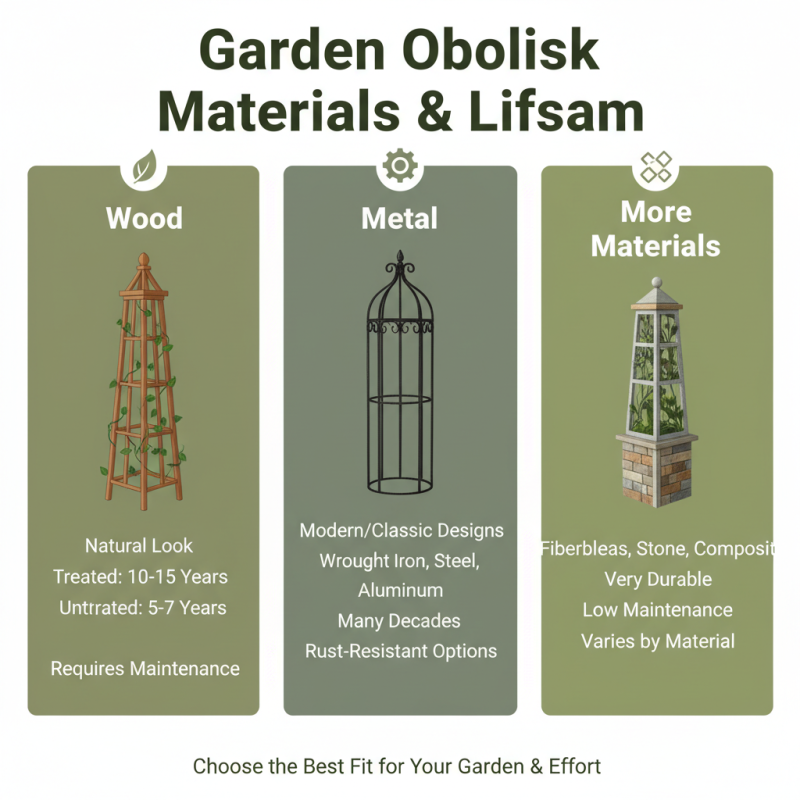
Garden obelisks are a striking addition to any outdoor space. Made from various materials, their durability can vary significantly. Wood, for instance, offers a natural aesthetic but may require more maintenance over time. In fact, treated wood can last 10-15 years, while untreated options might only last 5-7 years in outdoor conditions.

Metal obelisks, such as those made from wrought iron, provide excellent longevity and strength. Many industry reports suggest that metal structures can last 20 years or more with minimal upkeep. Aluminum obelisks are also gaining popularity. They are lightweight and resistant to rust, making them ideal for gardeners seeking low-maintenance options.

When choosing materials, consider the climate of your area. High humidity can accelerate wood decay. Meanwhile, sunny areas may cause metal to heat up, potentially damaging your plants. Additionally, think about the overall design of your garden. An obelisk should blend harmoniously with existing plants and structures.

Tips for maintenance are simple. Regularly check for signs of wear, especially in wooden structures. Apply protective coatings to prolong their life. For metal obelisks, clean them periodically to avoid rust buildup. Remember to assess the stability after severe weather events, which can affect even the sturdiest design.
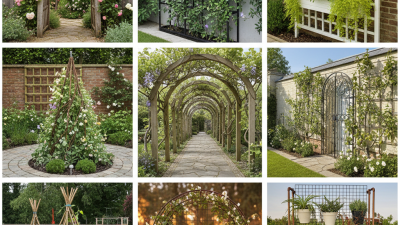
Design Styles: Classic, Contemporary, and Rustic Obelisk Trellises

When choosing an obelisk trellis for your garden, style matters greatly. Classic obelisks often feature intricate designs and traditional materials like wrought iron or wood. These pieces can evoke a sense of history and timelessness. However, they may require more maintenance over time. A report from the National Gardening Association indicates that 78% of gardeners appreciate durable and low-maintenance structures. This speaks to the need for designs that not only look good but also withstand the elements.

On the other hand, contemporary styles focus on sleek lines and modern materials. These obelisks can be made from metal or PVC. They often blend well with minimalist gardens, appealing to homeowners seeking an up-to-date aesthetic. A survey revealed that 63% of homeowners prefer modern trellises that complement their contemporary landscaping. This denotes a shift in preferences as gardens evolve with new design trends. Rustic trellises offer yet another alternative, made from reclaimed wood or natural materials. These designs might seem charming, but they often come with natural flaws. Gardeners must consider these imperfections, as they can affect longevity and stability.

Ultimately, picking the right trellis style requires reflection on your garden's needs and your maintenance capabilities. Balancing aesthetic appeal with practicality is essential.

Top 10 Garden Obelisk Trellis Designs for Your Garden

Design Style Material Height (ft) Width (in) Purpose
Classic Wood 6 12 Climbing plants support
Contemporary Metal 7 10 Decorative structure
Rustic Bamboo 5 8 Natural aesthetics
Traditional Wrought Iron 8 14 Garden focal point
Modern Aluminum 6.5 12 Vertical garden
Art Deco Steel 7 9 Stylish support
Vintage Reclaimed Wood 5.5 11 Warming up garden space
Mediterranean Terracotta 6 10 Plant elevation
Rustic Chic Cedar 7.5 13 Flower display
Fantasy Fiberglass 8 15 Whimsical element

Choosing the Right Size and Height for Your Garden Space

Top 10 Garden Obelisk Trellis Designs for Your Garden?

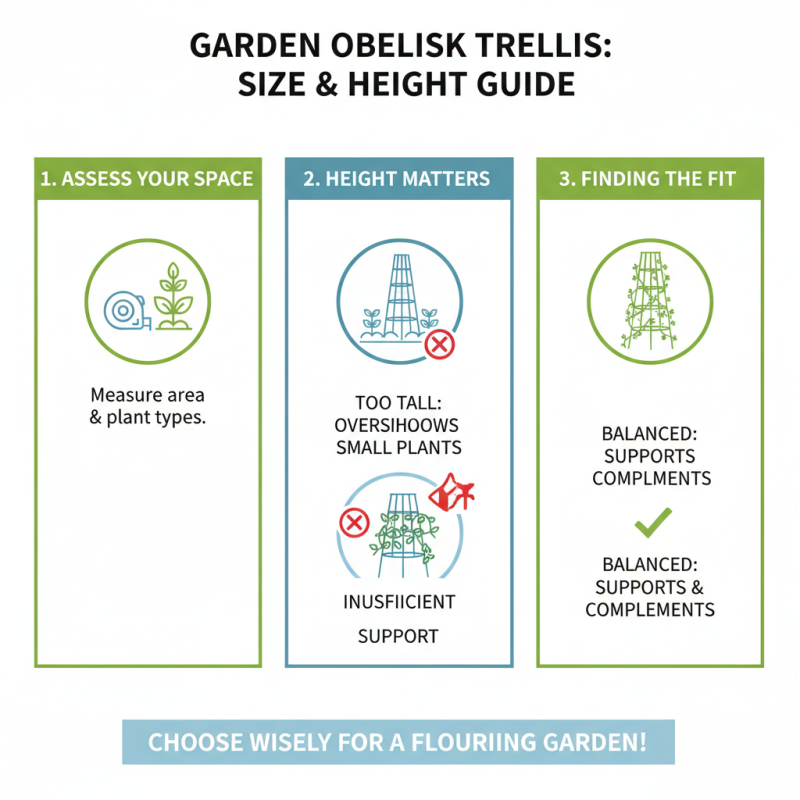
When selecting a garden obelisk trellis, size and height are key considerations. A trellis that’s too tall may overshadow smaller plants. Conversely, a short structure may not provide enough support for climbing vines. Assess your garden space carefully before making a decision.

Consider the plants you want to grow. Some, like sweet peas, need less height. Others, such as pole beans, thrive on taller supports. Aim for a trellis that complements your plants’ growth habits. A trellis should enhance, not overwhelm, its surroundings.

Don't forget about aesthetics. A well-placed obelisk can become a focal point. Ensure it fits harmoniously within your garden's design. Reflecting on these details can lead to a more balanced and visually appealing garden space. Plan well, and your trellis can be both functional and beautiful.

Incorporating Climbing Plants: Best Options for Obelisk Trellises

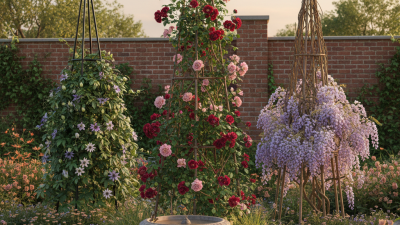
Garden obelisks serve as both functional supports and decorative elements in outdoor spaces. When choosing climbing plants for these structures, it's essential to consider growth habits and visual impact. Vining options like sweet peas and morning glories thrive on trellises, offering beautiful blooms. According to a survey by the National Gardening Association, nearly 30% of gardeners report using vertical gardening techniques to maximize space.

The right plant can elevate your garden's aesthetic. For instance, clematis produces stunning flowers, while jasmine adds a fragrant touch. A report from the American Society of Landscape Architects indicates that incorporating vertical elements, including trellises, can increase the perceived size of a garden. However, not all climbing plants are suited for every obelisk design. Some may require more sunlight or specific soil conditions than the structure can provide.

It's crucial to experiment and make adjustments. You may find that some plants do not flourish as expected. For example, if a vine becomes too dense, it can overshadow the trellis itself. Monitoring plant growth helps ensure that your obelisk remains a focal point rather than an afterthought. By carefully selecting climbing plants, you can create a dynamic and engaging garden feature.

Top 10 Climbing Plants for Garden Obelisk Trellises

DIY Tips for Building Your Own Garden Obelisk Trellis

Building your own garden obelisk trellis can be a fun and rewarding project. Start by choosing your materials. Wood is a common choice, offering durability and style. However, consider using metal or bamboo for a more unique look. Measure your space carefully. An obelisk should be tall enough to support climbing plants but not overwhelm your garden.

Next, create a sturdy base. Secure it in the ground or use concrete for added stability. The frame needs to be strong enough to carry the weight of the plants. Add cross supports at various heights. This will give your garden a beautiful vertical element. It’s also essential to think about the finish. A simple coat of stain can enhance the wood's natural beauty.

As you build, keep in mind that not every design will work perfectly. You might find some angles misaligned or height uneven. Embrace these imperfections; they add character to your trellis. Reflect on the design process. Learn from what didn’t work and adapt for your next project. Enjoy watching your plants climb and transform your garden into a green sanctuary.