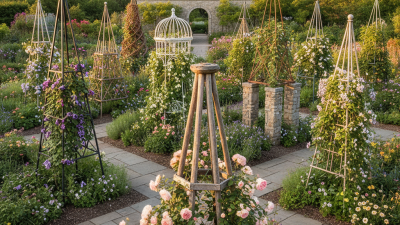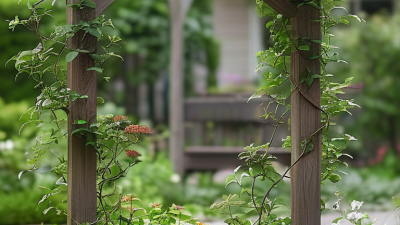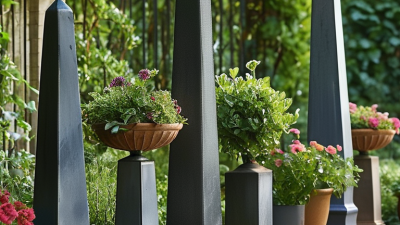
An Obelisk Trellis is more than just a decorative structure; it can transform the look and feel of your garden. Renowned gardening expert, Sarah Thompson, emphasizes this point, stating, "An Obelisk Trellis can create vertical interest and support your plants beautifully." This unique trellis design not only showcases climbing plants but also adds height to garden spaces, enhancing visual appeal.
Picture a blooming garden, where vibrant flowers climb elegantly against an obelisk. This structure not only supports your plants but also provides a striking focal point. Its vertical lines draw the eye upward, making small yards feel more spacious. The right trellis can turn an overlooked corner into a lush retreat.
However, choosing the right materials and placement requires some thought. A poorly placed Obelisk Trellis may overshadow other plants. It's essential to consider your garden’s unique layout and the growth habits of your chosen plants. An Obelisk Trellis can elevate your gardening experience, but careful planning is key to its success.
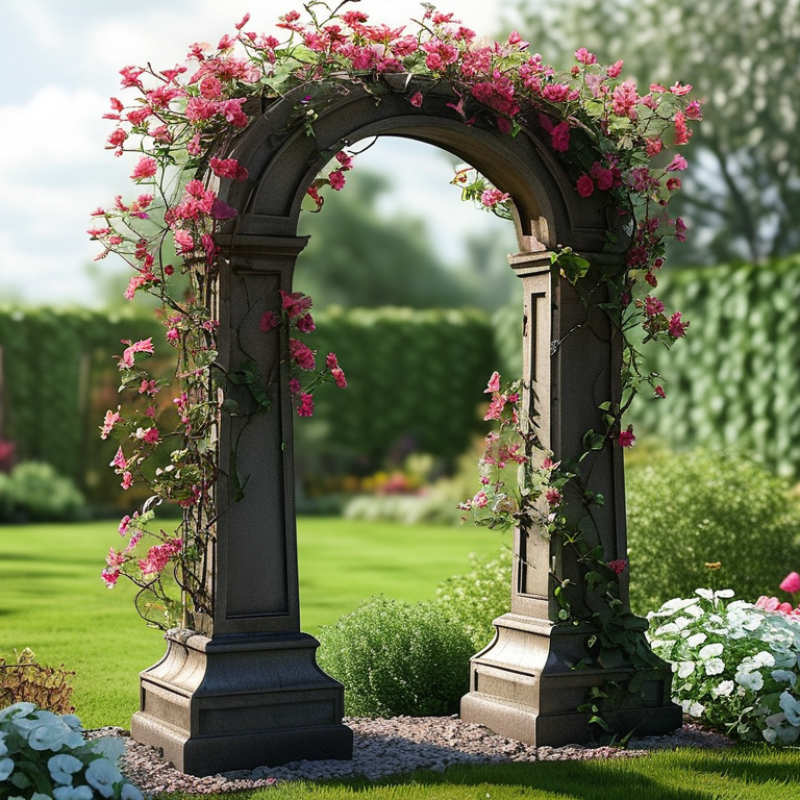
An obelisk trellis is a striking addition to any garden. It provides vertical gardening solutions and enhances overall aesthetics. Typically made of wood, metal, or trellis materials, its pyramid shape allows plants to climb gracefully. This structure not only supports vines but also draws the eye upwards, creating a sense of height and space.
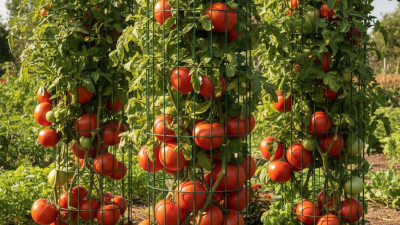
With an obelisk trellis, gardeners can grow a diverse range of plants, from flowering vines to vegetables. Using this structure promotes air circulation around the plants, reducing disease. Consider placing an obelisk near seating areas to attract visual interest and serve as a focal point. While its design may seem simple, selecting the right location is vital for plant growth.
Choosing the right plants for your obelisk can be a trial-and-error process. Not every plant thrives on this type of support. Some may struggle to climb, leaving the trellis underused. Assessing light conditions and plant requirements can help prevent disappointment. Engaging in this learning journey makes gardening rewarding, even with setbacks.
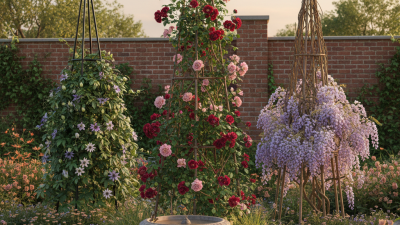
Obelisk trellises are a stunning addition to gardens, providing vertical support for climbing plants. These structures not only enhance the aesthetic appeal but also optimize space. According to a report by the National Gardening Association, vertical gardening can increase yield by up to 25% for certain crops. This means that you can grow more in less area, a crucial factor for urban gardeners.
Key features of obelisk trellises include their sturdy construction and eye-catching design. Typically made from wood or metal, they stand tall and stable. Their unique shape offers multiple levels for plants to climb, creating a dynamic visual effect. Many gardeners appreciate how they can artfully combine function with beauty. However, without proper maintenance, these trellises may become unstable over time. Regular checks for wear and tear are recommended.
Another important aspect is their versatility. Obelisk trellises can support a variety of plants, from fragrant clematis to productive beans. This adaptability allows gardeners to experiment with different species and cultivate unique garden spaces. The educational potential here is significant, as understanding plant growth patterns can lead to greater gardening success.
While there are many benefits, selecting the right location for an obelisk requires careful planning. Poor positioning may limit sunlight or airflow, affecting plant health negatively.
An obelisk trellis is a visually striking addition to any garden. It serves not only as a plant support but also as a focal point. According to the National Gardening Association, vertical gardening can increase yield by up to 30%. This means using an obelisk can greatly enhance your garden's productivity.
These structures are particularly beneficial for growing climbing plants. They allow for better air circulation and light penetration. This can lead to healthier plants and a more vibrant garden. Research shows that plants grown vertically tend to experience less pest damage. Therefore, an obelisk can be a practical choice for organic gardening efforts.
Beyond their functional advantages, obelisks contribute to garden aesthetics. They can create a sense of structure and layering. Incorporating these trellises can bring a new dimension to your outdoor space. The height enhances visual interest, drawing the eye upward towards lush greenery. However, some gardeners may overlook their potential, focusing solely on traditional, horizontal gardening methods. Taking a step back to reflect on garden design can lead to richer, more diverse landscapes.
| Feature | Description | Benefits |
|---|---|---|
| Vertical Growing Space | Utilizes vertical space in gardens to grow climbing plants. | Maximizes garden area and allows for more plants. |
| Aesthetic Appeal | Adds a decorative element to gardens with its unique shape. | Enhances the visual interest and style of garden landscapes. |
| Support for Plants | Provides essential support for climbing plants such as peas, beans, and roses. | Helps plants grow healthier and produce more fruit or blooms. |
| Durability | Usually made from sturdy materials like metal or wood. | Long-lasting investment for any garden setup. |
| Ease of Use | Simple to install and can be moved around easily. | Flexible gardening option that can adapt to various layouts. |
Choosing the right obelisk trellis can greatly influence your garden's aesthetic and functionality. First, consider the materials. Metal can provide a sleek, modern look, while wood often feels more rustic. Each material has its own pros and cons. For example, metal can rust over time, while wood may need treatment to prevent rot.
Next, think about the size of the obelisk. Smaller spaces can benefit from petite structures, while larger gardens can accommodate taller and more intricate designs. A well-chosen trellis should harmonize with your plants. Consider the growth habits of your vines. Some plants are aggressive and need sturdy support, while others may thrive on lighter structures.
Placement is just as crucial. Placing your obelisk where it receives adequate sunlight is essential for healthy growth. However, remember that not all areas in a garden are ideal. Shadows from larger plants or structures might hinder lighter-loving plants. Keep refining your choice until you find the perfect fit between style, size, and functionality.
An obelisk trellis can add vertical interest to any garden. This structure supports climbing plants and creates a beautiful focal point. However, maintaining your obelisk and the plants it supports requires attention to detail.
Regular watering is essential. Ensure your climbing plants get enough moisture, especially during dry spells. Check the soil often. Healthy plants need well-draining soil. Also, consider pruning to maintain their shape. A trimmed plant is more attractive and encourages new growth.
Fertilizing your plants is another key factor. Use a balanced fertilizer to provide necessary nutrients. Observe how your plants respond. Adjust the fertilizer as needed. Remember, not all plants have the same requirements. Be prepared for trial and error in finding the best care routine.