What is the Best Big Tomato Cages for Your Garden?
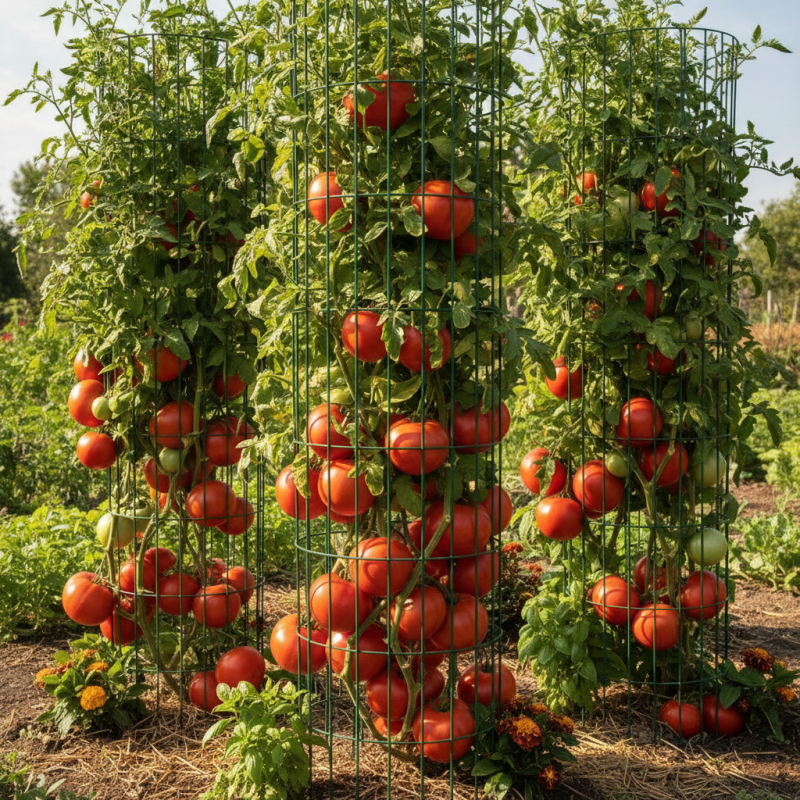
The right support for your plants can make all the difference in a thriving garden. Big tomato cages are crucial for growing healthy, robust tomato plants. With their sturdy design, these cages can support the hefty fruits that come from your garden.
Selecting the best big tomato cages involves more than just aesthetics. You need to consider durability, height, and width. A cage that is too short or flimsy could collapse under the weight of ripening tomatoes. Observing how well the plants interact with the cage structure might help in finding the right match.
It’s essential to invest in high-quality materials that last season after season. Some gardeners may underestimate the importance of these cages. However, a well-chosen cage can enhance air circulation and sunlight exposure. Even with some trial and error, the right big tomato cage can lead to fruitful results and a satisfying garden experience.
Understanding the Importance of Tomato Cages in Gardening
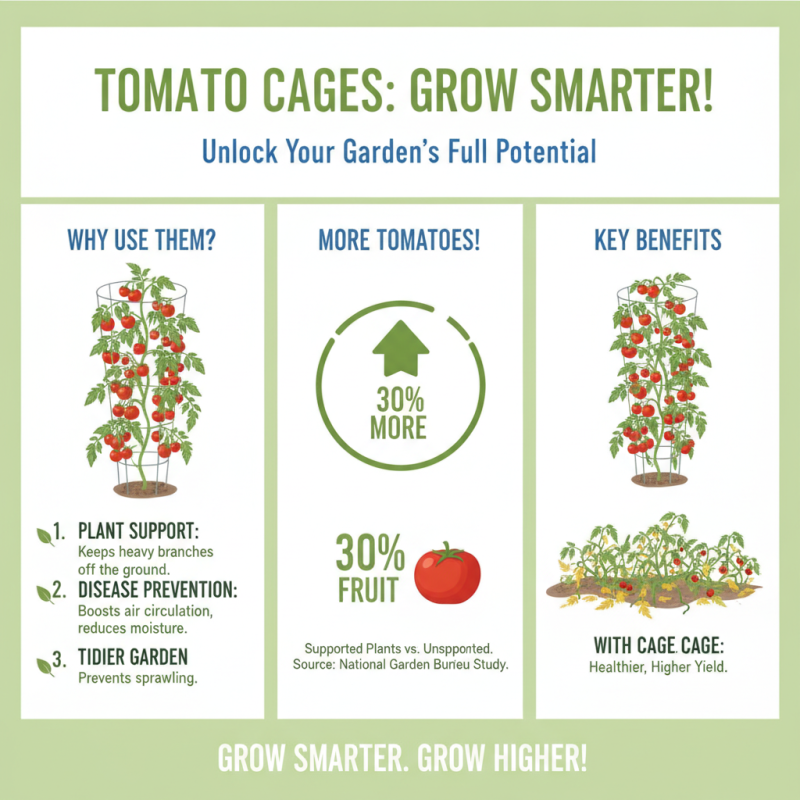
Tomato cages play a vital role in gardening, especially for those growing big tomato varieties. These structures support the plants as they grow, preventing sprawling and reducing the risk of disease. According to a study by the National Garden Bureau, tomatoes grown with proper support can yield up to 30% more fruit compared to unsupported plants. This increase is attributed to improved air circulation and reduced moisture on the leaves.
Choosing the right size and type of cage is crucial. Large tomatoes, such as beefsteak varieties, require robust cages that can withstand their weight and provide adequate support. Measurement data suggests that cages should be at least 5 feet tall for optimal growth. It's also essential to consider the gauge of the wire used in the cages; heavier gauge circumvents bent or collapsed structures during windy conditions. Observing how well your plants respond to different cages can lead to better results in future seasons.
Reflecting on past gardening efforts, many enthusiasts have noted issues with flimsy cages. These often fail, resulting in broken plants and wasted efforts. The right tomato cage can make a significant difference. Therefore, investing in quality equipment and understanding its significance ensures a successful harvest each season.
Types of Big Tomato Cages: An Overview of Options Available
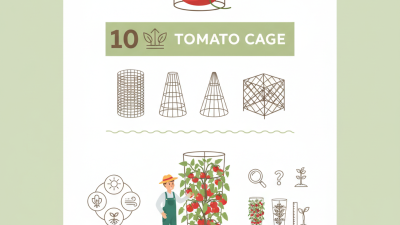
When selecting a big tomato cage for your garden, consider the options. There are various types of cages designed to support your plants. Common materials include metal and plastic. Each has distinct advantages and disadvantages. Metal cages are sturdy, while plastic ones tend to be lighter and more flexible.
When choosing a cage, think about your tomato variety. Indeterminate tomatoes grow tall and need strong support. Look for tall, reinforced cages. Determinate varieties are bushier and can use shorter cages. Ensure the size aligns with your plant's growth.
Tips for effective usage include placing the cage early. It helps avoid root damage later. You can also secure the cage with stakes for added stability. Don't forget to prune your plants. This encourages airflow and keeps your tomatoes healthy. Adjusting the cage's height may also be necessary as your plants grow.
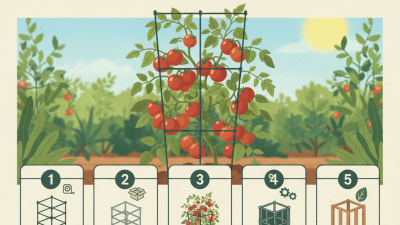
Types of Big Tomato Cages - Overview of Options Available
Factors to Consider When Choosing the Best Tomato Cages
When selecting the best big tomato cages for your garden, several factors come into play. The height of the cage is crucial. A study from the University of California shows that taller cages increase yield by 30% compared to shorter ones. This is vital for large tomato varieties that require more support as they grow. Aim for cages that stand at least 5 to 6 feet tall to accommodate vigorous growth.
Material matters too. Wire cages are popular for their durability and reusability. However, they can rust over time if not coated properly. Plastic or fiberglass options offer lightweight benefits but may lack stability in high winds. According to the American Gardening Association, the average lifespan of a metal cage is about 7 years, while plastic lasts about 3-5. Choose wisely based on your local climate and gardening needs.
Lastly, consider the cage’s spacing and shape. Wider cages allow for better airflow and sunlight, reducing disease risks. Research indicates that proper airflow can decrease fungal issues by 40%. Many gardeners overlook the dimensions, thinking any size will suffice. This can lead to overcrowded plants and hinder their growth. Reflecting on these aspects will enhance your gardening experience and improve your tomato yield.
What is the Best Big Tomato Cages for Your Garden? - Factors to Consider When Choosing the Best Tomato Cages
| Cage Type |
Height (ft) |
Material |
Weight (lbs) |
Price ($) |
Durability |
| Support Cage |
5 |
Metal |
5 |
20 |
High |
| Tomato Ladder |
4 |
Plastic |
3 |
15 |
Medium |
| Wire Cage |
6 |
Galvanized Steel |
8 |
25 |
Very High |
| PVC Cage |
7 |
PVC Pipe |
4 |
18 |
Medium |
| Folding Cage |
5 |
Metal |
6 |
22 |
High |
How to Properly Install and Maintain Your Tomato Cages
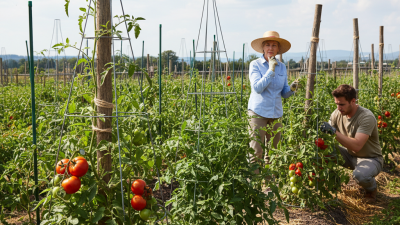
Installing tomato cages properly is crucial for maximizing your plant's health and fruit yield. According to the National Gardening Association, well-supported tomato plants can produce up to 30% more fruit than those without adequate support. Start by choosing the right location for your cages. Aim for full sunlight and ensure good airflow around the plants. This setup reduces disease risk while promoting healthy growth.
When it comes to installation, place the cages in the ground before the tomato plants grow too large. Generally, the cage should be at least 24 to 36 inches high, depending on the tomato variety. Bury the cage a minimum of 6 inches deep for stability. Regular maintenance is equally important. Check your cages weekly for any signs of damage or displacement. Adjust them if necessary to ensure that the plants remain well-supported as they grow.
Inevitably, some gardeners may leave their cages unattended until it's too late. This can lead to broken branches and poor fruit production. Remember, an effective tomato cage not only supports the plant but also aids in its overall health. Observing these details can make a significant difference in your gardening success.
Top Recommended Brands for Big Tomato Cages Reviewed
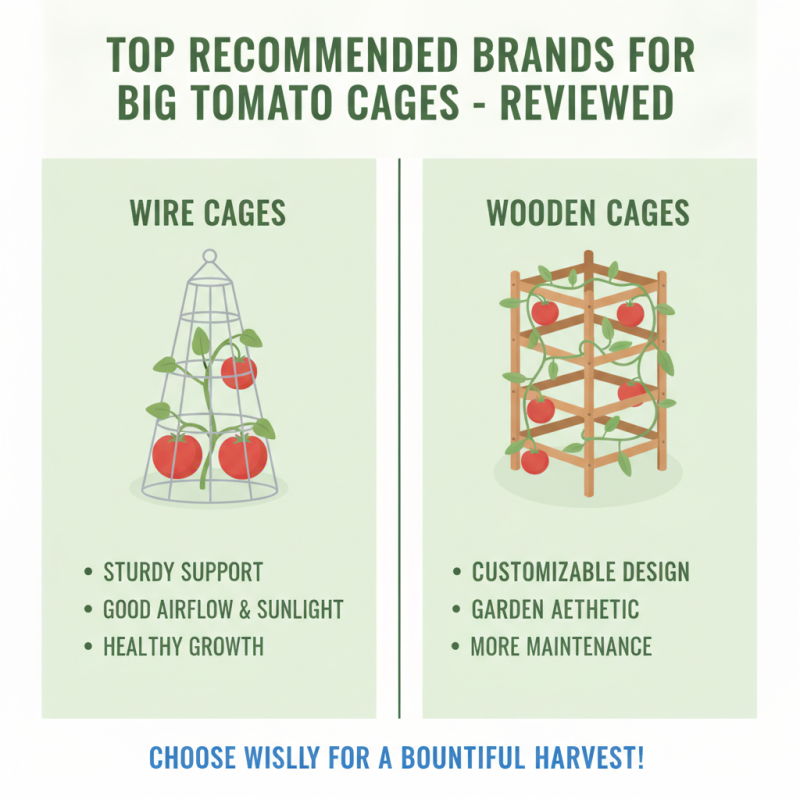
When choosing a big tomato cage for your garden, consider the material and design. Wire cages provide sturdy support. They allow for good airflow and sunlight. This is essential for healthy growth. Wooden cages are also an option. They can be customized to fit your garden’s style. However, they may require more maintenance over time.
In your search, explore different brands. Some focus on durability, while others emphasize portability. Look for reviews from fellow gardeners. They often provide insights based on real-life experiences. Pay attention to the height and width of the cages too. A taller cage may be necessary for larger tomato varieties.
Once you start using these cages, be prepared for some trial and error. Every gardener has a unique setup and environment. It may take time to find the perfect fit for your plants. Monitor their growth closely and adjust as needed. This process can be a rewarding challenge. With patience, you can support your tomatoes effectively.