Choosing the right supplier requires more than comparing catalog photos and listed prices. This 2026 Top Small Plant Climbing Frame Suppliers Guide examines manufacturers through practical, evidence-based criteria. It focuses on material quality, structural stability, production experience, and dependable customer service.
A suitable Small Plant Climbing Frame should support healthy growth without crowding the plant or damaging delicate stems. Strong steel, treated wood, bamboo, and weather-resistant coatings each offer different benefits. Suppliers should explain their material specifications clearly. They should also provide accurate dimensions, load guidance, surface treatment details, and packaging standards. Small frames often appear simple, but weak joints can bend under wet soil, wind, or climbing plant weight.
Details matter. Samples, factory images, inspection records, and consistent communication can reveal more than promotional language. This guide compares supplier capabilities, including custom sizing, private labeling, prototype support, order flexibility, and delivery reliability. It also considers whether suppliers understand greenhouse, balcony, nursery, and indoor growing conditions. Certifications can support trust, but they should be checked against the actual product and market requirements.
No supplier is perfect. A polished website does not guarantee careful production, and a lower price may hide thinner materials or weaker packaging. That gap matters. Buyers should request samples, clarify tolerances, confirm replacement policies, and test frames before placing larger orders. The following supplier overview aims to support informed decisions through practical details, transparent comparison, and realistic expectations.
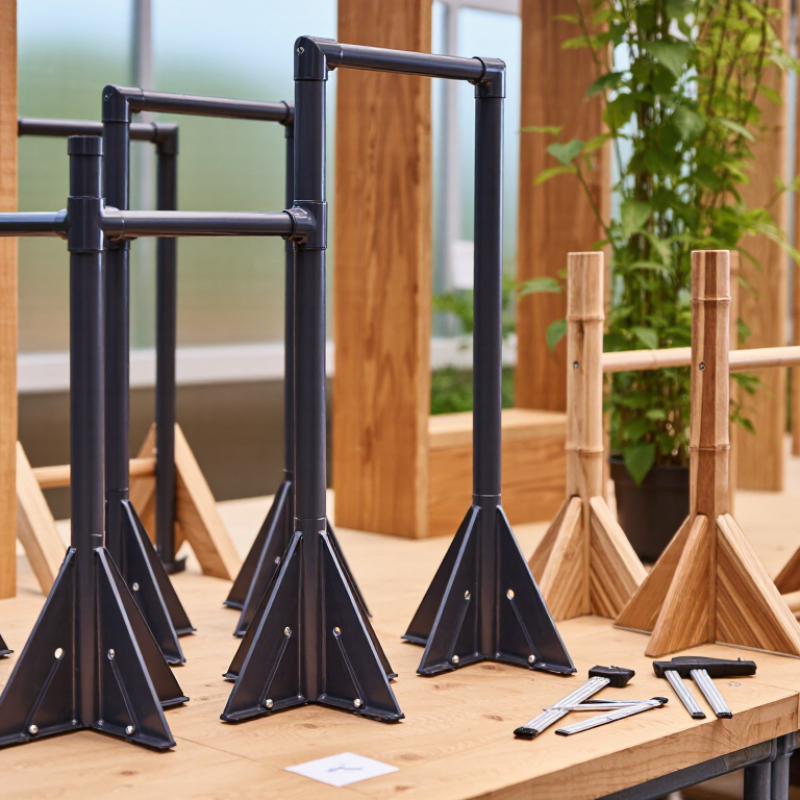
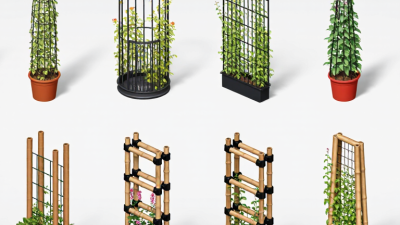
Small plant climbing frames are compact trellises designed for pots, raised beds, balconies, and narrow greenhouse rows. They guide stems upward while keeping leaves off wet soil. Common forms include wire grids, bamboo arches, ladder frames, and coated steel supports.
A useful frame should match the plant’s mature height, stem weight, and attachment method. Soft ties protect tender stems. Wide openings improve airflow and make pruning easier. A 2023 report from Grand View Research valued the global vertical farming market at about USD 5.6 billion, showing stronger interest in space-efficient growing systems. However, a climbing frame alone does not increase yield. Light, irrigation, nutrition, and root space remain decisive.
The USDA 2022 Census of Agriculture reported over USD 18 billion in U.S. horticultural sales. That figure includes many crop types, not climbing frames, but it reflects a substantial professional growing sector.
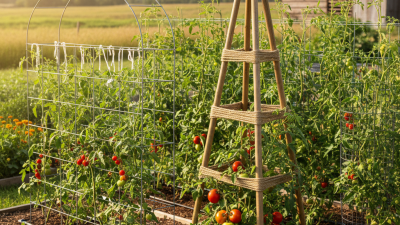
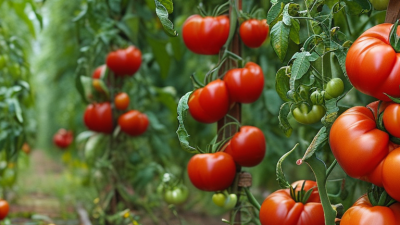
In practical use, frames can reduce leaf crowding and improve harvest access. I have found that lightweight frames work well for beans and young tomatoes, but they may bend under heavy fruit. Small mistakes matter. A frame placed too close to a wall can restrict air movement and create damp foliage. Gardeners should check joints weekly, especially after watering or strong wind. Specifications deserve skepticism, too; “high strength” means little without load data, material thickness, and corrosion testing.
2026 Top Small Plant Climbing Frame Suppliers Guide
Small plant climbing frames require more than attractive shapes. Supplier type affects flexibility, cost, and production control. OEM factories build from your drawings, while ODM suppliers offer tested structures with adjustable sizes. Specialized garden-product manufacturers usually provide stronger material knowledge. Trading suppliers may combine several factories, but their process visibility can be limited.
Compare manufacturing capabilities in detail. Check whether the factory performs wire bending, tube cutting, welding, injection molding, and surface finishing in-house. For steel frames, inspect weld consistency and coating thickness. Ask for samples with pointed legs, rounded joints, and stable spacing for vines. For bamboo or plastic designs, examine moisture resistance, color stability, and load performance. Request material reports, dimensional checks, and batch inspection records. A supplier with a clean workshop is useful, but documentation matters more.
Tips: Send a simple technical sheet with height, wire diameter, finish, packaging size, and expected quantity. Ask for a pre-production sample before approving bulk work. Test it in damp soil and under sideways plant pressure. Small details can expose weak joints. Also compare minimum order quantities, tooling fees, lead times, and replacement policies. A low quotation may hide packaging damage or inconsistent coating. No supplier is perfect. Review weaknesses openly, and leave room for design improvement after field testing.
2026 Top Small Plant Climbing Frame Suppliers Guide
The U.S. Department of Agriculture valued 2023 floriculture sales at approximately $6.72 billion. This scale makes supplier quality more important, even for small climbing frames. When comparing materials, request the exact grade, coating method, and wall thickness. Powder-coated steel offers useful stiffness, while stainless steel resists moisture better. Bamboo can look natural, but sealing quality and joint construction vary widely. Recycled plastic avoids rust, yet prolonged sunlight may cause brittleness. Ask for UV-aging evidence, not vague claims. ASTM G154 testing can help assess ultraviolet exposure, but it does not automatically prove product safety.
Design safety begins with stability. A narrow frame should have a broad base, secure ground pins, and no sharp cut edges. Check the stated plant load under wet conditions. Rain-soaked foliage can add surprising weight. Small gaps may also trap stems or fingers during installation. For balcony use, verify wind resistance and attachment instructions carefully. ASTM B117 salt-spray data may help compare metal coatings, although garden exposure is not identical. Suppliers should provide test dates, sample details, and failure observations. Missing records are a warning sign.
Durability depends on connections as much as materials. Welds should look continuous, while plastic joints should resist twisting. My own first-pass checklist often overweights attractive finishes. That is a mistake. A slightly plain frame with replaceable clips may last longer. Choose suppliers offering spare parts, clear load limits, and traceable production records. Inconsistent dimensions deserve a second inspection. Reliability is visible in small details.
2026 Top Small Plant Climbing Frame Suppliers Guide
Where to Find and Screen Reliable Small Plant Climbing Frame Suppliers
Reliable suppliers are easier to find through horticultural trade directories, garden equipment exhibitions, and verified manufacturing platforms. Look for suppliers that show production photos, material details, and clear factory contact information. A polished product page is not enough.
Ask for samples before discussing large orders. Check whether the frame stands firmly in a 15-centimeter pot. Examine welds, joints, surface coating, and sharp edges. For indoor use, powder-coated steel or treated bamboo may offer practical durability. The supplier should explain coating thickness, load capacity, packaging, and expected service life.
Request a dimension sheet.
Small errors matter.
Measure the frame width, leg spacing, and connector fit. A reliable supplier should provide consistent samples and answer technical questions without vague promises. Ask how workers inspect finished units, how damaged pieces are replaced, and whether cartons protect the corners during shipping. Photos of packed goods can reveal more than catalog images.
Price comparisons should include packaging, tooling, minimum order quantities, and rejected-unit policies. The lowest quotation may hide thin tubing or weak joints. No screening method is perfect. I would still test several samples under watering, movement, and repeated assembly. One overlooked detail can affect both plant support and customer reviews. Supplier claims should be recorded, checked, and reviewed again before approval.
How to Compare Pricing, Customization, Orders, and Delivery Terms
A low unit price can hide important costs. Compare steel thickness, surface coating, packaging, tooling, and shipping separately. Ask for prices at several quantities, such as 500, 2,000, and 5,000 units. Request a written quotation with currency, validity period, payment schedule, and delivery terms. Landed cost matters more than factory price.
Customization should be measured, not promised. Confirm height, width, wire diameter, coating color, base shape, and assembly method. Ask whether custom molds or fixtures require extra fees. A physical sample can reveal sharp edges, weak welds, or unstable feet. I have seen drawings look precise while the finished frame leaned slightly. That small error can affect retail returns.
Order terms need practical detail. Check minimum order quantity, sample timing, production capacity, inspection rights, and the process for design changes. A supplier should explain how rejected units are handled. Delivery estimates must separate production time from transit time. Confirm carton dimensions, pallet loading, shipping method, export documents, and responsibility for damaged goods. Build a small buffer into seasonal orders. Delays happen, and my earlier planning was sometimes too optimistic. Written terms reduce confusion, although they cannot remove every supply risk.