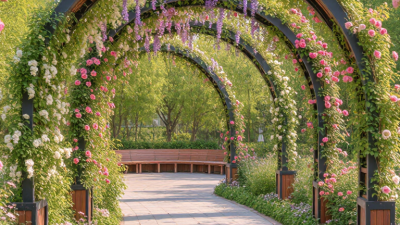
Why Use a Rose Bush Climbing Frame for Better Growth?
A Rose Bush Climbing Frame can turn a sprawling rose into a healthier, more manageable garden feature. It supports canes, improves light exposure, and creates a clearer structure for pruning. The Royal Horticultural Society recommends tying climbing roses horizontally where possible. This encourages flowering shoots along the stem, rather than concentrating blooms at the top. Small changes matter.
Professional horticultural guidance supports this approach. The University of Minnesota Extension states that roses generally perform best with at least six hours of direct sunlight daily. It also emphasizes airflow, because crowded foliage can retain moisture and increase disease pressure. A climbing frame helps separate stems from walls, fences, and neighboring plants. That extra space can make watering, inspection, and seasonal pruning easier. The effect is practical, not magical.
The frame must match the plant’s mature size and local conditions. Strong metal or treated timber works better than thin decorative supports. Flexible ties should hold canes gently, leaving room for expansion. The RHS also advises checking supports regularly as climbing roses grow. This step is easy to forget. A poorly placed frame may rub stems, restrict movement, or create a dense canopy.
Research from the American Rose Society and university extension services consistently links sunlight, ventilation, correct pruning, and support with stronger rose management. However, evidence does not suggest that every rose needs a frame. Bush roses may require only a simple stake. The best choice depends on cultivar, climate, soil, and available space. This article examines when a Rose Bush Climbing Frame improves growth, and when it may become unnecessary garden hardware.
What Is a Rose Bush Climbing Frame?
What Is a Rose Bush Climbing Frame?
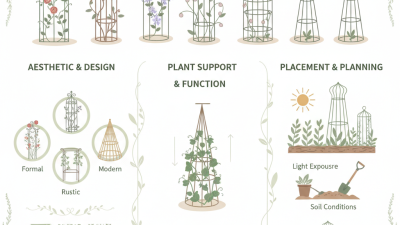
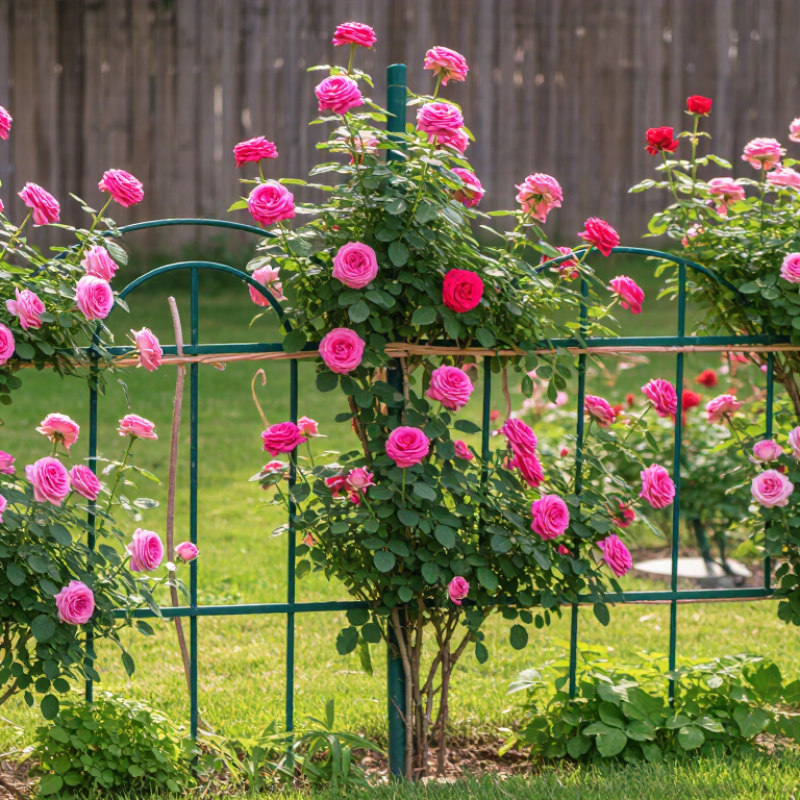
A rose bush climbing frame is a purpose-built support for guiding long rose canes upward and sideways. It may be an arch, wall trellis, obelisk, or freestanding grid. Unlike ivy, a rose cannot cling to a surface by itself. It needs soft ties and regular training. That distinction matters.
The frame should be strong, weather-resistant, and wide enough for airflow. Clemson Cooperative Extension’s Rose Culture guide reports that many climbing roses reach 8 to 20 feet, depending on cultivar and growing conditions. A weak frame may bend under mature canes, rain, and flowers. I have seen gardeners install narrow supports, then struggle when the rose becomes dense. The plant was healthy. The structure was not.
RHS pruning guidance recommends training flexible stems horizontally or in a fan shape. This can encourage more flowering side shoots along the main canes. University of Minnesota Extension advises at least six hours of direct sunlight for most roses, so frame placement matters as much as frame design. Leave space behind the stems for air movement. Keep ties loose enough for expansion. Small gaps are useful. Perfect symmetry is not required. A slightly uneven frame often supports growth better than a rigid one. Regular checks remain necessary, especially after strong wind or rapid spring growth.
How Climbing Frames Support Rose Growth
A climbing frame gives a rose bush clear support as its stems become heavier. It lifts branches from wet soil and helps flowers face open sunlight. When stems spread across a frame, leaves receive more even light. Better air movement can also reduce damp foliage after rain. This matters in crowded gardens. A frame also protects young shoots from careless footsteps, pets, and strong wind.
The structure should be firm, weather-resistant, and placed before the plant becomes difficult to handle. Leave several inches between the frame and the wall. This gap allows air to circulate and gives stems space to expand. Tie branches with soft, flexible material. Tight knots can cut into growing bark. Guide strong stems sideways or diagonally instead of sending every shoot straight upward. This arrangement often encourages more flowering points along the stem.
I have found that gentle training works better than force. Some bush roses resist climbing, even with careful support. They may need regular pruning rather than a taller frame. Check the ties every few weeks during active growth. A branch can change quickly after warm weather. I once left one tie untouched for too long, and it left a narrow mark on the stem. That mistake changed my routine. Support should guide the rose, not control every movement. The best frame becomes almost invisible beneath healthy leaves and well-spaced blooms.
Choosing the Right Frame for Your Rose Bush
Choosing the Right Frame for Your Rose Bush
A climbing frame should match the rose’s mature height, weight, and growth habit. The Royal Horticultural Society recommends supporting climbing roses with sturdy structures and tying stems loosely. Check the plant label before buying. A compact climber may need a 1.5-metre frame, while vigorous varieties can exceed 3 metres.
Sunlight matters too. The RHS advises at least six hours of direct sun for strong flowering. Place the frame where morning light reaches the leaves, but avoid exposed corners with harsh wind. USDA climate data divides the United States into 13 hardiness zones, so winter conditions should influence your material choice. Galvanised steel handles damp soil well. Treated hardwood feels warmer, but it needs regular inspection.
Choose a frame with wide gaps, not dense bars. Young canes should bend gently across the support, creating a fan shape. I usually leave 10 to 15 centimetres between the frame and the wall, improving airflow and reducing trapped moisture. That detail is easy to miss.
Secure the frame before growth becomes heavy. A mature rose can pull loose fittings from soft masonry. This is where careful installation beats attractive design. Still, no frame works perfectly for every garden. My first choice was too narrow, and crowded stems produced fewer flowers. A wider frame would have encouraged better spacing and easier pruning.
Installing and Training Roses on a Climbing Frame
Why Use a Rose Bush Climbing Frame for Better Growth?
Installing and training roses on a climbing frame gives long canes direction, support, and better access to light. The frame should stand about 30–45 centimetres from a wall, allowing air to move behind the plant. The Royal Horticultural Society recommends tying climbing rose stems horizontally or diagonally, rather than sending every cane straight upward. This encourages more flowering shoots along the stem. It also makes pruning safer and more precise.
Choose a sturdy frame before planting. Galvanised wire, timber, or coated metal can work well when securely anchored. Leave 30–45 centimetres between major canes, then use soft ties that will not cut into expanding stems. Bend young canes gradually. Do not force brittle growth in cold weather. A gentle curve is better than a sharp angle.
The 2023 USDA Plant Hardiness Zone Map uses 30-year temperature averages to guide plant selection. Check your local zone before choosing a climbing rose, especially in exposed gardens. The American Rose Society also stresses sanitation, airflow, and regular inspection for disease. Look beneath the leaves for black spots, mildew, or weak stems. Remove damaged material with clean tools. I sometimes tie stems too tightly when working quickly. That mistake can leave scars by summer. Training takes checking, not just installing. A frame may support growth, but it cannot correct poor watering or unsuitable soil.
Maintaining the Frame and Guiding New Growth
A climbing frame only helps when it stays stable, clean, and correctly positioned. I inspect mine every few weeks, especially after heavy rain or strong wind. Loose ties can rub against stems and create narrow wounds. Soft, flexible ties are safer than wire. Leave space for each stem to thicken. I learned this after finding a tie pressed into the bark.
Guide new shoots while they are young and bendable. Choose two or three strong canes, then spread them across the frame. Avoid pointing every cane straight upward. A gentle fan shape exposes more leaves to sunlight. It also encourages flowers along the stems. Tie each cane loosely at several points. Do not force a sharp bend. It may snap overnight.
Check the frame before new growth becomes heavy. Tighten loose screws, replace cracked supports, and push unstable legs deeper into firm soil. Remove dead leaves caught behind the structure, because trapped moisture can encourage fungal problems. In late winter, cut damaged wood back to healthy tissue with clean, sharp tools. I sometimes prune too cautiously and leave weak crossing stems. That mistake reduces airflow. Remove them carefully, while preserving strong canes with useful spacing. Recheck the ties every month as the rose expands. Growth changes faster than expected.