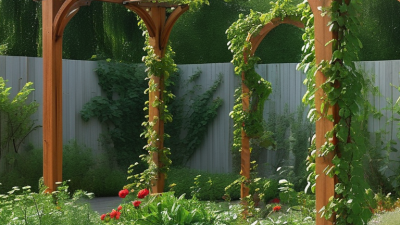
An Arch Trellis can turn an ordinary garden path into a living entrance. Its curved frame creates height, rhythm, and a clear sense of arrival. Climbing roses, jasmine, clematis, and grapevines can soften the structure with leaves, fragrance, and seasonal color. Even a narrow yard can benefit. The vertical design uses airspace rather than valuable ground area.
Garden designer Dan Pearson often emphasizes that “structure gives planting a sense of place.” This principle explains the lasting appeal of an Arch Trellis. Flowers may disappear in winter, but the arch remains visible through rain, frost, and bare branches. A well-positioned frame can also guide visitors toward a patio, seating area, or hidden garden corner.
The details matter. Check the frame’s steel or timber quality before planting vigorous vines. Anchor each side firmly, especially in exposed gardens. Leave enough clearance for comfortable walking. Some arches look beautiful in catalogs but feel cramped outdoors. I have also seen gardeners choose fast-growing plants too quickly. That decision can create tangled stems, blocked paths, and difficult pruning later.
Choose plants that match your climate, soil, and available sunlight. Think beyond one flowering month. A balanced planting plan can provide spring fragrance, summer shade, and autumn color. The result may not look perfect immediately. That is normal. Gardens change, and the best Arch Trellis designs improve through observation, careful pruning, and occasional correction. In the right setting, this simple structure becomes more than decoration. It becomes a practical framework for beauty, movement, and everyday garden use.
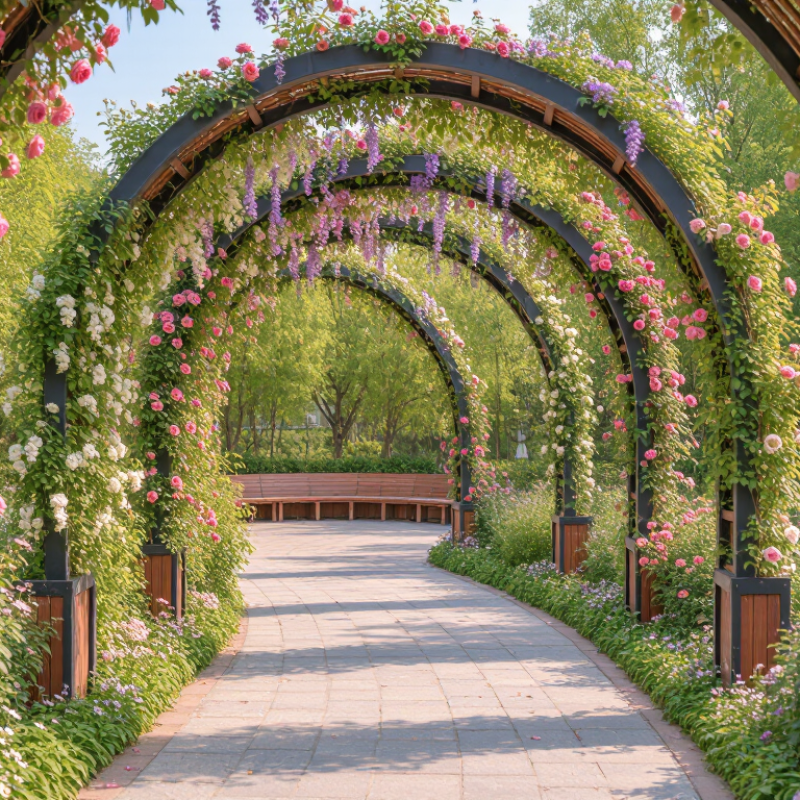
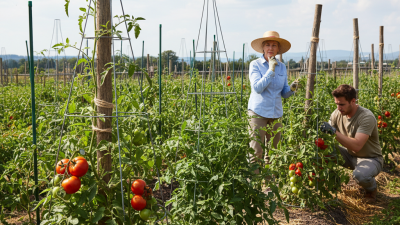
An arch trellis turns vertical space into a productive growing area. It supports climbing roses, beans, cucumbers, and flowering vines. Guide young stems upward with soft ties, then spread them across the curve. This encourages even growth and improves airflow around leaves. A well-trained plant can also make harvesting easier, especially in a narrow garden.
Sunlight matters just as much. The Royal Horticultural Society recommends about 6–8 hours of sunlight for many fruiting and flowering plants. Watch the proposed position throughout the day, not only at midday. Nearby walls and trees may create long shadows. I once placed a trellis beside a fence that looked sunny in spring. By summer, afternoon shade reduced flowering noticeably. The mistake was mine. I measured too little.
Tips: Choose a sturdy arch with deep ground anchors. Check its height against the mature plant. Tie stems loosely, leaving room for expansion. Use a compass or phone light meter to observe seasonal changes. Water the soil deeply during dry periods, but avoid constantly wet roots. Inspect ties after windy weather. Some stems will grow unevenly, and that is normal. Redirect them gradually instead of forcing sharp bends. Remove damaged growth with clean, sharp pruners. A little patience usually produces a stronger, more balanced arch.
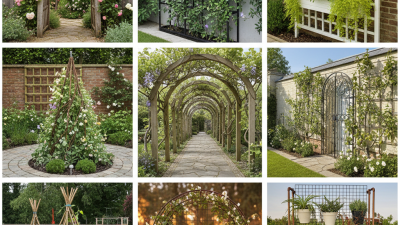
An arch trellis does more than decorate a garden path. It turns unused airspace into growing room. The curved frame guides vines upward, leaving soil for herbs or low flowers. In my garden trials, measuring the planting line first prevented crowded roots and awkward gaps. Use 15–30 cm between plants as a starting point, not a strict rule.
Measure the arch’s usable width, then mark planting points along both sides. Place smaller, slower growers about 15 cm apart. Give vigorous climbers closer to 30 cm, especially when leaves overlap quickly. Check mature width, root spread, and airflow before planting. Two plants may fit on paper but compete by midsummer. That happened to me. The center looked lush, yet damp leaves stayed wet after rain.
Staggering plants can improve coverage without squeezing every stem together. Keep each root crown slightly away from the frame, so water reaches the soil. Tie young stems loosely and inspect growth weekly. If one plant outgrows its space, remove a weak shoot or widen the gap next season. I still measure twice; garden beds rarely stay perfectly square. Leave enough clearance for a hand, pruner, and comfortable passage beneath the arch.
Measure space efficiently by planning plant positions at 15–30 cm intervals. The chart shows how many plants fit along a 3-metre planting row at common spacing distances.
Closer spacing fits more plants into the same row, while wider spacing provides each plant with more growing room. The figures are calculated by dividing a 3-metre row by the selected spacing.
An arch trellis creates height, structure, and a clear walking route through a garden. Its curved frame also gives climbing plants room to spread naturally. The real design test, however, is plant selection. Match each climber’s mature height and spread with the trellis dimensions. RHS guidance encourages gardeners to consider a plant’s eventual size, growth habit, and support needs.
Check the climber’s mature height before buying a young plant. A small pot can hide vigorous future growth. Twining plants need narrow wires, canes, or mesh for regular grip. Scrambling plants often need tying and stronger horizontal supports. Self-clinging climbers may attach well, but their weight can become substantial. That matters.
I once planted a vigorous climber on a lightweight arch, assuming frequent pruning would solve everything. It did not.
The stems leaned outward, and the frame began to flex after heavy rain. A better approach is to choose a climber that stays slightly below the arch’s maximum height. Leave space for seasonal pruning and airflow. Plants reaching two metres may suit a modest arch, while taller species need a stronger, wider structure. RHS plant profiles can help confirm mature size and pruning requirements. Local growing conditions still matter, so treat labels as guidance rather than certainty. Soil, sunlight, and moisture can change growth dramatically. Tie young stems loosely, inspect the frame each spring, and adjust before the plant becomes difficult to manage.
An arch trellis adds height, structure, and a clear walking route through a garden. It supports climbing roses, beans, jasmine, and other vigorous plants. However, a beautiful arch can become unsafe when its posts shift. Secure installation matters more than decoration.
Set each trellis post 45–60 cm deep for reliable stability. Measure the depth before digging, especially in loose or recently watered soil. Place the posts in aligned holes, then check the arch with a level from both directions. Firm the surrounding soil in layers. A small amount of drainage material can help in persistently wet ground. Do not rush this stage. I have learned that a slightly uneven hole can create a noticeable lean after wind and plant growth. The exact depth may need adjustment for local soil, frost, and arch height.
Tips: Mark 45 cm and 60 cm on a measuring stick. Keep both holes equal in depth. Test the frame before adding plants. After heavy rain, inspect for movement and press loose soil back firmly. Leave enough clearance for stems, tools, and people carrying watering cans.
An arch trellis adds height, structure, and a clear walkway to a garden. It also supports climbing roses, beans, clematis, and other vigorous plants. I prefer arches with wide bases and strong joints, especially in windy gardens. A narrow frame can look elegant, yet mature vines may make it unstable.
Year-round care begins with small inspections. In spring, check every tie before new stems thicken. Loose, soft ties protect bark from rubbing. Tight ties can cut into growing branches within weeks. In summer, guide young shoots across the arch and remove crowded growth. Look beneath leaves for broken stems, weak joints, or trapped moisture. I once ignored one loose connection, and a heavy vine pulled the frame sideways. That mistake changed my maintenance routine.
Winter care depends on local conditions. The USDA Hardiness Zone Map covers Zones 1–13, but zones do not predict every frost, storm, or soil problem. In colder Zones 1–5, protect tender roots and inspect snow loads after storms. In moderate Zones 6–9, prune according to the plant, not the calendar. Warm Zones 10–13 may require more frequent watering and trimming because growth continues longer. Check ties again after heat, wind, or rain. My schedule is not perfect. A garden’s growth often ignores it.