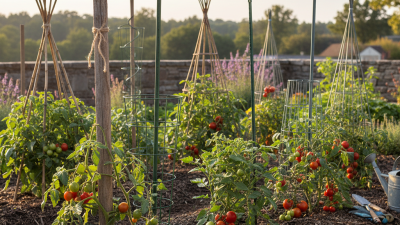
How to Choose Heavy Duty Tomato Cages for Your Garden?
Selecting the right Heavy Duty Tomato Cages can significantly impact your gardening success. Strong and reliable cages support healthy growth for your tomato plants. They prevent sprawling and ensure better air circulation around the plants. This durability is essential, especially during harsh weather conditions.
When choosing Heavy Duty Tomato Cages, consider materials and design. Metal cages are typically sturdier than plastic ones. Look for designs that allow easy assembly and disassembly. A wide base adds stability, preventing tipping during storms. Cages should be tall enough to accommodate the expected height of your plants.
Gardening is often a trial-and-error journey. You may find that some cages do not meet your expectations. Reflect on your experiences and re-evaluate your choices. Don't hesitate to invest time in finding the best options. A well-chosen Heavy Duty Tomato Cage can be a game-changer for your tomato harvest.
Understanding the Importance of Tomato Cages for Plant Support
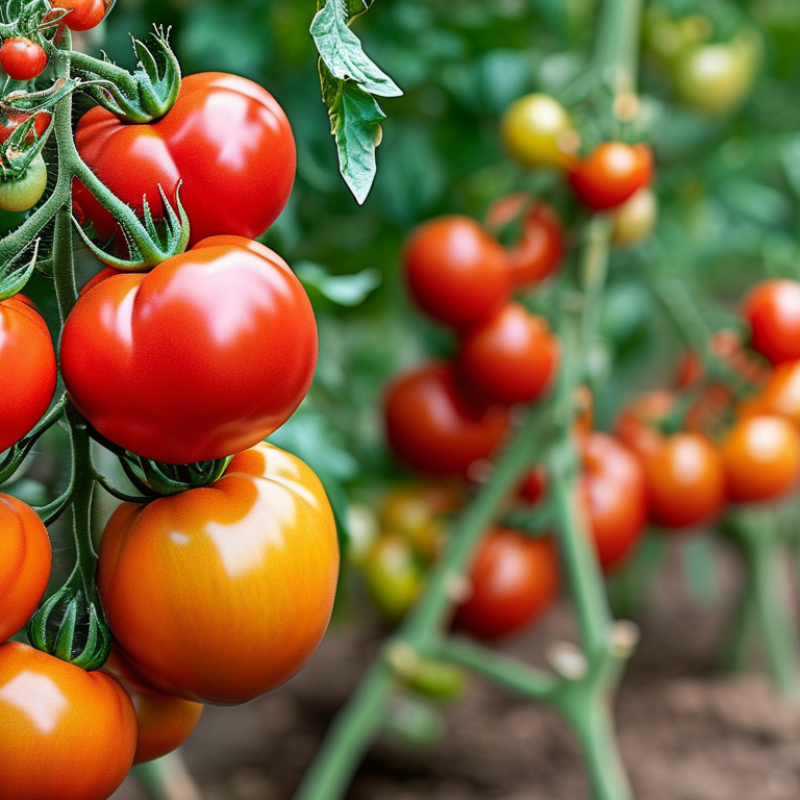
Tomato cages play a vital role in supporting plants as they grow. These structures help prevent plants from sprawling on the ground. When tomatoes grow too large, weak stems may bend. A well-constructed cage keeps them upright, allowing for better air circulation. This can reduce the risk of diseases that thrive in damp environments.
Choosing heavy-duty cages is important for stability. They should be tall enough to accommodate the growth of tomato plants. A sturdy cage can withstand wind and heavy fruits. Many gardeners suggest using materials like steel or reinforced plastic. These options provide longevity and weather resistance.
However, not all tomatoes need the same support. Some may thrive with light cages. Others may need something sturdier. Observing your plants' growth and assessing their needs is key. It’s also worth experimenting with different designs. Adjusting your support system can lead to healthier plants and a more bountiful harvest.
Key Factors to Consider When Selecting Heavy Duty Tomato Cages
When selecting heavy-duty tomato cages, several key factors come into play. The material is crucial. Look for cages made of strong, rust-resistant steel or durable plastic. These materials can withstand harsh weather and support hefty tomato plants. The height of the cage matters too; it should accommodate the growth of the tomato varieties you choose. Most standard cages are 5-6 feet tall, ideal for larger tomatoes.
Consider the design of the cage. Some have a solid structure with horizontal supports while others feature a grid. This affects both stability and the ease of harvesting. A wider base can prevent the cage from tipping over as plants become heavy with fruit.
Tips: Test the sturdiness of any cage before buying. It should not bend easily. Also, think ahead about storage; collapsible options save space. Remember, how much weight the cage can handle is not always clear. Some users have shared stories of using flimsy cages, only to find them bent or broken during peak growth. Research and customer reviews can provide insights into more reliable options.
How to Choose Heavy Duty Tomato Cages for Your Garden? - Key Factors to Consider When Selecting Heavy Duty Tomato Cages
| Features |
Description |
Importance |
Options |
| Material |
Durable materials such as steel or reinforced plastic. |
High, ensures longevity and resistance against bending. |
Steel, Galvanized Steel, Plastic |
| Height |
Optimal height for supporting tall tomato plants. |
Medium to High, allows for full plant growth. |
3 ft, 5 ft, 7 ft |
| Diameter |
Sufficient diameter to accommodate plant growth. |
High, prevents plants from collapsing outwards. |
10 in, 12 in, 14 in |
| Base Stability |
Sturdy base to hold the cage firmly in the soil. |
High, prevents tipping during windy conditions. |
Spiked base, Weighted base |
| Spacing |
Wider spacing between wires allows easy access and air circulation. |
Medium, improves plant health and growth. |
4 in, 6 in, 8 in |
| Adjustability |
Ability to adjust height or configuration as plants grow. |
Medium, enhances usability for different plants. |
Expandable, Multi-tiered |
Comparing Materials: Metal, Plastic, and Wood for Tomato Cages
When choosing heavy-duty tomato cages, the material plays a critical role.
Metal cages often offer the best durability. They can withstand wind and support heavy fruit loads effectively. For some gardeners, rust is a concern.
Galvanized steel is a smart choice, as it resists corrosion over time. However, metal cages can be heavy, making them difficult to move.
Plastic cages provide a lighter alternative. They are often UV resistant, meaning they last for several growing seasons.
This can save on replacement costs. However, they may lack stability in high winds.
Wooden cages, while aesthetically pleasing, can rot if not treated. They offer natural support and blend well with garden aesthetics, but their life span is shorter.
Choosing the right material requires consideration of your climate and gardening style. Each type has strengths and weaknesses.
It’s essential to weigh these factors before making a decision.
Some materials suit specific gardens better than others. This reflection can guide future purchases.
Optimal Dimensions for Heavy Duty Tomato Cages: Height and Width
Choosing the right dimensions for heavy-duty tomato cages is critical for healthy plant growth. The ideal height for these cages typically ranges from 5 to 7 feet. This height provides sufficient support for the tall growth of indeterminate tomato varieties. Taller cages can prevent plants from collapsing under their weight, especially during stormy weather.
Width is equally important. Cages should ideally have a diameter of 18 to 24 inches. This size allows for ample space for the tomato plant to grow while still providing stability. A wider cage ensures that the plant has room for spreading branches and fruit. However, consider your garden layout. If you have limited space, balance width and height with your planting strategy.
Assessing your plant's specific needs is crucial. Some might find that a 5-foot cage isn't enough. Others may need wider cages to accommodate vigorous growth. Conduct trials with different dimensions to see what works best for your garden. Remember, it’s about finding the right fit for your plants and your gardening environment. Keeping an open mind to adjustments might lead to better results in the long run.
Assessing Weight Capacity and Stability of Tomato Cages for Heavy Plants
When selecting heavy-duty tomato cages, stability is crucial. A well-designed cage must support the lush growth of vigorous tomato plants. Assess the materials used in construction; steel and coated wire are common choices. They provide strength and longevity. Cages should be able to withstand strong winds and heavy fruit loads.
Consider the weight capacity of your tomato cages. A good cage should hold a minimum of 100 pounds to ensure durability. However, it’s essential to think about the specific variety of tomatoes you're growing. Some plants grow taller and wider than others, which means they require different support. Recognizing these needs can prevent garden mishaps.
Assessing the cage's base is equally important. A wider base ensures better stability in adverse weather. If you find a cage tipping over after heavy rain, that’s a sign it might be inadequate for your garden needs. Experimenting with different cage sizes can lead to better results. Sometimes, what looks sturdy may not perform well under pressure. Make adjustments based on your observations for optimal results.
Weight Capacity of Heavy Duty Tomato Cages