Why Use Plant Stakes for Better Garden Support?
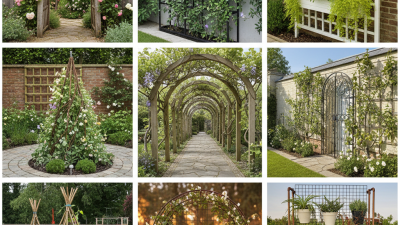
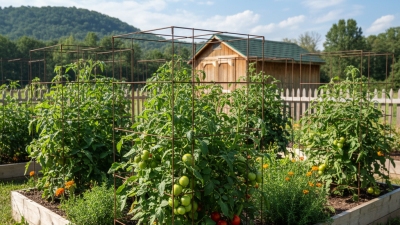
Creating a flourishing garden often requires support for plants. Plant stakes can significantly boost the growth and stability of your garden. These simple tools can help keep plants upright, especially during harsh weather or heavy fruit production.
Plant stakes come in various sizes and materials, allowing gardeners to choose what suits their needs. Some options include wooden, metal, and even biodegradable stakes. By using the right stakes, you can prevent plants from bending or breaking. This, in turn, enhances air circulation and sunlight exposure.
However, choosing and placing plant stakes might not be as easy as it seems. Poorly placed stakes can cause more harm than good. It's essential to consider the growth habits of each plant. Experimenting and reflecting on your methods can lead to better results. Therefore, understanding how to effectively use plant stakes is vital for a thriving garden.
Benefits of Using Plant Stakes in Gardening
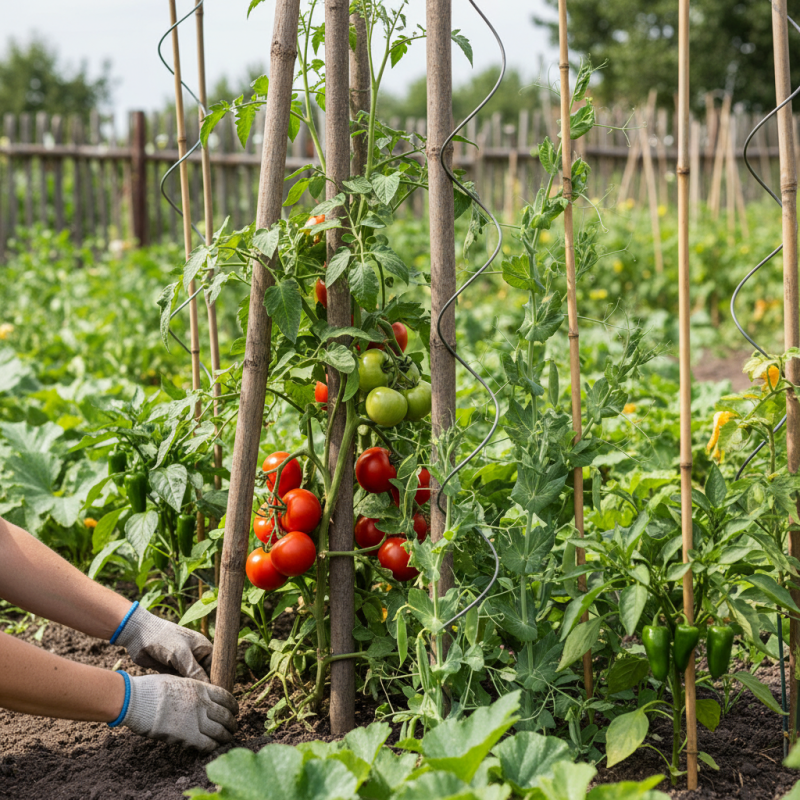
Plant stakes offer essential support for garden plants. Many gardeners overlook their importance. Research shows that plants with adequate support can grow 30% taller and produce more fruit. Stability prevents breakage, especially during storms or high winds. Using stakes can dramatically improve plant health.
Staking is vital for growing climbing plants and tall perennials. Each type of stake is designed for specific plants. Bamboo stakes, for instance, are versatile and lightweight. Metal stakes provide durability but may require extra care to install. According to a 2021 horticultural study, plants with proper staking had a 50% lower risk of disease. This benefit highlights the necessity of support in crowded gardens.
Tips: Choose a stake height that matches your plant's growth potential. Position the stakes before planting to avoid root disturbance. Regularly check if plants need additional support as they mature. If you notice bending or leaning, adjust the stake promptly. Remember, improper staking can lead to growing complications. Staking techniques may vary, so be open to reassessing your methods. Adapt as needed for the best garden outcome.
Why Use Plant Stakes for Better Garden Support? - Benefits of Using Plant Stakes in Gardening
| Benefit |
Description |
Best Plants to Use |
Material Options |
| Support |
Keeps plants upright and prevents damage from wind or rain. |
Tomatoes, Peppers, Peas |
Wood, Metal, Bamboo |
| Growth |
Encourages healthy growth by allowing plants to grow vertically. |
Cucumbers, Beans, Sunflowers |
Plastic, Composite, Recycled Materials |
| Disease Prevention |
Reduces contact with the ground, minimizing disease risk. |
Eggplants, Strawberries, Vines |
Natural Fibers, Steel, Aluminum |
| Aesthetic Appeal |
Enhances the visual organization of the garden. |
Roses, Dahlias, Orchids |
Decorative Stakes, Colored Stakes, Custom Designs |
| Ease of Harvesting |
Facilitates easier access to fruits and foliage. |
Fruits, Herbs, Vertical Plants |
Flexible Stakes, Retractable Stakes |
Types of Plant Stakes Available for Garden Support
When it comes to supporting your plants, choosing the right stakes is essential. Different types of plant stakes serve various purposes, ensuring your garden remains healthy and vibrant.
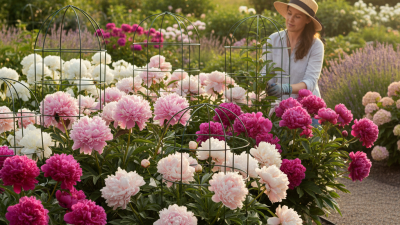
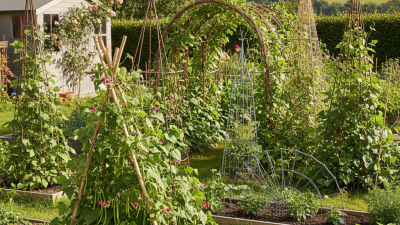
Bamboo stakes are lightweight and natural, making them ideal for young and delicate plants. Metal stakes, on the other hand, offer durable support for heavier plants, withstanding harsh weather conditions.
Wooden stakes are another popular option. They blend well into the garden and are easy to handle. However, they may rot over time if not treated properly. According to a recent gardening report, nearly 70% of gardeners prefer using stakes to support fragile plants. This statistic highlights the importance of proper support in achieving strong plant growth.
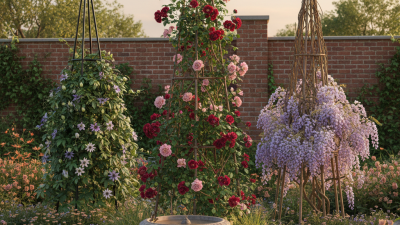
Tip: Regularly check your stakes to ensure stability. A stake that collapses can damage your plants. Consider using L-shaped stakes for climbing plants, offering better support. Always choose stakes with the right height for your plants. Too short, and they won't provide enough support; too tall, and they may overshadow your plants, stunting their growth.
The right stakes not only help in supporting plants but can also prevent pest problems. An unsupported plant may become a breeding ground for pests. Many gardeners overlook this factor, resulting in increased pest infestations. So, ask yourself: Are your plants adequately supported?
How to Properly Install Plant Stakes for Optimal Support
Installing plant stakes correctly can enhance your garden's support system. Start by selecting sturdy stakes that match your plants' height and weight. Bamboo or metal can work well. For taller plants, choose stakes that reach at least one foot above the plant's height. This height allows for proper stabilization without overcrowding the plant.
When installing, push the stake into the ground close to the plant's base. Make sure to avoid damaging the roots. A good rule is to position the stake about 2-3 inches away from the stem. Next, tie the plant gently to the stake using soft ties or twine. Avoid tight restraints to prevent damage. Frequent checks are essential. Plants grow, and supports must adapt to their changing needs.
Some may find it hard to get the height right. If the stakes are too short, they won't provide enough support. Too tall, and they might overshadow the plant. Choosing the right material can also be tricky. Some stakes can deteriorate quickly, while others may not blend well with your garden aesthetic. Reflecting on these aspects improves your gardening skills. Small adjustments can lead to better support and healthier plants.
Plant Support Types and Their Effectiveness
This chart illustrates the effectiveness of various plant support types for optimal garden support. As shown, plant stakes provide the highest effectiveness, making them a preferred choice for supporting growing plants.
Tips for Choosing the Right Plant Stakes for Different Plants
When selecting plant stakes, consider your plant type and growth habits. For tall plants, like sunflowers, choose sturdy stakes. These plants can grow over six feet tall, requiring strong support. A study by the American Horticultural Society states that proper staking can reduce stem breakage by 30%. Tall plants often need heavy-duty materials such as metal or hardwood.
For smaller plants, lightweight stakes are adequate. Bamboo stakes are a popular choice. They are easy to handle and still provide necessary support. When choosing stakes, ensure they are at least one-third of the plant's height above the soil. This guideline helps prevent leaning and promotes straight growth.
An important aspect is the spacing of stakes. Aiming for 18 inches apart is beneficial. This distance provides adequate support without overcrowding roots. Some gardeners overlook this, leading to inadequate growth. Remember, poorly selected stakes can hinder your plants' development and aesthetics. Pay attention to your plants' needs and select wisely.
Maintenance and Care for Staked Plants in the Garden
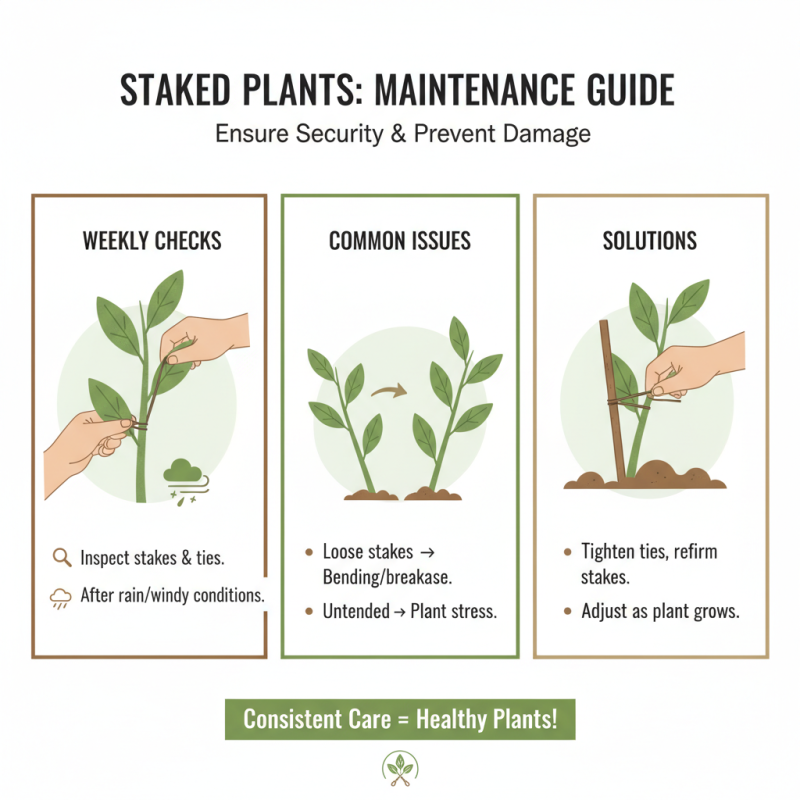
When you stake plants, proper maintenance is crucial. Staked plants often require regular checks to ensure the stakes remain secure and effective. It's not uncommon to find stakes that have become loose over time. This could lead to bending or breakage of stems. You should inspect them weekly, especially after heavy rain or strong winds. Adjusting the ties and stakes as needed can make a significant difference.
Watering staked plants needs attention too. If the soil is too compact, it can strain the roots. Compacted soil often leads to poor drainage. Regularly loosening the soil around the base can help. Adding mulch can retain moisture, preventing excessive drying out. However, be cautious; too much moisture can lead to root rot. Finding the right balance is essential.
Sometimes, plants outgrow their stakes. A regular assessment of plant health can reveal this. If you notice a plant leaning or looking unstable, it may be a sign of insufficient support. In such cases, using taller stakes might be necessary. Don’t hesitate to adapt your approach as the season changes. It's a learning process, and adjustments improve plant health and yield.