What is a Rose Bush Climbing Frame and How to Choose the Best One
When it comes to cultivating a vibrant garden, the right support structures can make all the difference, especially for climbing plants like roses. A Rose Bush Climbing Frame is an essential gardening tool designed to support and elevate these beautiful blooms, allowing them to flourish and display their intricate blossoms with grace. This frame not only provides the necessary stability for climbing varieties of roses but also enhances the aesthetic appeal of your garden, turning simple plants into breathtaking floral displays.
Choosing the best Rose Bush Climbing Frame involves considering various factors such as materials, design, and suitability for the specific type of rose. It’s crucial to select a frame that not only complements the growth habits of your rose bushes but also integrates well into your overall garden design. This introduction aims to guide you through the essential aspects of selecting the ideal climbing frame that will not only support your roses effectively but also accentuate their beauty throughout the growing season. Whether you are a seasoned gardener or a beginner, understanding the importance of a Rose Bush Climbing Frame will empower you to make informed decisions that lead to a thriving and attractive garden.
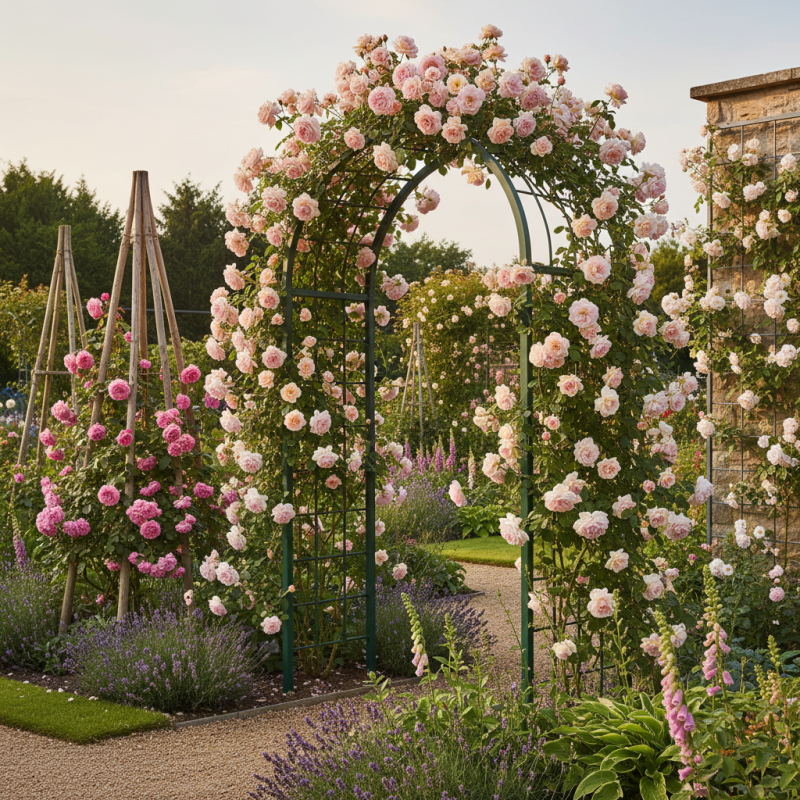
What is a Rose Bush Climbing Frame?
A rose bush climbing frame is a specialized support structure designed to help climbing roses grow vertically, enhancing their aesthetic appeal and optimizing space in gardens. These frames are often constructed from sturdy materials such as metal, wood, or trellis designs that provide stability and support for the weight of mature climbing roses, which can weigh between 10 to 30 pounds per plant, depending on their size and variety. According to a report by the American Society for Horticultural Science, using climbing frames not only promotes healthier growth by allowing better air circulation and sunlight access but can also increase flower production by 20-30%.
Choosing the right climbing frame for your rose bush involves considering various factors including height, width, and style of the frame. A frame that is at least 6 to 8 feet tall is generally recommended, particularly for vigorous climbers, while a width of 3-4 feet allows roses to spread comfortably. Additionally, the type of material plays a crucial role; for instance, Galvanized steel is often favored for its durability and resistance to rust, which is critical in outdoor environments. Research indicates that proper installation of these frames can extend the lifespan of the climbing roses and help gardeners achieve their desired floral displays more efficiently, leading to a vibrant and healthy garden setting.
What is a Rose Bush Climbing Frame and How to Choose the Best One
| Feature |
Description |
Importance |
| Material |
Wood, metal, or plastic |
Durability and aesthetic appeal |
| Height |
Varies from 4 to 8 feet |
Influences growth habit of roses |
| Design |
Arched, trellis, or ladder forms |
Affects vine stability and visibility |
| Installation |
Easy assembly or professional installation |
Convenience and efficiency |
| Weight Capacity |
Supports up to 100 lbs |
Ensures safety for climbing plants |
Benefits of Using a Climbing Frame for Rose Bushes
Using a climbing frame for rose bushes offers several significant advantages that enhance both their growth and aesthetic appeal. One major benefit is the support it provides, allowing the roses to grow upward rather than sprawling on the ground. This vertical growth promotes better air circulation and sunlight exposure, which are crucial for healthy foliage and vibrant blooms. Additionally, a climbing frame helps prevent the stems from bending or breaking under the weight of heavy blossoms, ensuring that the plants maintain their structure and flourish throughout the growing season.
Another benefit of utilizing a climbing frame is the effective use of garden space. By training rose bushes to climb, gardeners can maximize vertical space, creating a more organized and visually captivating landscape. This can be particularly advantageous in smaller gardens where horizontal space is limited. Furthermore, climbing frames can serve as attractive focal points, adding vertical interest and charm to the garden design. As a result, not only do they support the roses physically, but they also enhance the overall beauty of outdoor spaces, making them a delightful addition for any rose enthusiast.
Factors to Consider When Choosing a Climbing Frame
When selecting a climbing frame for your rose bush, there are several crucial factors to consider. One of the most important aspects is the material. According to a report by the American Society of Landscape Architects, durability and weather resistance are paramount; materials like steel or treated wood are favored for their longevity and ability to withstand various environmental conditions.
Beyond durability, the design of the frame plays a vital role in supporting the growth trajectory of the rose bush. A well-structured climbing frame should provide ample surface area for the vines to cling to, promoting healthy growth and beautiful blooms.
Another significant factor is the height and width of the climbing frame. A study from the Garden Plant Institute suggests that climbing frames should ideally range from 6 to 8 feet tall to accommodate different climbing rose varieties effectively. The width should also be sufficient to allow for adequate air circulation around the plant, reducing the risk of disease and promoting healthy growth.
Additionally, consider the ease of installation and maintenance when choosing a climbing frame, as accessibility can save time and enhance the overall gardening experience. By focusing on these factors, you can select a climbing frame that not only supports your rose bush but also enhances your garden aesthetics.
Different Types of Climbing Frames for Rose Bushes
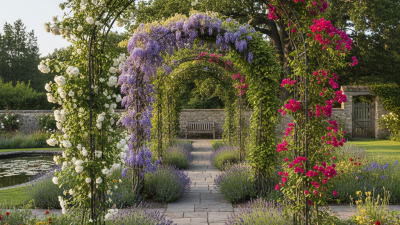
When it comes to cultivating beautiful rose bushes, a climbing frame can be an essential addition to your garden. There are various types of climbing frames designed specifically for supporting rose bushes, each offering distinct benefits. A trellis is one popular option, providing a simple yet elegant structure that allows your roses to climb and spread out, showcasing their vibrant blooms. Additionally, arbors and pergolas can create stunning focal points in your yard while offering the necessary support for climbing roses, enhancing the overall aesthetics of your space.
When choosing the right climbing frame for your rose bushes, consider the material and style. Wooden frames tend to blend seamlessly with natural landscapes, while metal options offer durability and support. Ensure that the frame is tall and sturdy enough to accommodate the growth of your roses. You might also want to select a frame with a design that allows for flexibility in planting different varieties of roses, adding texture and color to your garden.
**Tips:** Make sure to install your climbing frame before the growing season begins. This way, the plants can take advantage of the support from the start. Regular pruning and training of the rose branches will help guide them onto the frame, ensuring a lush and organized display. Lastly, keep the climbing frame clean by removing any debris, which can help prevent disease and keep your roses thriving.
Maintenance Tips for Rose Bush Climbing Frames
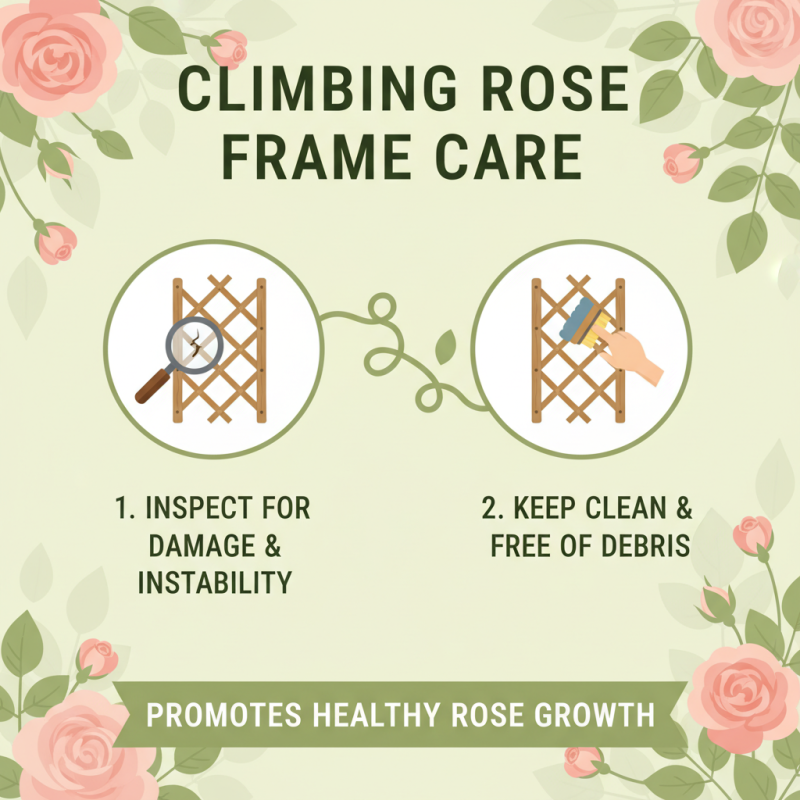
Maintaining a rose bush climbing frame is essential for promoting the health and growth of your climbing roses. Firstly, regular inspection of the frame is crucial. Look for any signs of damage or instability in the structure, as these can impede the growth of the plants. Additionally, ensure that the frame remains clean and free from debris. Accumulated dirt and leaves can harbor pests and diseases, which may negatively impact the roses.
Another important aspect of maintenance is pruning. Properly pruning your climbing roses not only encourages new growth but also helps maintain the shape of the bush. It's advisable to remove any dead or diseased wood and to train new growth onto the frame. This not only enhances airflow but also allows sunlight to penetrate the foliage, which is vital for photosynthesis. Furthermore, applying a suitable mulch around the base of the frame can help retain moisture and provide nutrients, fostering a more vibrant display of blooms as the climbing roses flourish.