Ultimate Guide to Choosing the Best Obelisk Trellis for Your Garden in 2025
In the ever-evolving landscape of garden design, the Obelisk Trellis has emerged as a favored choice for both amateur gardeners and seasoned horticulturists. This unique structure not only enhances the aesthetic appeal of outdoor spaces but also serves a practical purpose in supporting climbing plants, making it a multifunctional addition to any garden. According to renowned gardening expert Dr. Emily Hart, “An Obelisk Trellis is not just a support for plants; it's a statement piece that adds vertical interest and elegance to garden designs.”
As we delve into the ultimate guide for selecting the best Obelisk Trellis in 2025, we will explore crucial considerations, including materials, sizes, and styles that align with diverse gardening needs. The right Obelisk Trellis can transform a simple garden plot into a lush, vertical tapestry, enriching the garden experience. Whether you aim for a modern look or a classic touch, understanding the nuances of these trellises will empower you to make informed decisions that elevate your gardening endeavors. Join us as we navigate through the options and insights, ensuring your garden thrives in beauty and productivity.
Understanding the Function and Benefits of Obelisk Trellises in Gardening
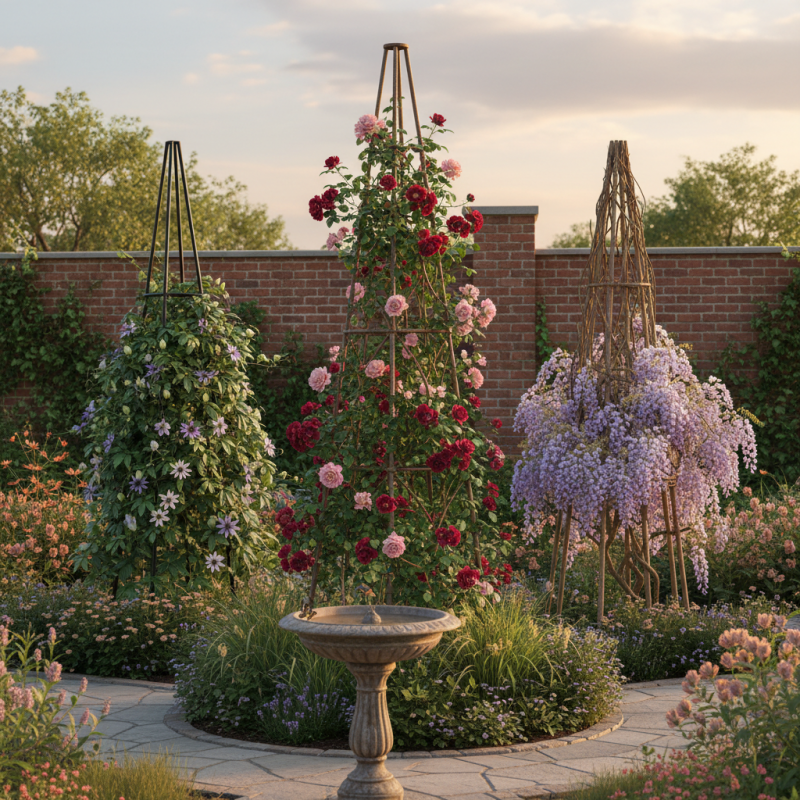
Obelisk trellises are an invaluable addition to any garden, providing both functional and aesthetic benefits. By creating vertical space, these structures enable gardeners to grow climbing plants like peas, beans, and flowering vines, which can be particularly useful in smaller gardens. The vertical design not only maximizes the area available for planting but also enhances air circulation and sunlight exposure for the plants, leading to healthier growth. As climbing plants vine up an obelisk, they create a stunning visual focal point that draws the eye and adds depth to garden landscapes.
Beyond their role in supporting plant growth, obelisk trellises also help maintain organization within the garden. With the help of these structures, plants can be trained to grow upwards rather than sprawling on the ground, which can reduce the risk of disease and pest infestations that thrive in dense, crowded conditions. Moreover, obelisks can serve as natural dividers or screens, creating distinct areas within the garden and providing privacy while allowing for light and air to flow through. Overall, the integration of obelisk trellises into your gardening plans not only enhances the beauty of your outdoor space but also contributes to a healthier, more manageable garden ecosystem.
Types of Obelisk Trellises: Materials and Designs to Consider in 2025
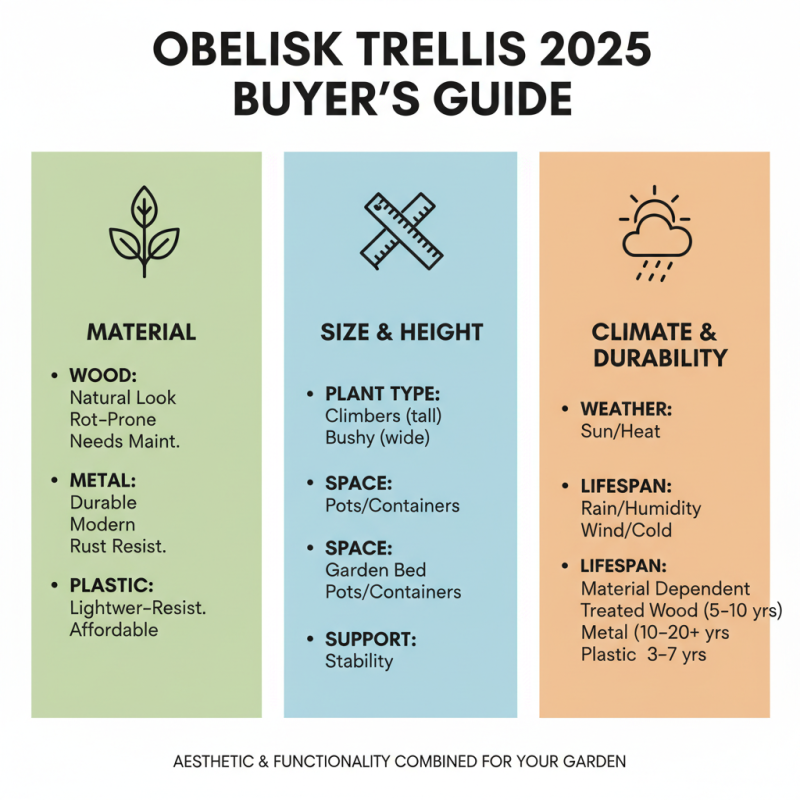
When considering obelisk trellises for your garden in 2025, the variety of materials available can greatly influence both aesthetics and functionality. Wooden trellises, often made from cedar or redwood, provide a classic look that can seamlessly blend into a natural garden setting. Their sturdy construction makes them ideal for supporting heavier climbing plants like roses and clematis. However, they may require annual maintenance such as sealing or staining to protect against weather-related wear. On the other hand, metal trellises, often crafted from wrought iron or aluminum, offer a more modern and sophisticated appearance. They are generally more durable and resistant to the elements but can reach high temperatures in direct sunlight, which may impact your plants.
In addition to material choices, various designs of obelisk trellises are available to suit different garden styles. Traditional designs may feature ornate scrollwork that adds a touch of elegance, while minimalist styles tend to focus on clean lines and geometric shapes for a contemporary look. Some designs even incorporate vertical gardens or integrated planters, allowing for a more functional use of space in smaller outdoor areas. Choosing the right design not only enhances the visual appeal of your garden but also serves to complement and elevate the climbing plants you intend to nurture, ensuring a harmonious blend of beauty and utility.
Obelisk Trellis Material Popularity in 2025
Key Factors to Evaluate When Choosing an Obelisk Trellis for Your Plants
When selecting the best obelisk trellis for your garden in 2025, there are several key factors to consider that can significantly impact both the aesthetic appeal and functionality of your plant support system. First, assess the material of the trellis. Options like wood, metal, and plastic all have unique benefits and drawbacks. Wood tends to blend beautifully with natural landscapes but may require regular maintenance to prevent rot. Metal offers durability and modern aesthetics, while plastic is lightweight and weather-resistant, making it a practical choice for various climates.
Another crucial factor is the height and design of the obelisk. Tall trellises are perfect for climbers like peas and beans, providing ample support for growth. Consider your garden space; a more intricate design can serve as a focal point, enhancing visual interest. Additionally, ensure that the base is stable enough to withstand strong winds and the weight of mature plants.
**Tips**: Always measure the space where you intend to place the obelisk to ensure a proper fit. When purchasing a trellis, look for models that are easy to assemble and disassemble, especially if you plan to relocate your plants or garden layout seasonally. Finally, consider the overall style of your garden; your trellis should harmonize with existing plants and landscaping features to create a cohesive look.
How to Properly Install and Maintain Your Obelisk Trellis for Longevity
To ensure your obelisk trellis remains a stunning focal point in your garden for years to come, proper installation and maintenance are key. Begin by selecting a suitable location that receives adequate sunlight while providing enough space for climbing plants. Dig a hole deep enough to secure the base firmly, ensuring the trellis won’t topple over as your plants grow and mature. If your obelisk is particularly tall, consider adding stability by using stakes or anchoring it securely in the ground.
Once your obelisk trellis is installed, regular maintenance will help it remain in optimal condition. Periodically check for any signs of wear, such as rust on metal structures or rot on wooden ones, and address these issues promptly to prevent further damage. Pruning climbing plants is essential as well; this will promote healthy growth and reduce the risk of pests. Additionally, consider reinforcing the structure annually, ensuring that it provides the necessary support for any vigorous vines. By adhering to these maintenance practices, your obelisk trellis can enhance your garden's beauty for many seasons ahead.
Ultimate Guide to Choosing the Best Obelisk Trellis for Your Garden in 2025
| Feature |
Description |
Benefits |
Maintenance Tips |
| Material |
Wood, Metal, Vinyl |
Durability and aesthetics |
Regular inspections and treatments |
| Height |
4 to 8 feet |
Supports climbing plants effectively |
Stabilize if top-heavy |
| Design |
Traditional, Modern, Decorative |
Enhances garden aesthetics |
Clean with gentle soap and water |
| Installation |
Requires minimal tools |
Quick setup |
Ensure proper anchoring |
| Plants Suitable |
Clematis, Roses, Beans |
Maximizes vertical space |
Train plants regularly |
Creative Ideas for Incorporating Obelisk Trellises in Various Garden Styles
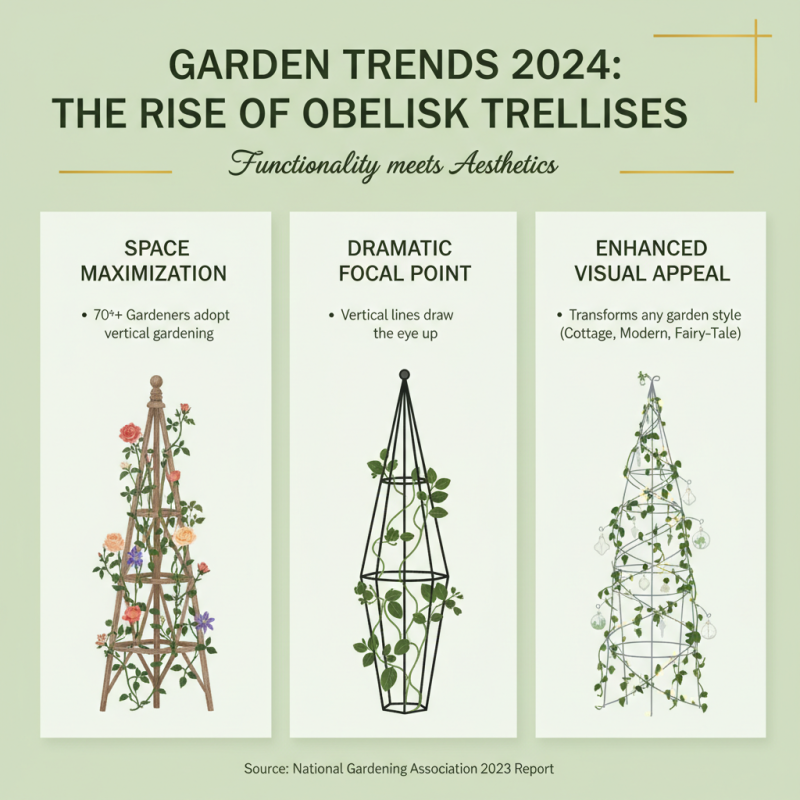
Obelisk trellises are gaining popularity in garden design as they offer both functionality and aesthetic appeal. According to the National Gardening Association's 2023 report, over 70% of gardeners are adopting vertical gardening techniques to maximize space and enhance their garden's visual interest. An obelisk trellis can serve as a dramatic focal point, creating vertical lines that draw the eye upward and provide a stunning backdrop for climbing plants. Incorporating these structures into various garden styles can enhance the overall theme, whether you're aiming for a rustic cottage garden, a sleek modern space, or a whimsical fairy-tale atmosphere.
In a cottage garden setting, pairing obelisk trellises with fragrant climbing roses or clematis can create an enchanting visual that resonates with the romantic charm of traditional gardens. Modern designs might favor minimalistic trellises made from metal or wood, adorned with geometric shapes and accented by contemporary plants like silver lace vine. Furthermore, in a more eclectic garden style, colorful painted trellises can serve to highlight vibrant climbing plants, adding layers of texture and color. The versatility of obelisk trellises enables gardeners to experiment with different plant combinations, ensuring that their outdoor spaces remain dynamic and visually captivating throughout the seasons.