How to Choose the Best Tomato Stakes in 2026?
Choosing the right Tomato Stakes in 2026 is more practical than simply picking the tallest support. A healthy tomato plant may carry dozens of heavy fruits, especially after rain softens the soil. Weak stakes can bend, lean, or collapse without warning. That happened in my own garden once. The lesson was expensive, but useful.
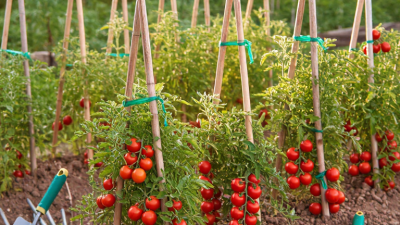
This guide examines stake height, thickness, material, anchoring, and long-term value. Metal stakes offer strength and repeated use, while treated wood can provide a warmer, traditional appearance. Bamboo is lightweight and affordable, though it may split or decay sooner. The best choice depends on plant variety, container size, local wind, and how often you can tie new growth. Indeterminate tomatoes usually need taller support than compact determinate types. A two-foot stake may look adequate in April, then become useless by midsummer.
Reliable advice should consider more than product labels. We will compare real garden conditions, including wet soil, crowded beds, sharp edges, and awkward access between plants. Safety matters too. Smooth surfaces reduce stem damage, while secure anchoring protects nearby plants and people. Some recommendations may not suit every garden. That is worth admitting. A premium stake is not automatically better, and the cheapest option can create extra work. By examining practical evidence and common mistakes, this guide aims to help gardeners choose Tomato Stakes with greater confidence and fewer regrets.
Classify Tomato Varieties by Growth Habit, Height, and USDA Climate Zone
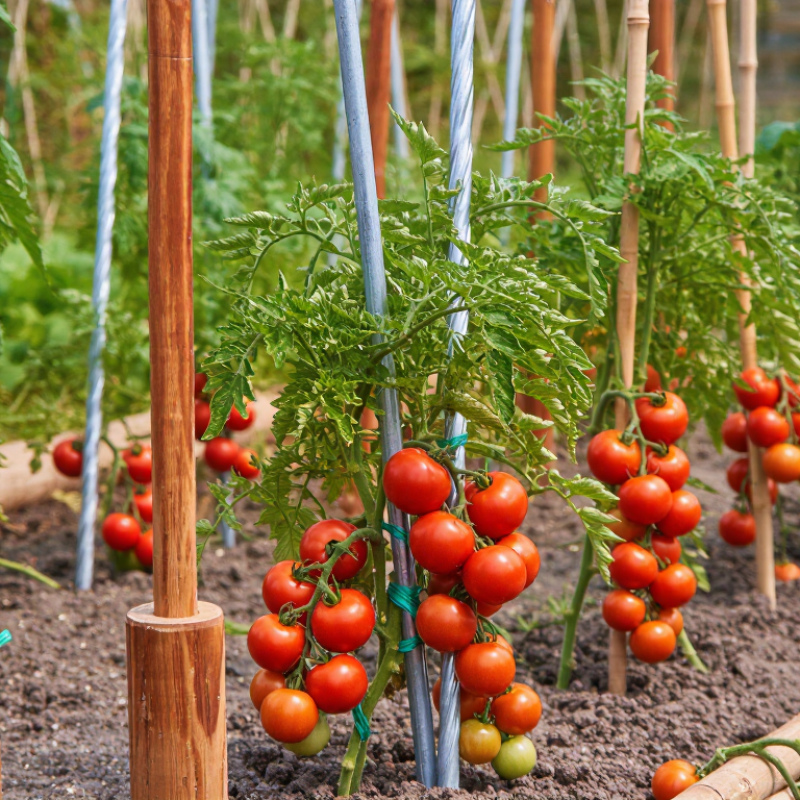
Choosing tomato stakes in 2026 starts with the plant, not the garden aisle. Classify each variety by growth habit. Determinate tomatoes stay compact and set fruit within a short window. They often need stakes 90–150 centimeters tall. Indeterminate varieties keep extending through the season. Give them 180–240 centimeter stakes, with regular ties and firm anchoring. Dwarf and patio types may manage with 60–90 centimeter supports. Check the seed packet, then observe the plant. Labels can be imperfect.
USDA climate zones change the support decision indirectly. In Zones 3–5, short seasons and sudden wind favor sturdy stakes installed early. Leave room for frost protection. Zones 6–8 usually support longer growth, especially for indeterminate vines. A taller stake prevents fruit-heavy stems from bending. In Zones 9–11, intense heat can increase watering stress. Use wider spacing and deep anchoring, because dry soil holds stakes poorly. Coastal gardens need extra attention. Salt air and wind can weaken ties quickly.
A stake should be thick enough to resist bending, but not so heavy that it damages roots. Place it 15–20 centimeters from the main stem before the roots spread. Soft ties protect stems from abrasion. I once used a stake that looked tall enough, yet the upper growth folded after heavy rain. That mistake showed me that height alone is not strength. Recheck supports after storms, rapid growth, and the first heavy fruit set.
How to Choose the Best Tomato Stakes in 2026?
Classify tomato varieties by growth habit, mature height, and USDA climate zone before selecting a stake. The chart compares typical mature plant height with a practical stake height.
Determinate tomatoes usually stay compact and work well with 3–5 ft stakes. Indeterminate varieties continue growing throughout the season and generally need 6–8 ft stakes or a trellis. Dwarf tomatoes are suitable for containers and typically need 2–4 ft supports. Tomatoes are warm-season annuals commonly grown in USDA Zones 3–11; in cooler zones, they need protection from frost and a longer growing season.
Choose Stake Height: 4–8 ft for Indeterminate, 2–4 ft for Determinate
How to Choose the Best Tomato Stakes in 2026?
Choose Stake Height: 4–8 ft for Indeterminate, 2–4 ft for Determinate
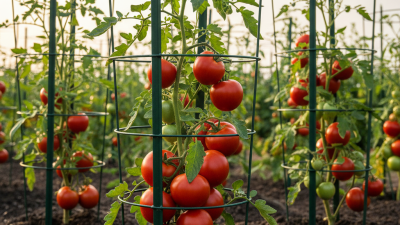
Choosing the right stake height starts with tomato growth habits. Indeterminate tomatoes keep producing leaves, flowers, and fruit until frost. They often need stakes between 4 and 8 feet tall. A six-foot stake suits many gardens, but vigorous plants may outgrow it. Determinate tomatoes stop growing after reaching a fixed size. Their compact shape usually needs a 2–4-foot stake.
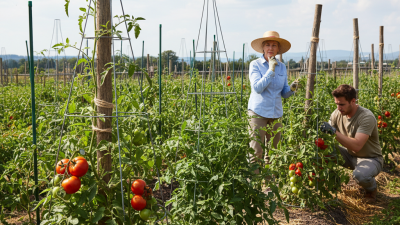
I have learned that height alone is not enough. A tall stake can still fail in loose soil or strong wind. Push at least 12 inches into firm ground before the plant becomes heavy. Place the stake soon after transplanting. Late installation may damage crowded roots. Tie stems with soft material, leaving room for natural movement. Check the plant label, because some varieties grow differently than expected.
Tips: Measure the mature plant, not the seedling. Add extra height for thick mulch or raised beds. For indeterminate plants, secure the main stem every 10–12 inches. For determinate plants, support the heaviest fruit clusters first. I sometimes choose a stake that is slightly too tall. It looks awkward early, but prevents emergency repairs later. Still, taller is not always better. A poorly anchored eight-foot stake can lean faster than a sturdy four-foot one.
Calculate Wind Stability with ASCE 7-22 Loads and 12–18 in Soil Depth
How to Choose the Best Tomato Stakes in 2026?
Wind stability deserves more attention than stake height. ASCE 7-22 provides wind-load methods for buildings and other structures, not a tomato-specific design. Still, its framework helps estimate outdoor forces. Use the basic wind speed for your location, exposure category, height, gust factor, and projected plant area.
A simplified pressure relationship is q = 0.00256 Kz Kzt Kd V² in U.S. customary units. Multiply pressure by the plant’s effective area and a suitable force coefficient.
A mature tomato plant can behave like a small, flexible sail. Wet leaves increase weight, while dense foliage catches stronger gusts. I measure the plant’s widest canopy, not only the stem. My first layout was too optimistic; sheltered conditions did not match an open garden after summer pruning. That mistake changed my spacing and bracing choices. Use thicker stakes or paired supports where calculated force rises.
Soil depth matters just as much. Set stakes 12 to 18 inches into firm, undisturbed soil, depending on wind exposure and plant size. Loose, recently watered soil offers less reliable resistance. Tamp the soil around the stake, then check movement after heavy rain. A stake may survive the wind while the soil fails around it. In sandy ground, deeper embedment or a cross-support may be necessary. For coastal, elevated, or unusually exposed sites, a qualified structural professional should review the assumptions and local wind data.
Rank 2026 Value by Reuse Cycles, Corrosion Resistance, and Cost per Season
Choosing tomato stakes in 2026 means judging a whole growing cycle, not just shelf price. In my garden, a cheap, thin stake often bends after one storm. A stronger stake costs more upfront but may serve five seasons. I record purchase price, usable years, and replacement losses. This simple log gives a clearer value picture.
Reuse cycles matter because tomato plants place heavy, uneven pressure on supports. Steel stakes with durable protective coatings usually resist rust better than untreated steel. However, chipped coating can expose metal near wet soil. Fiberglass and heavy-duty plastic avoid rust, yet sunlight can make some materials brittle. Check each stake after cleaning, especially around ties and buried sections. I prefer designs that dry quickly and store without trapped soil.
Calculate cost per season by dividing the purchase price by realistic reuse cycles, then add replacement costs. A 12-dollar set lasting four seasons costs 3 dollars per season. A 7-dollar set failing after one season costs more in practice. That math can be imperfect. Weather, soil moisture, and handling change results. I once overestimated a stake’s lifespan because its top looked new. The buried section had already weakened. Choose diameter and length for the plant, not only the label. Leave enough height for pruning, fruit weight, and wind movement.
How to Choose the Best Tomato Stakes in 2026? — Ranking 2026 Value by Reuse Cycles, Corrosion Resistance, and Cost per Season
| Value Rank |
Generic Stake Type |
Typical Unit Price
(USD) |
Expected Reuse Cycles
(Seasons) |
Corrosion / Weather Resistance |
Estimated Cost per Season
(USD) |
Recommended Use |
| 1 |
Fiberglass Stake |
$4–$10 |
8–15 |
Excellent
Does not rust; may become brittle after prolonged UV exposure |
$0.27–$1.25 |
Long-term use in humid climates and vegetable gardens |
| 2 |
Hot-Dip Galvanized Steel Stake |
$3–$7 |
5–10 |
Very Good
Zinc coating protects steel; cut edges and scratches can rust |
$0.30–$1.40 |
Strong support for tall or heavily loaded tomato plants |
| 3 |
Recycled Plastic Stake |
$3–$8 |
5–10 |
Excellent
Rust-free; quality varies with UV stabilizers and cold-weather toughness |
$0.30–$1.60 |
Wet soil, raised beds, and low-maintenance gardens |
| 4 |
Pressure-Treated Wood Stake |
$2.50–$5 |
3–5 |
Good
Resists decay better than untreated wood but can split or weather over time |
$0.50–$1.67 |
Budget-conscious gardens needing a natural appearance |
| 5 |
Powder-Coated Steel Stake |
$4–$9 |
4–8 |
Very Good
Coating limits rust; exposed chips and scratches require attention |
$0.50–$2.25 |
Decorative installations and moderate-to-heavy plant loads |
| 6 |
Bamboo Stake |
$1–$3 |
1–2 |
Limited
Natural material can absorb moisture, crack, or decay without drying and storage |
$1.00–$3.00 |
Single-season gardens and lightweight tomato varieties |
| 7 |
Untreated Wood Stake |
$1.50–$3 |
1–2 |
Limited
Prone to soil moisture, fungal decay, splitting, and insect damage |
$1.50–$3.00 |
Temporary support or very low-cost seasonal planting |
Methodology: Figures are typical 2026 planning ranges for stakes used outdoors for one growing season in ordinary garden conditions. Estimated cost per season is calculated by dividing the typical unit price by the expected reuse cycles and excludes shipping, labor, clips, ties, and replacement damage. Actual service life depends on stake thickness, soil moisture, wind exposure, UV exposure, cleaning, and winter storage. “Corrosion resistance” refers to rust resistance for metal stakes and comparable weather durability for non-metal materials.