How to Choose the Best Plastic Garden Trellis for Your Garden?
When it comes to enhancing your garden's aesthetics, a Plastic Garden Trellis can be a game changer. Jessica Green, a renowned gardening expert, emphasizes its importance: “A good trellis provides support and beauty, transforming any space.” Choosing the right trellis can elevate both the functionality and design of your garden.
Consider the material, design, and size of the trellis. Plastic garden trellises are lightweight and resistant to weather changes, making them a practical choice. They come in various styles, from simple grids to elaborate structures. However, not all plastic trellises offer the same durability. Some may fade or crack over time, which can be frustrating.
Take the time to explore different options. Ensure that the trellis fits seamlessly into your garden's theme. A well-chosen Plastic Garden Trellis can create a stunning backdrop for climbing plants. It can also provide essential support to your blooms. Reflect on your garden's needs before making a decision. A thoughtful choice today will yield beauty for years to come.
Understanding the Purpose of a Plastic Garden Trellis in Gardening
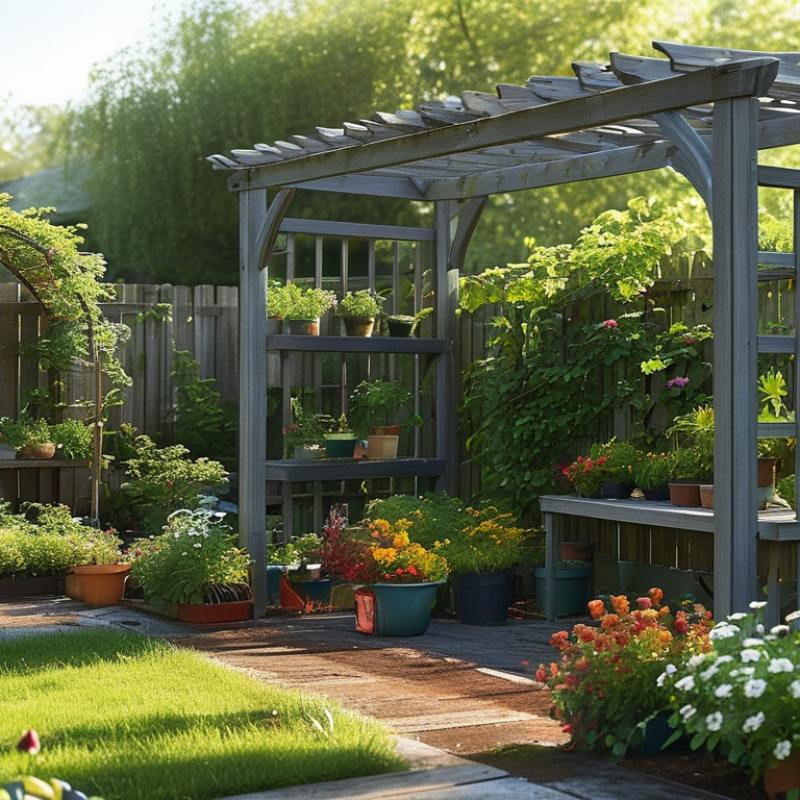
A plastic garden trellis serves multiple purposes in gardening. It supports climbing plants like tomatoes, cucumbers, and ivy. By providing vertical support, it helps maximize space in smaller gardens. This can be particularly important if you're dealing with limited square footage. When plants grow upward, they receive better sunlight and airflow, which boosts their health.
Another function of a plastic trellis is to act as a decorative element. A well-placed trellis can enhance the overall aesthetic of your garden. You can choose designs that fit your style, whether modern or traditional. However, it's essential to consider the durability of materials as some plastics can degrade over time.
A plastic garden trellis is lightweight, making it easy to install and relocate. But be cautious; it may not withstand strong winds or heavy loads like wooden or metal options. Reflect on your garden's needs and the environment before making a choice. Do you want something that stands out, or blends in? It’s worth considering all these factors before purchasing.
Evaluating Material Quality and Durability of Plastic Trellises
When selecting the best plastic garden trellis, the material quality is paramount. Plastic trellises come in various types, with varying durability. Look for UV-resistant options. They can withstand sun exposure without fading. The thickness of the plastic also matters. Thicker materials offer better support.
Additionally, consider how the trellis will hold up against the elements. Rain, snow, and wind can strain a trellis. Some plastics may become brittle over time. Atmospheric conditions can affect performance. Pay attention to the weight of the plants you intend to grow. A weaker trellis might bend or break under heavy loads.
Testing the durability before purchase can avoid regrets later. In-store assessments can help. Check for any visible defects. Read reviews to identify common issues and experiences. Gathering insights from other users can provide a reality check. It's important to balance aesthetics with functionality, too. A beautiful trellis should withstand the test of time.
Considering Size and Shape for Your Garden Space
When selecting a plastic garden trellis, the size and shape must align with your space. A trellis that is too large can overwhelm a small garden, while a too-small trellis may leave large, empty areas. According to a report from the National Gardening Association, about 45% of gardeners adjust plants according to available space. This insight emphasizes the importance of proper dimensions.
Consider the height and width of your plants. Vines or climbing flowers need room to spread. A standard height for a trellis is 6 to 8 feet. However, smaller gardens often benefit from shorter trellises. Additionally, the shape – whether rectangular or fan-shaped – can affect light exposure. A garden study indicates that plants grow 30% better with increased sunlight. Understanding your garden's layout will help in choosing the ideal trellis.
It’s not always easy to find the perfect match. Many gardeners struggle to balance aesthetics with functionality. While one may aim for a visually pleasing structure, it might compromise the growth of plants. A carefully measured area can help visualize options. Yet, it's worth noting that personal preferences can also lead to suboptimal choices. Prioritize both form and function in your garden design.
Exploring Different Styles and Designs of Plastic Trellises
When choosing a plastic garden trellis, it's essential to explore various styles and designs. Plastic trellises come in different shapes, sizes, and colors, tailoring options to diverse gardening needs. According to a recent industry report, plastic trellises account for over 25% of the market share in garden accessories, indicating their increasing popularity due to their durability and low maintenance.
For a modern garden, a geometric design may provide a sleek aesthetic. Alternatively, more traditional styles like lattice trellises can add charm while supporting climbing plants. Notably, lightweight plastic trellises allow for easier repositioning, which could be beneficial for certain growing conditions. However, users should be mindful that some designs might lack the sturdiness needed for heavier plants.
**Tip:** Consider the height of your chosen trellis. Taller trellises can give climbers ample space but may require additional support for stability.
Some gardeners find that choosing a color that complements plant foliage and flowers enhances the garden's visual appeal. It's worth noting that plastics can fade over time, so selecting UV-resistant materials is a wise choice.
**Tip:** Test different designs in your garden to see which styles best suit your space and plant varieties. Experimenting with various trellis designs can lead to beautiful and functional outcomes.
Garden Trellis Styles and Their Popularity
Assessing Cost and Maintenance Requirements of Garden Trellises
When selecting a plastic garden trellis, considering cost and maintenance is vital. A report from the National Gardening Association reveals that over 60% of backyard gardeners prioritize durable materials and low maintenance costs. Plastic trellises are often marketed as lightweight and easy to assemble. However, many homeowners overlook potential hidden costs. Over time, cheaper options may require replacements due to fading or damage caused by harsh weather.
Maintenance needs can vary. Some plastic trellises fade quickly under intense sunlight, while others may crack in extreme cold. Regular inspection is recommended. A study from the Garden Retailers Association shows that most gardeners spend an average of 20 hours annually on garden upkeep. Allocating some of that time for checking trellis integrity can extend its life significantly.
Choosing a trellis that resists UV damage can minimize these costs. While some might initially choose a less expensive option, the long-term savings from avoiding replacement can be significant. Consider the aesthetic appeal alongside longevity. A beautiful trellis can enhance a garden's look, but it should withstand environmental challenges. Balancing these factors leads to a more satisfying gardening experience.
How to Choose the Best Plastic Garden Trellis for Your Garden? - Assessing Cost and Maintenance Requirements of Garden Trellises
| Type of Trellis |
Material |
Cost ($) |
Durability (Years) |
Maintenance Level |
| Classic Plastic Trellis |
PP (Polypropylene) |
25 |
5 |
Low |
| Decorative Plastic Trellis |
PVC (Polyvinyl Chloride) |
40 |
10 |
Medium |
| Expandable Plastic Trellis |
HDPE (High-Density Polyethylene) |
30 |
7 |
Low |
| Vinyl Trellis |
Vinyl |
50 |
15 |
Very Low |