How to Choose the Best Plastic Garden Trellis for Your Plants?
When it comes to enhancing your garden, a Plastic Garden Trellis can be an attractive and functional addition. These structures provide support for climbing plants, allowing them to grow upwards and maximize space. This is particularly beneficial for small gardens or patio areas where floor space is limited.
Choosing the right Plastic Garden Trellis isn't always straightforward. The market offers various styles, sizes, and materials. Some trellises may not hold up against the elements, while others might be too cumbersome for delicate plants. A well-chosen trellis not only supports your plants but also complements your garden's aesthetic. Reflecting on these aspects can lead to both successes and mistakes in your gardening journey.
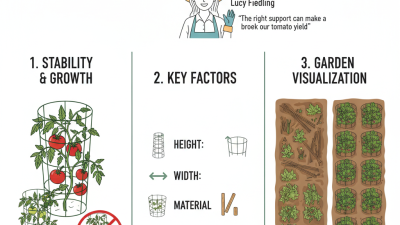
Selecting a trellis involves understanding your plants' needs and your garden's layout. Consider the height and width of your chosen trellis. A trellis that is too small may fail to support vigorous growth. If you rush this decision, you may face future challenges that could have been easily avoided. It's a reflection of the careful planning and thought required for a thriving garden.
Factors to Consider When Selecting a Plastic Garden Trellis
When selecting a plastic garden trellis, it’s crucial to consider several factors. The height and width of the trellis should match the climbing plants you have. Some plants grow tall and require more support. Others may need only a small structure. Measure your plants and garden space carefully.
Material quality is another important aspect. Not all plastic is created equal. Look for UV-resistant options. These will withstand sun exposure better over time. Thinner plastics can bend or break easily. It’s worth investing in thicker, sturdier options, though they may be pricier.
Don’t overlook the style and color. A trellis that blends with your garden can enhance its beauty. Choose a design that complements your flowers. However, sometimes compromises must be made. If the perfect design is too weak, prioritize strength. Balancing aesthetics with functionality is key.
Types of Plastic Garden Trellises Available in the Market
When selecting a plastic garden trellis, understanding the different types available is crucial. One common type is the grid trellis. This trellis features a simple square or diamond pattern. It is ideal for climbing plants like peas or beans. Grid trellises provide adequate support. However, they can be less appealing in design.
Another popular option is the panel trellis. These trellises come in larger sections, often with beautiful designs. They can enhance your garden decor while supporting heavier plants. A panel trellis can sometimes be bulky and take up space. However, they add elegance to your landscape.
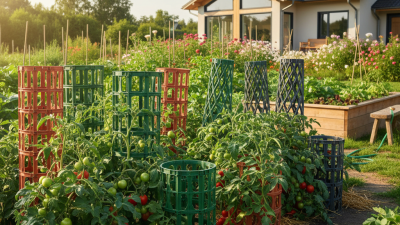
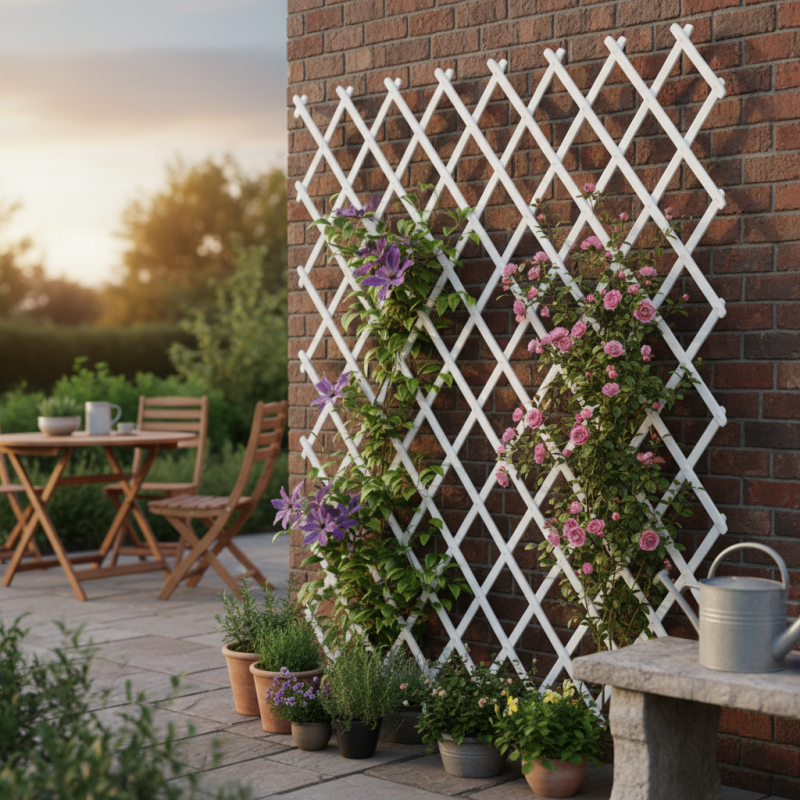
Vertical garden trellises are also gaining popularity. These are often slim and fit snugly against walls. They are perfect for small gardens or patios. Plants like tomatoes and cucumbers can thrive on them. Though effective, they may require regular maintenance to prevent wear and tear from the elements. Exploring these different types can help you choose wisely.
Assessing Durability and Weather Resistance of Plastic Trellises
When selecting a plastic garden trellis, it's crucial to assess its durability and weather resistance. A trellis should withstand varying weather conditions, from intense sun to heavy rains. Look for materials that are UV-resistant. This quality ensures the trellis won’t degrade quickly under sunlight. Consider the thickness of the plastic. Thicker materials generally provide better strength and longevity.
Pay attention to the construction quality too. Some trellises may look appealing but lack stability. Test its sturdiness by applying gentle pressure. It’s useful to check for reviews or feedback from other gardeners. They can provide insights into how any specific plastic trellis holds up over time.
Occasionally, you might find that a seemingly durable trellis begins to warp or lose form after a season. This can be frustrating, leading to unanticipated replacements. Reflecting on these experiences can help identify the specific features that matter most, ensuring future choices are more informed. Plastics may offer lightness, but they shouldn't compromise on reliability.
Durability and Weather Resistance of Plastic Garden Trellises
Height and Design Options for Effective Plant Support
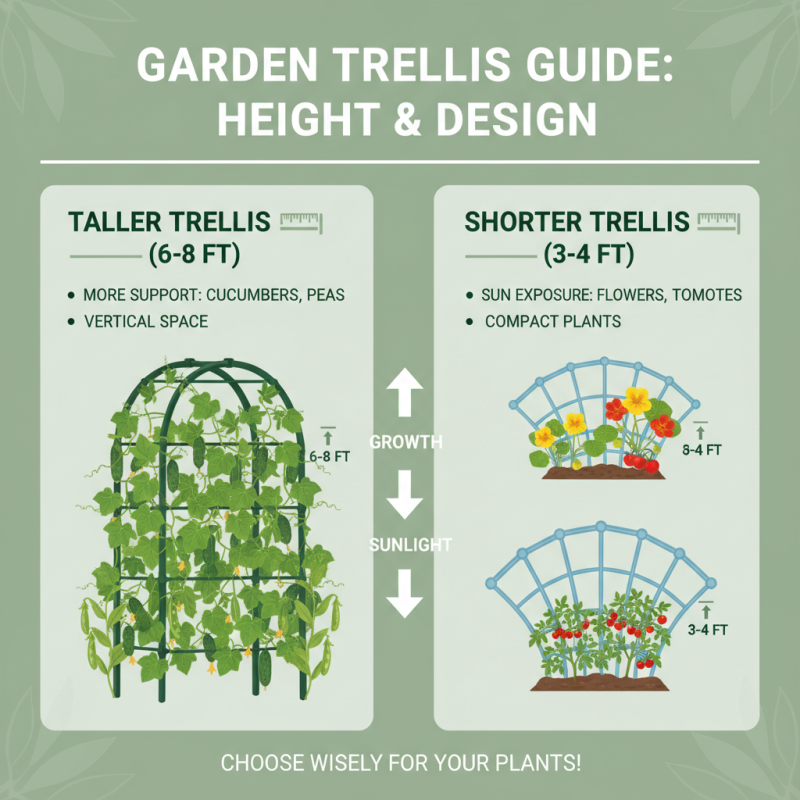
When selecting a plastic garden trellis, height and design are key factors. Taller trellises provide more support for climbing plants. They can help create vertical spaces in small gardens. A height of 6 to 8 feet is often ideal for common vining plants like cucumbers or peas. However, a shorter trellis might be better for compact veggies or flowers, ensuring they receive ample sunlight.
Design is equally important. Some trellises feature intricate patterns that add charm to your garden. Others are simple and functional, focusing solely on support. You might want to consider adjustable designs. These can adapt as your plants grow, offering flexibility in various scenarios. Remember to reflect on your garden's overall style when choosing a design. Balancing aesthetics with practicality can lead to unexpected challenges. The right choice might not always be obvious, and revisiting your options can be beneficial.
Budgeting: Finding Cost-Effective Plastic Trellises for Your Garden
When budgeting for plastic garden trellises, it’s important to assess your needs carefully. Consider your plants’ growth habits. Climbing vines or heavy fruit plants will need sturdier options. A flimsy trellis may not support your plants well, leading to wasted money.
Shopping around can reveal some cost-effective choices. Local garden centers often offer sales during the off-season. Online retailers may provide discounts or even free shipping. Compare prices across several sources to get the best deal.
Also, think about size and design. Larger trellises may cost more but can support multiple plants. Simpler designs usually mean lower costs. Look for versatile trellises that fit various plants. A well-planned budget helps avoid impulse buys, leading to better long-term choices.
How to Choose the Best Plastic Garden Trellis for Your Plants?
| Type of Trellis |
Material |
Height (ft) |
Width (ft) |
Price ($) |
Best Plants |
| Arched Trellis |
Plastic |
6 |
3 |
25 |
Cucumbers, Peas |
| Flat Panel Trellis |
PVC |
5 |
4 |
30 |
Tomatoes, Beans |
| Lattice Trellis |
Polypropylene |
4 |
2 |
15 |
Climbing Roses, Sweet Peas |
| U-Shaped Trellis |
Recycled Plastic |
7 |
5 |
40 |
Grapes, Vines |