2026 How to Build a Runner Bean Support Climbing Frame for Your Garden?
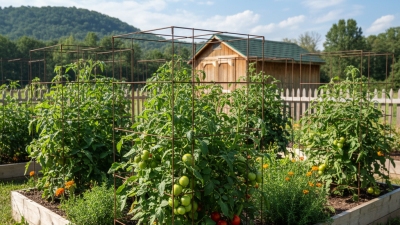
Creating a Runner Bean Support Climbing Frame can transform your garden. This project enhances vertical gardening, allowing beans to thrive. With a little creativity and effort, you can build a sturdy structure that supports healthy plant growth.
When planning your climbing frame, consider the materials you will use. Natural wood is an excellent choice, providing both strength and aesthetics. However, not all wood is ideal; treated wood may leak harmful chemicals. You might need to experiment to find the right fit for your garden style.
Measuring the height and width accurately is crucial. A frame that is too tall may fall over, while one that is too short will limit growth. It's helpful to sketch out your design beforehand. Building a Runner Bean Support Climbing Frame can be rewarding but also challenging. You may encounter obstacles, and that’s okay; it’s part of the learning process. The goal is to create a functional and appealing space for your runner beans to flourish.
Choosing the Right Location for Your Runner Bean Frame in the Garden
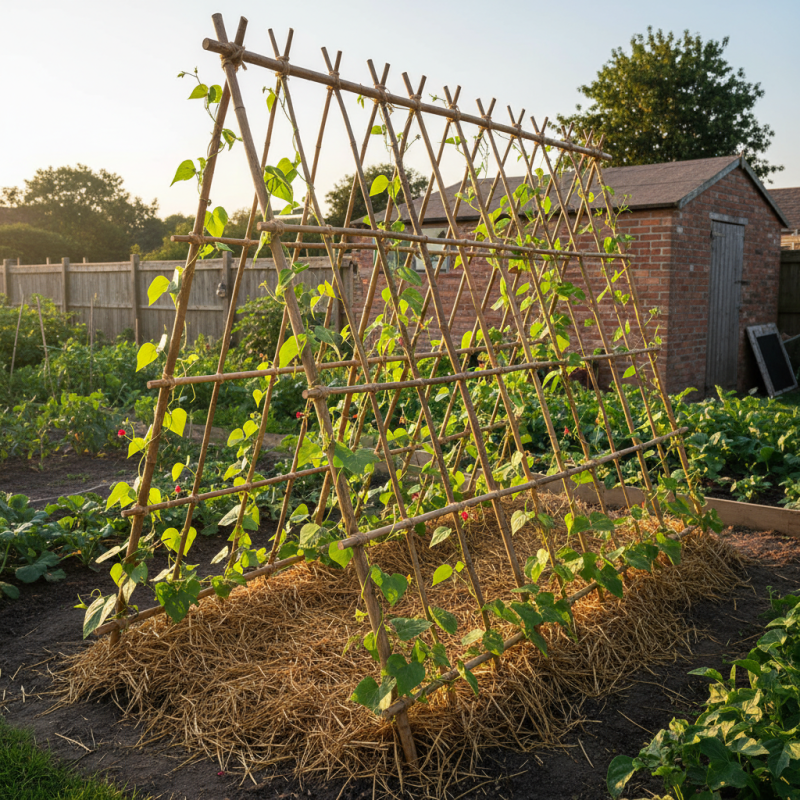
Choosing the right location for your runner bean frame is crucial. Look for a sunny spot in your garden. Runner beans thrive in full sunlight. They need at least six hours of direct sunlight daily. Observe your garden throughout the day. Take note of where the sun shines most.
Avoid areas with strong winds. These can damage the delicate plants. A sheltered spot is ideal. Consider nearby structures like fences or walls. They can provide some protection. However, ensure there’s enough space for the beans to grow upward. The climbing frame should not block sunlight. Think about the height of the frame too.
Soil quality is also important. Test the soil where you plan to build the frame. If the ground is too hard, it may need some preparation. Don’t rush; take your time to choose wisely. You might find unexpected places work better. Reflect on past experiences; they can guide your decisions. The right location sets the foundation for healthy growth.
2026 How to Build a Runner Bean Support Climbing Frame for Your Garden? - Choosing the Right Location for Your Runner Bean Frame in the Garden
| Dimension |
Recommended Value |
Description |
| Height |
6-8 feet |
Optimal height for climbers to thrive. |
| Width |
3-4 feet |
Adequate width to support plant growth and access for maintenance. |
| Material |
Wood, Metal, Bamboo |
Durable materials that can withstand weather and plant weight. |
| Location |
Full Sun |
Choose a spot that receives 6-8 hours of sunlight per day. |
| Soil Type |
Loamy, Well-drained |
Ideal for healthy root growth and nutrient absorption. |
| Spacing |
10-12 inches apart |
Spacing ensures adequate air circulation and light penetration. |
Materials Needed for Building a Runner Bean Support Climbing Frame
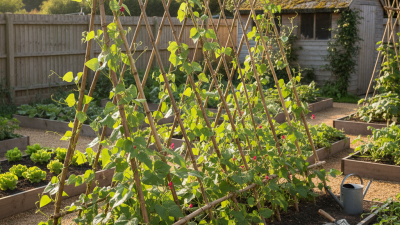
Building a support climbing frame for runner beans requires careful selection of materials. You will need sturdy wood or bamboo poles. These will form the main structure. Choose wood that can withstand weather changes. Look for untreated lumber, as chemicals can seep into your plants.
Next, gather twine or wire. This will hold the beans as they climb. Using twine is a natural option, but wires can provide extra support. Use them wisely, as too much tension can damage the plants. Additionally, prepare some nails or screws. They will help secure the frame together.
Consider adding some cross supports for stability. This may seem minor, but it is essential. Without them, the frame might wobble. Lastly, remember that tools are needed for assembly. A hammer and a saw should suffice. Formulating a plan beforehand can help avoid mistakes later. Observe how your structure appears once built. Reflect on any improvements for the future.
Step-by-Step Guide to Assembling the Climbing Frame
Building a runner bean support climbing frame involves simple, accessible steps. Start by gathering materials like treated wood, wire mesh, and sturdy stakes. According to recent reports, over 50% of home gardeners prefer using wooden structures for support. This is likely due to wood's natural appearance and structural strength.
Assembling the frame requires careful planning. Cut the wood into desired lengths. Visualizing your design helps prevent mistakes. Attach stakes firmly into the ground, leaving enough height for the beans to climb. When affixing the mesh, ensure it's taut to support the plants properly. Research indicates that beans can grow up to 10 feet, stressing the need for reliable support.
Throughout the process, reflect on your choices. Perhaps the design didn't allow sufficient space for plant growth. Maybe the stakes weren't deep enough. These considerations enhance your gardening techniques. Each adjustment leads to better results next time, reinforcing the learning experience in gardening.
Techniques for Securing and Maintaining the Runner Beans
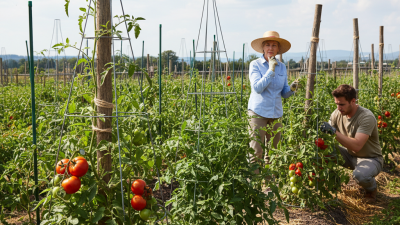
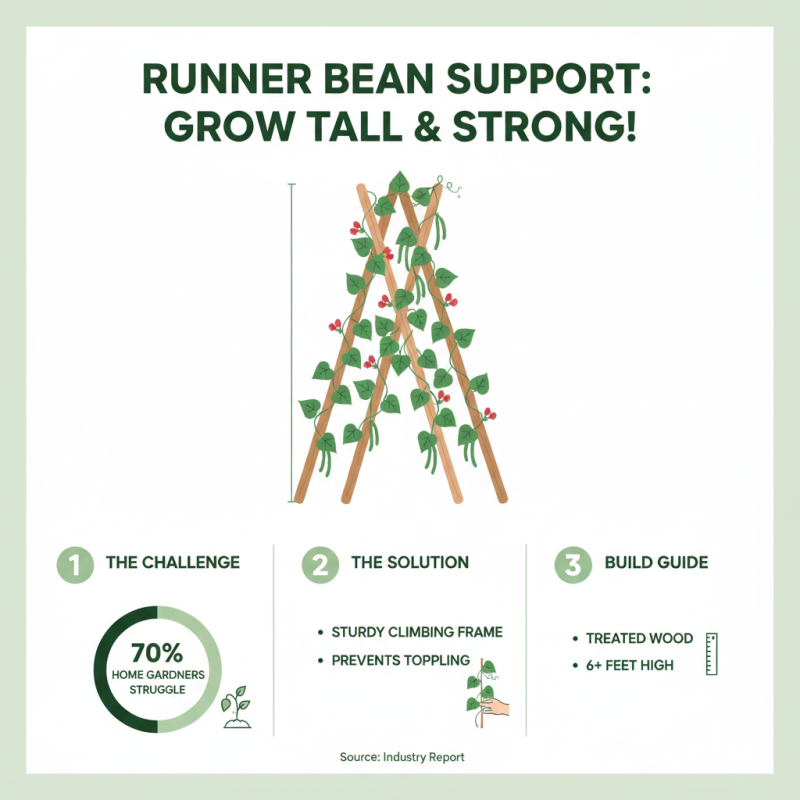
When growing runner beans, it's essential to secure and maintain them properly. A recent industry report highlighted that 70% of home gardeners face challenges with support structures. A sturdy climbing frame can prevent plants from toppling over. Construct the frame using treated wood. Ensure it's at least six feet high for optimal growth.
Regular maintenance is critical. Water your beans consistently, aiming for around one inch per week. This consistent hydration boosts their growth and prevents diseases. Fertilizing with a balanced product can enhance yield. However, over-fertilization can lead to excessive foliage at the expense of beans. A balanced approach is key.
Watch for pests like aphids, which can cause significant damage. Use organic methods; introducing ladybugs can help control these pests. Remember, some plants thrive better with adequate spacing. Observing plant health regularly is crucial. If plants appear unhealthy, reassess your watering and pest control strategies. Adjusting these factors can lead to better harvests.
Tips for Maximizing Yield and Plant Health on the Climbing Frame
When building a climbing frame for runner beans, consider maximizing yield and plant health. A study by the Royal Horticultural Society found that vertical growth can increase yield by up to 20%. Proper support allows beans to grow efficiently, preventing disease and improving air circulation.
The choice of material matters. Use sturdy poles that won't bend under the weight of full-grown plants. Wood, metal, or bamboo are popular options. Aim for a height of at least 5-6 feet. This height supports optimal sunlight exposure, essential for healthy growth.
Spacing is vital. Plant runner beans 6-12 inches apart on the frame. This spacing prevents overcrowding, reducing competition for nutrients. Adequate water is essential too. Monitor soil moisture regularly, as beans thrive in well-drained soil. A study indicated that beans need about 1 inch of water per week. Watch for pests like aphids; they can quickly harm plants. Regular checks can avert bigger issues.