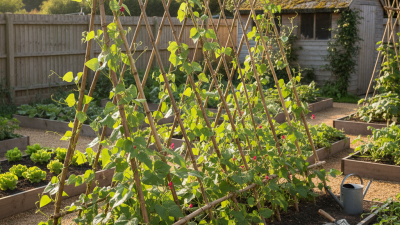
Best Tomato Plant Stakes for Healthy Growth and Support?
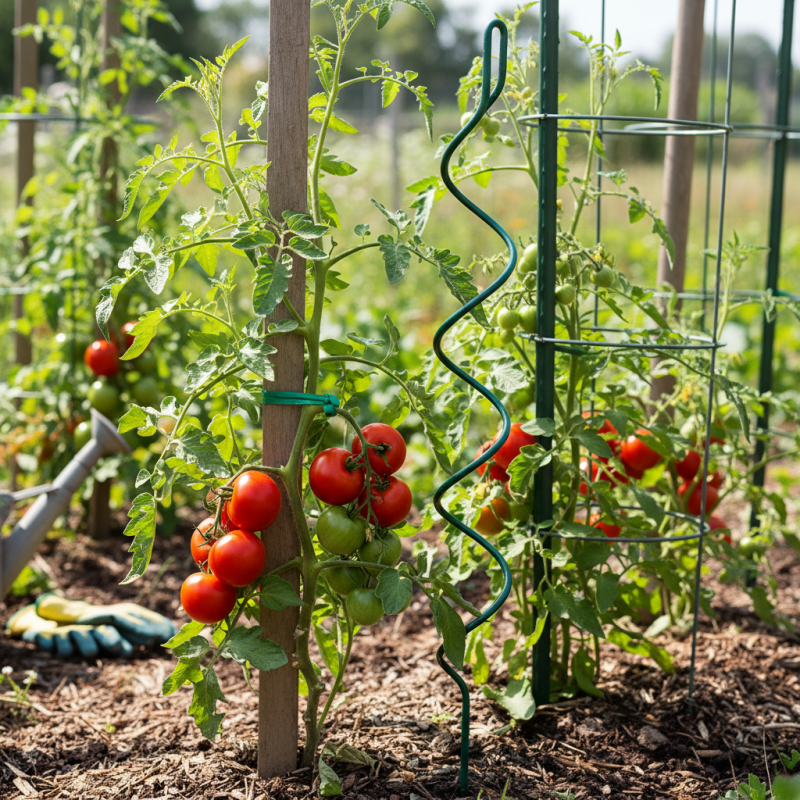
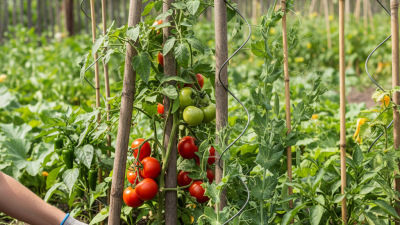
When growing tomatoes, proper support is essential. Tomato Plant Stakes play a vital role in ensuring healthy growth. These stakes prevent plants from bending or breaking under the weight of their fruit. They also allow for better air circulation and sunlight exposure.
Choosing the right stakes can be challenging. Consider materials like wood, metal, or plastic. Each type has its pros and cons. Wooden stakes may rot over time, while metal stakes may rust. It’s important to reflect on these aspects when making your choice.
Proper installation is key. Insert the stakes deep enough to withstand wind and support the plant’s height. Remember, every gardener faces challenges. Not every stake will work for your specific plants. Experimenting is often necessary to find the best fit. Selecting the right Tomato Plant Stakes can ultimately lead to a bountiful harvest.
Types of Tomato Plant Stakes and Their Benefits
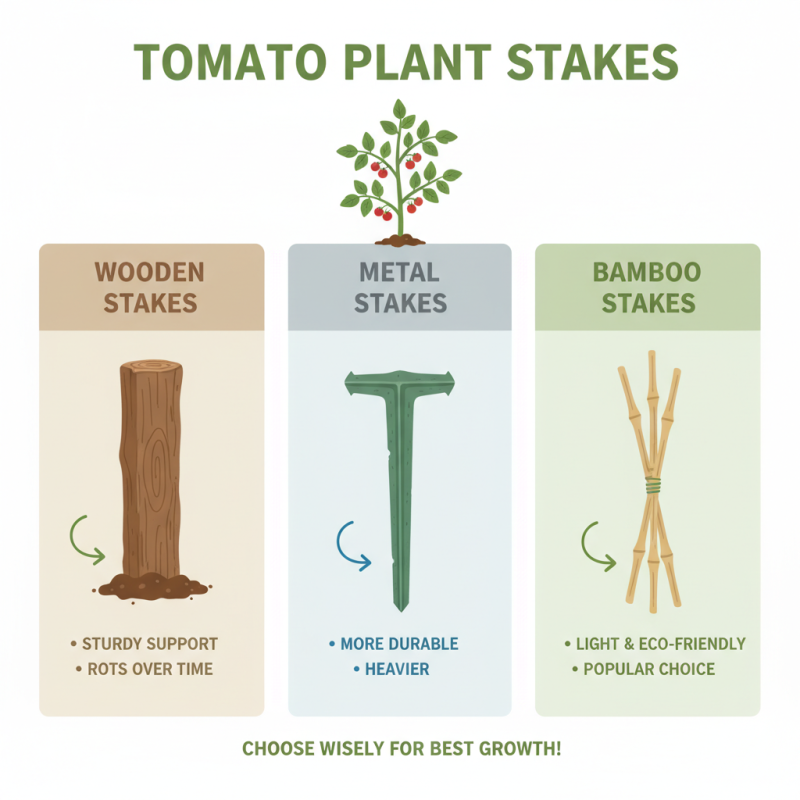
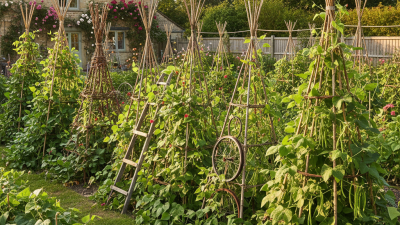
When it comes to supporting tomato plants, choosing the right stakes is crucial. Stakes offer different advantages, depending on their type. Wooden stakes are a common choice. They are sturdy and provide excellent support. However, they can rot over time. Metal stakes are more durable but may be heavier to manage. Bamboo stakes are light and eco-friendly, making them a popular option.
Using the right type of stake can impact plant health. For instance, a tomato plant with good support grows straighter and healthier. This can lead to better yields. It is essential to secure the plant gently to avoid damage. Use soft ties or cloth strips to attach the plant to the stake. Check often to ensure it isn’t constricted.
Tip: Always choose stakes that are at least 6 feet tall. This provides enough height for most tomato varieties. Consider arranging your plants to maximize sunlight. This helps in growth and reduces the risk of disease. Being attentive to your plants can make a significant difference.
Choosing the Right Height and Material for Tomato Stakes
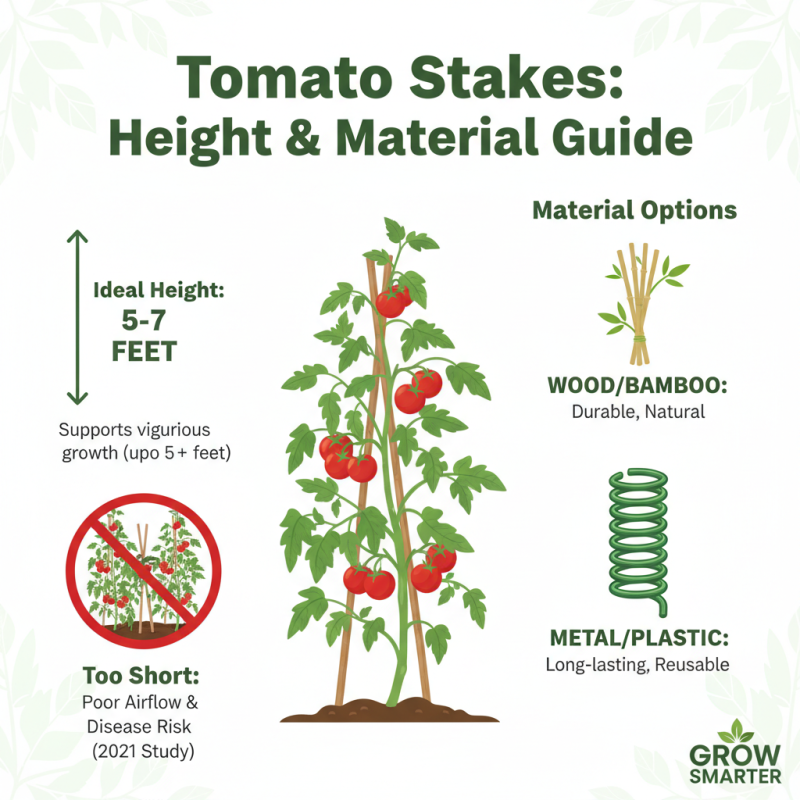
When selecting tomato stakes, height and material are crucial. The ideal height for stakes is typically between 5 to 7 feet. This range provides enough support as tomato plants can grow vigorously, sometimes reaching heights of 6 feet or more. According to a 2021 agricultural study, using stakes that are too short can lead to decreased air circulation and increased disease risk.
Wooden stakes are popular, but they can rot over time. Metal stakes, while durable, may heat up in the sun, potentially harming the plants. Research from horticultural experts shows that bamboo stakes are both sturdy and resistant to wear. They also blend well with gardens. Overall, the material choice should balance durability, weight, and environmental impact.
**Tip:** Consider the wind strength in your area. Strong winds can uproot weaker plants. Use heavier stakes for windy regions to keep your plants secure.
Understanding how to properly space and support your plants is essential. For optimal growth, space stakes 18-24 inches apart. This spacing allows adequate light and air for each plant, reducing competition. Overcrowding can lead to stunted growth and lower yields.
**Tip:** Regularly inspect stakes for stability as plants grow. Adjust support as needed, especially in early growth stages. This small effort can significantly affect overall plant health.
Proper Techniques for Installing Tomato Plant Stakes
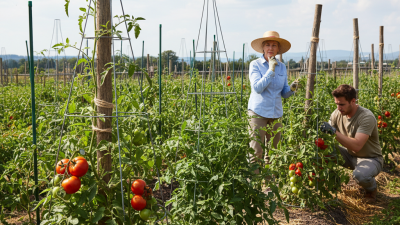
Installing tomato plant stakes correctly is crucial for robust growth. Begin by choosing sturdy stakes that are at least six feet tall. They need to support the weight of the tomato plants as they grow. Position the stakes close to the plant, but be careful not to damage the roots. This can be a tricky balance.
Hammer the stake into the ground about 6-8 inches deep. Ensure it is secure but not overly tight. Next, use soft ties or garden twine to attach the plant to the stake. Avoid tying too tightly, as this can harm the stem. It's essential to monitor the ties as the plant grows. Adjust them if they become constricting over time.
Regular checks are necessary. Sometimes, stakes may shift due to weather conditions or plant weight. Be prepared to readjust the stakes to maintain stability. If you notice your plants leaning, it might be time for stronger or additional support. Learning through these small mistakes can improve future gardening experiences.
Tips for Supporting Tomato Plants During Growth Stages
Supporting tomato plants during their growth stages is essential for achieving a healthy crop. According to the American Tomato Growers Association, approximately 30% of tomato yield loss can be attributed to inadequate support. Proper staking helps prevent stem breakage and encourages upright growth. Many gardeners overlook this aspect, leading to weak plants and reduced productivity.
When choosing stakes, consider height and material. Bamboo stakes are lightweight yet sturdy, providing ample support without harming the plants. However, they may break down over time. Metal stakes are durable, but they can heat up and potentially damage roots. Optimal height for stakes should be at least 6-7 feet for indeterminate tomato varieties. For determinate types, shorter stakes of 3-4 feet may suffice, though they too often need reinforcement.
Regular monitoring is crucial as plants grow. Adjust the ties used for securing stems to accommodate their development. Using soft plant ties or strips of fabric can minimize damage. Some gardeners find that their tomatoes lean or fall due to inadequate initial support. Reflecting on past attempts can improve future results. Investing time in proper support systems can lead to a healthier, more productive garden.
Best Tomato Plant Stakes for Healthy Growth and Support
This chart displays the effectiveness of various types of tomato plant stakes in supporting healthy plant growth. The effectiveness is rated on a scale from 1 to 10.
Maintaining and Adjusting Stakes for Optimal Tomato Health
Maintaining and adjusting stakes is crucial for the healthy growth of tomato plants. Proper support helps tomatoes grow upright. As they flourish, these plants can become top-heavy. Regularly check the stakes to ensure they provide adequate support. Adjust them as needed to prevent bending or breaking.
Inspect the stakes every week. Look for signs of stress in the plants. Are the stems leaning? If so, it may be time to reinforce the support. You might find the stakes need to be pushed deeper into the ground or secured with softer ties. Finding the right balance can take time. There's no perfect method, but experimentation is key.
Don’t forget about weather changes. High winds can easily damage your tomato plants if stakes aren’t strong enough. Consider using thicker stakes for added stability. Over time, you may notice which methods work best for your garden. Keep detailed notes and adjust your approach in the following season. It’s a learning process that requires observation and patience.
Best Tomato Plant Stakes for Healthy Growth and Support
| Stake Type |
Material |
Height (ft) |
Weight Capacity (lbs) |
Adjustability |
| Trellis Stakes |
Wood |
6 |
50 |
Fixed |
| Cajun Stakes |
Metal |
4 |
30 |
Adjustable |
| Circling Stakes |
Plastic |
5 |
20 |
Fixed |
| Bamboo Stakes |
Bamboo |
7 |
40 |
Adjustable |
| Sturdy Frame |
Metal |
8 |
80 |
None |