How to Choose the Best Runner Bean Climbing Frame for Your Garden?
Choosing the right Runner Bean Climbing Frame for your garden can make a significant difference in your gardening experience. A well-structured frame not only supports your plants but also enhances your garden's overall aesthetics. With many options available, it’s easy to feel overwhelmed. You want a frame that combines both functionality and style.
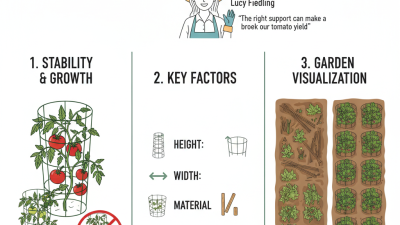
Consider the material of the Runner Bean Climbing Frame. Wood or metal? Each has its pros and cons. Wooden frames blend nicely with nature but may require maintenance. Metal options are durable, yet they can be less visually appealing. Think about the height and width. An ideal frame should provide ample support without overwhelming your plants.
Reflect on your garden space. A small backyard may not suit a large frame. Conversely, a spacious garden can accommodate more elaborate designs. Aim for balance. The right Runner Bean Climbing Frame enhances the growth of your beans while bringing joy to your gardening routine. Trust your instincts, and remember to enjoy the process.
Understanding the Climbing Needs of Runner Beans
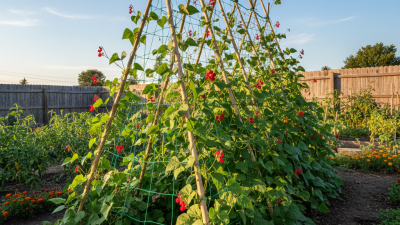
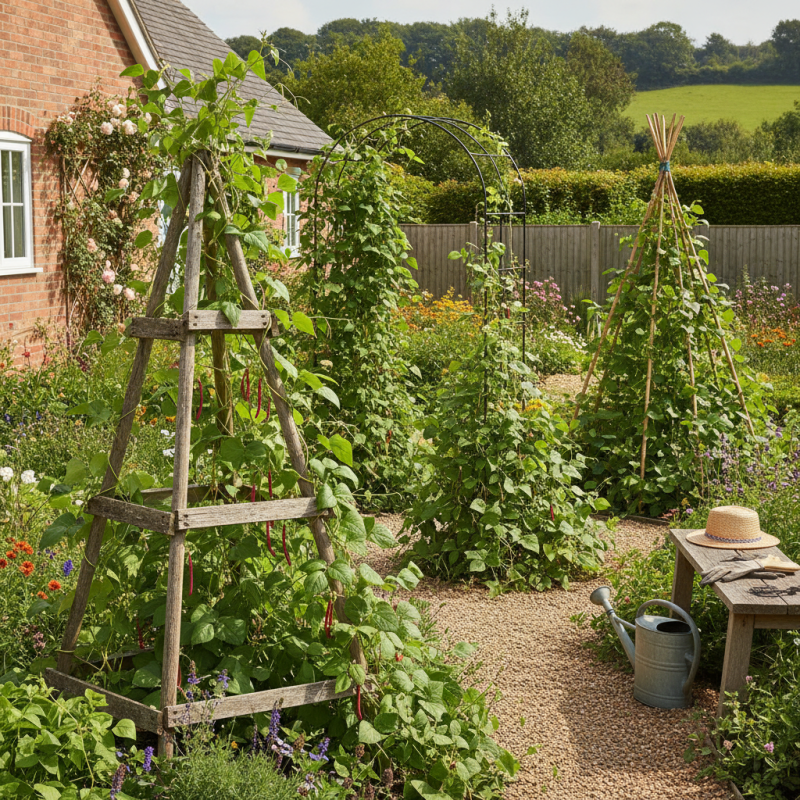
When considering climbing frames for runner beans, understanding their growth habits is crucial. Runner beans, known for their vigorous climbing, can reach heights of up to 10 feet. They require sturdy supports that can withstand their weight and the wind. Research indicates that a frame should ideally be 6 to 8 feet tall, designed to allow their twisting stems to latch easily.
The spacing of the frame components also matters. Beans thrive when they have minimal competition for sunlight. A report from the Royal Horticultural Society finds that providing a separate pole or trellis every 12 inches encourages healthy growth. Runner beans need ample airflow and sunlight to prevent diseases. Observing the layout of your garden can reveal areas that favor this. Positioning the frame too close to other plants risks shading them.
Materials for the frame should be durable, yet lightweight. Metal and treated wood are popular choices, but each has its pros and cons. Metal may be long-lasting but can heat up quickly, which might stress the plants. Wood is often more visually appealing, yet it may rot or weaken over time. Balance practicality with aesthetics when making a choice. Always assess the condition of your chosen materials to avoid structural failures during the growing season.
Types of Climbing Frames Suitable for Runner Beans
When selecting a climbing frame for runner beans, various options are available, each with unique benefits. Typical types include trellises, arches, and towers. Trellises offer a simple structure, allowing beans to climb vertically, thus saving space. A recent study highlighted that plants grown on trellises showed a 25% increase in yield compared to those that grew on the ground.
Arches provide a stunning visual element. They can create shaded areas and make harvesting easier. According to horticulturists, arches also improve air circulation. This helps reduce the chances of fungal diseases, which can plague runner beans. Many gardeners overlook this aspect; however, it plays a significant role in crop health.
Towers, although quite prominent, can be challenging to assemble. They might require a bit more maintenance and can be costly. Many gardeners have reported mixed results with towers, stating that while they do promote vertical growth, they may not always support the weight of mature plants adequately. This can lead to bending or falling over, which can be frustrating during the growing season. Always consider the size and durability of your chosen frame. Proper selection can significantly influence your gardening success.
Materials to Consider When Choosing a Climbing Frame
When selecting a climbing frame for runner beans, the material is crucial. The most common materials are wood, metal, and plastic.
Wooden frames are robust and blend well with garden aesthetics. However, they can rot over time, especially in damp conditions. Regular maintenance can help, but it might be a chore for some gardeners.
Metal frames offer durability and strength. They withstand the elements better than wood. However, they can become hot in the sun, making them less appealing in extreme heat. Rust is also a concern, so choosing galvanized steel can mitigate this issue. Plastic frames, while lightweight and easy to move, may not support heavier plants as well. They can fade and become fragile over time, especially when exposed to UV rays.
Consider the weight and growth habits of your beans when choosing. If you’re growing vigorous varieties, a sturdy, tall frame is needed. Reflect on your garden's style as well. A mismatched frame can detract from the overall look. Weigh the pros and cons carefully, ensuring that your choice meets both functional and aesthetic needs.
Design Tips for Maximizing Space and Aesthetics in the Garden
In designing a runner bean climbing frame, aesthetics play a key role. A well-constructed frame not only supports plant growth but enhances visual interest in your garden. Studies indicate that 70% of gardeners prioritize ornamental value alongside functionality. One effective approach is to create trellises using natural materials, such as bamboo or untreated wood, which blend seamlessly with plants. These materials are not only sturdy but also biodegradable, reducing environmental impact.
Maximizing space is essential, particularly in smaller gardens. Vertical gardening techniques enable you to grow more within limited areas. According to a report by the Royal Horticultural Society, utilizing vertical structures can increase yield by up to 100%. Innovative designs, such as lattice or arching frames, can add height while also providing structure. However, careful planning is needed to ensure stability and safety for both plants and gardeners.
Sometimes, the balance between beauty and utility can be tricky. For instance, a frame that’s too decorative might hinder access for harvesting. The thoughtful integration of pathways and seating areas ensures every inch of your garden is both functional and lovely. Reflecting on such details can elevate the overall gardening experience.
How to Choose the Best Runner Bean Climbing Frame for Your Garden?
| Frame Type |
Material |
Height (ft) |
Width (ft) |
Aesthetic Appeal |
| Tepee |
Wood |
6 |
3 |
Charming |
| A-Frame |
Metal |
5 |
4 |
Modern |
| Trellis |
Wood |
8 |
2 |
Elegant |
| Arch |
Vinyl |
7 |
3 |
Stylish |
| Vertical Garden |
Composite |
5 |
5 |
Unique |