What is the Best Obelisk Trellis for Your Garden Needs?
Choosing the right Obelisk Trellis for your garden can be challenging. With various styles and materials available, understanding your needs is crucial. An Obelisk Trellis not only supports climbing plants but also adds architectural interest to your outdoor space.
When selecting an Obelisk Trellis, consider your garden's aesthetics. Different designs can complement unique styles. You might prefer a classic wooden trellis or a modern metal structure. Each material has its advantages and may affect the durability and look over time.
Reflect on the types of plants you wish to grow. Some plants need more support than others. Your choice of an Obelisk Trellis should match these requirements. It's essential to balance beauty with practicality. While many options exist, avoid getting overwhelmed. Focus on what suits your garden best.
What is an Obelisk Trellis and Its Role in Gardening?
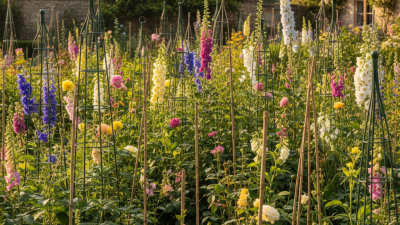
An obelisk trellis is an effective gardening structure, commonly used for growing climbing plants. It typically consists of a tall, pointed tower made from wood, metal, or trellis material. This vertical design allows plants to grow upward, maximizing space in gardens. According to industry reports, vertical gardening methods can increase yield by 30% in limited spaces, making obelisks a smart choice for urban gardeners.
The role of an obelisk trellis extends beyond aesthetics. It provides essential support for plants like peas, beans, and tomatoes. The height of the trellis fosters air circulation, reducing disease risk. Research indicates that proper air flow can decrease fungal infections by up to 20%. Additionally, the structure enhances light exposure, crucial for plant growth. However, not all plants thrive on tall structures. Gardeners need to choose wisely, as some varieties may struggle to reach the top.
Furthermore, maintaining a trellis can require more effort than anticipated. Regular checks for stability and plant health are necessary. Some gardeners overlook the importance of securing their plants properly, leading to broken stems. A balance between support and exposure is vital. The beauty of an obelisk trellis lies in its ability to transform gardens while demanding thoughtful gardening practices.
Key Features to Consider When Choosing an Obelisk Trellis
Choosing the right obelisk trellis for your garden involves key considerations that impact both aesthetics and functionality. When selecting one, pay attention to material durability. According to recent industry reports, metal trellises, such as those made from galvanized steel, offer a lifespan of over 10 years. In contrast, wooden options may require frequent maintenance and replacement every 3-5 years.
Design also plays a crucial role. An obelisk should complement your garden style. Reports show that lattice designs promote better airflow, crucial for vigorous climbing plants. If you’re planting vine varieties, taller trellises, exceeding 6 feet, optimize vertical space.
Ease of installation shouldn’t be overlooked. Some models require more assembly time and tools, which may discourage eager gardeners. Think about how easy it is to move or reposition the trellis. If you intend to use it seasonally, a lightweight option could be more practical. Additionally, assess how much weight the structure can support; many obelisks can hold plants weighing over 20 pounds, but this varies by design. Remember, the best choice balances visual appeal with practical needs.
Top Materials Used for Durable and Stylish Obelisk Trellises
When selecting an obelisk trellis for your garden, the materials used play a crucial role. Popular options include metal, wood, and fiberglass. Metal trellises offer longevity and a modern aesthetic. They resist weathering and provide robust support for climbing plants. However, they can heat up in the sun, which might not be ideal for all plant types.
Wooden trellises bring a classic charm to gardens. They blend seamlessly with natural landscapes. However, they require regular maintenance, such as staining or sealing, to prevent rotting and insect damage. Choose rot-resistant varieties like cedar or redwood for improved durability. Watch for signs of wear and treat wood promptly.
Fiberglass is another innovative option. It's lightweight, weather-resistant, and less prone to warping. Fiberglass trellises can mimic wood and metal styles, giving you versatility in design. They are easy to move, allowing for garden rearrangements. Consider your garden’s aesthetic and the maintenance level you prefer when selecting materials.
Gardeners should think about visibility and functionality. An obelisk should not overshadow the plants it supports. Proper height and design are essential. A tall structure may look stunning but can create shade for smaller plants. Reflect on these factors as you enhance your garden's beauty.
Recommended Obelisk Trellis Sizes and Heights for Various Plants
Choosing the right obelisk trellis can enhance your garden's aesthetics while supporting plant growth. When considering sizes and heights, think about the specific needs of your plants. For climbing flowers like sweet peas or morning glories, taller obelisks around 6 to 7 feet work well. These trellises provide ample support for their vigorous growth.
On the other hand, smaller plants like certain types of beans can thrive on 4 to 5 feet trellises. These heights allow the plants to reach toward the sun while remaining manageable. Reflect on the space you have available. A trellis that is too large can overpower a small garden. Conversely, one that is too short may not give your plants the support they need.
Remember to consider plant spacing as well. Some plants need more room to grow than others. Ensure your trellis accommodates this. Occasionally, you may find yourself underestimating how quickly a plant can grow. It's a common mistake. Always keep in mind that a well-chosen obelisk can transform your garden into a vibrant haven.
Best Obelisk Trellis Sizes for Different Plants
This chart displays the recommended height for obelisk trellises suitable for various types of plants commonly grown in gardens. The heights vary depending on the climbing ability and growth habits of the plants.
Case Studies: Successful Garden Designs Using Obelisk Trellises
When designing a garden, obelisk trellises can be game-changers. They not only provide vertical growth support but also enhance the visual appeal of your space. In one stunning example, a homeowner utilized a wooden obelisk to train climbing peas and elegant flowering vines. This combination created a beautiful focal point that attracted pollinators and delighted guests.
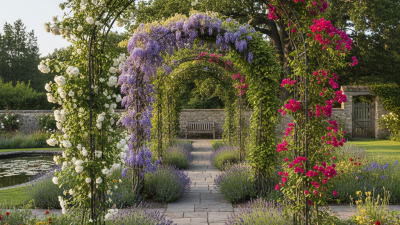
Another case study showcases a brick-and-mortar garden that incorporates metal obelisks. These structures elegantly support climbing roses, creating a stunning archway. The reflective nature of the metal contrasts beautifully with the bright colors of the blooms. Interestingly, the gardener noted that while the metal was durable, it required regular maintenance to prevent rust.
Some challenges arise when selecting the right obelisk. For instance, a tall design can offer great height but may need additional anchoring, especially in windy areas. A trellis that is too small might not provide adequate support for larger plants. Gardeners often find that trial and error lead them to the best solutions for their specific needs. This iterative process fosters a deeper understanding of plant growth patterns and gardening dynamics.