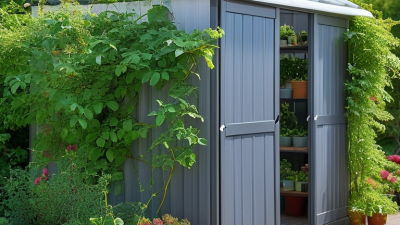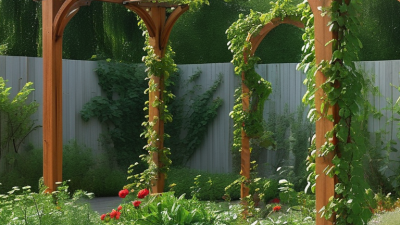
A Runner Bean Climbing Frame gives runner beans a clear route upward and keeps their growth out of muddy paths. That simple change can make a small plot feel easier to manage. The stems twine around poles or mesh, while leaves spread into a leafy screen. In summer, flowers and pods become easier to spot and pick. Small detail.
A useful frame should suit both the space and the variety being grown. A sturdy tripod, A-frame, or upright net can work, provided its supports are anchored firmly before planting. Check the frame height, spacing, and material; thin, flexible canes may bend under wet foliage and a heavy crop. Leave room around the base for watering and airflow. Choose a position where sunlight reaches the plants for much of the day. That part is easy to underestimate.
Climbing support helps gardeners use vertical space, which is valuable in raised beds and narrow gardens. It can reduce tangled growth and make harvesting less awkward, though it does not guarantee more beans. Water, soil fertility, pollination, and weather still shape the harvest. A frame that looks strong in dry weather may sway after wind or rain. So inspect ties and joints as the plants climb. A little adjustment. The choice is practical, not decorative alone: pick a frame that is stable, reachable, and easy to store. The best option depends on your garden, and that judgment can take a season to refine.
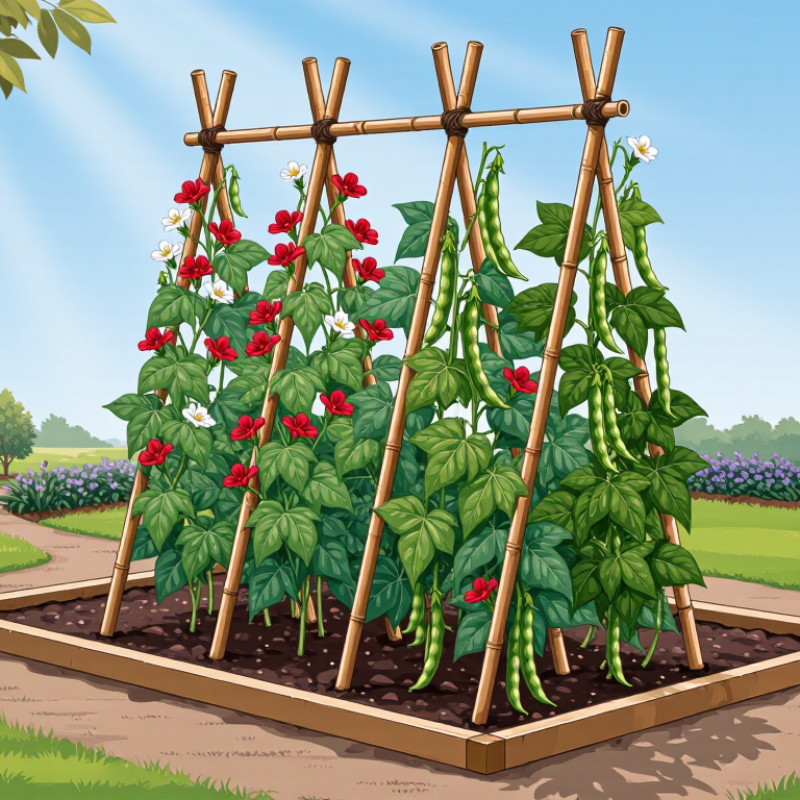
A runner bean climbing frame is a sturdy structure that supports the plant’s twining stems as they grow upward.
It may be an A-frame, a row of poles joined by a ridge, or a simple trellis with taut netting. The goal is practical: give leaves and flowers room, keep pods off the soil, and make picking easier.
RHS growing guidance recommends supporting climbing beans with canes around 1.8 metres tall. That height gives vigorous plants space to climb, though exposed gardens may need stronger, well-anchored supports.
In use, the frame becomes a leafy wall of stems, heart-shaped leaves, and bright flowers. Tie soft twine between poles, or guide young shoots gently around the canes; don’t pull them tight.
A stable base matters. Push poles firmly into the ground before planting, since a frame loaded with wet foliage can lean after wind or rain. Leave enough space to reach the back and check pods regularly. It sounds simple, and mostly is.
A frame is not a yield guarantee. Soil, weather, watering, and pollination still matter, and an overgrown structure can become difficult to harvest.
RHS advice also stresses keeping beans watered during dry spells, especially as flowers and pods develop. That detail is easy to overlook. A frame should make routine care easier, not turn a small vegetable bed into an awkward thicket.
How a Climbing Frame Supports Runner Bean Growth
Runner beans climb by twining their stems around nearby supports. A sturdy frame gives those stems a clear route upward and keeps growing plants off damp soil. The Royal Horticultural Society recommends supports around 1.8–2.4 metres high for climbing beans. That height gives vigorous vines room to grow and makes the pods easier to spot and pick. A loose cane wobbling in the wind is not enough.
Set canes firmly in the ground before planting, then tie their tops into a wigwam or ridge-shaped frame. Guide young shoots gently around the poles; they may need help finding the way. Leave space between plants so leaves are less crowded and you can reach the flowers and pods. This matters when summer growth becomes dense. It can still feel awkward to harvest the inner plants.
A frame also helps keep pods visible as they lengthen, reducing the chance of missed, overgrown beans. The RHS advises regular picking to encourage continued cropping. Check the structure after strong wind and tighten loose ties. Runner beans are heavy when wet, and a frame that looked solid in May may sag by August. Good support helps, but it cannot replace watering during dry spells or attentive harvesting. Sources: Royal Horticultural Society, “Runner beans: growing”; RHS guidance on harvesting runner beans.
| Growth or Design Factor | Typical Requirement | How the Climbing Frame Helps | Practical Check |
|---|---|---|---|
| Support height | Approximately 2.0–2.4 m for a traditional tall support | Provides a vertical route for twining stems and keeps foliage away from the soil surface. | Choose a height that can be reached safely for harvesting and late-season removal. |
| Frame width and spacing | Allow sufficient room for plants to climb without overcrowding. | Improves access to stems, flowers and pods while reducing tangled growth. | Leave working space between rows and avoid placing plants directly against a wall. |
| Structural stability | Firm uprights with the base anchored in the soil | Supports the increasing weight of stems, leaves and bean pods and reduces movement in wind. | Push or secure the lower ends into firm ground and test the frame before vines become heavy. |
| Climbing surface | Vertical poles, canes, netting or string positioned close to the plants | Gives young shoots a clear surface to grip or wrap around as they extend upward. | Guide early shoots by hand; do not pull or sharply bend brittle stems. |
| Air circulation | Open spacing around leaves and stems | Helps foliage dry after rain and makes inspection easier. | Avoid dense tangles and remove damaged or yellowing leaves when appropriate. |
| Light exposure | A bright, open growing position | Trains foliage upward, helping the plant use available light efficiently. | Position the frame where it receives several hours of direct sunlight, subject to local conditions. |
| Watering access | Consistent moisture, especially during flowering and pod formation | Keeps foliage elevated and leaves the soil surface more accessible for watering and mulching. | Water the root zone rather than repeatedly wetting the leaves. |
| Harvest access | Pods should remain visible and reachable | Organises the crop into a manageable vertical surface for regular picking. | Harvest young, tender pods frequently to encourage continued production. |
| Seasonal durability | Materials suitable for outdoor moisture and summer wind | Reduces the chance of collapse during the main growing period. | Inspect ties, joints and anchor points regularly, especially after strong winds. |
| End-of-season handling | Easy access for removing spent vines and checking the frame | Makes crop clearance and storage or cleaning more straightforward. | Remove plant material after the crop finishes and store reusable supports in a dry place where practical. |
A runner bean climbing frame gives vigorous vines a clear structure and better access to sunlight. The best material depends on your growing space, weather, and available support.
Bamboo is lightweight, affordable, and easy to cut. It suits raised beds and small gardens. However, untreated bamboo can weaken after repeated wet seasons. I learned this after one frame softened near the soil line.
Treated timber offers a warmer appearance and strong support for larger beds. Choose pieces with smooth surfaces and avoid sharp splinters near hand height.
Galvanised steel lasts longer in damp conditions and handles heavy, mature vines well. It works especially well in exposed gardens, although metal may become hot in strong sunlight.
Recycled plastic can suit damp balconies, but some designs flex under wind pressure. That detail is easy to miss.
Match the design to the growing area. A simple A-frame fits between narrow beds and allows beans to hang on both sides.
A wall-mounted trellis saves floor space, but it needs secure fixings and a small gap behind the vines.
For balconies, use a compact vertical frame with a weighted planter. Check the railing before adding height.
In windy locations, wider feet and diagonal bracing reduce movement. My own first frame was too tall and needed extra ties.
Measure twice.
Leave room for watering, harvesting, and airflow around the leaves.
Choosing a runner bean climbing frame begins with the site, not the frame’s appearance. Runner beans grow vigorously and become heavy after rain. A flimsy structure can lean, twist, or collapse during a windy week. Measure the bed before buying or building. Leave enough room for access, watering, and harvesting. In my garden, a narrow A-frame saved space, but its low centre made picking awkward. That detail mattered more than I expected.
Select weather-resistant timber, coated metal, or strong garden mesh with secure fixings. The frame should stand at least 2.1 metres high, giving mature vines room to climb. Set each support firmly in the soil, ideally 30 centimetres deep, or anchor it to a stable base. Use a wide footprint when the site is exposed. Cross-bracing helps prevent sideways movement. Avoid smooth, widely spaced poles. Young tendrils need reachable support, usually every 15 to 20 centimetres.
Match the frame to your planting pattern. A double row suits an A-frame, while a single row works well against a reinforced trellis. Keep the structure away from fragile branches and check its shade across the bed. Morning sun and good airflow can reduce damp foliage. Inspect joints after heavy rain, because small movements become large failures. I once ignored one loose tie and lost several stems. I would choose easier access now, even if the frame looked less elegant.
A runner bean climbing frame gives vigorous vines a firm route toward sunlight. Choose a sunny, sheltered position with fertile, well-drained soil. Set the frame before sowing, because young roots dislike later disturbance. Push each support at least 30 centimetres into the ground. Secure the top with strong horizontal ties or a weather-resistant crossbar. My first frame leaned after heavy rain, so I now test every joint by hand.
Space the canes about 30 centimetres apart, leaving enough room for airflow and harvesting. Sow two seeds near each support, then remove the weaker seedling if both grow. Guide new shoots around the frame when they reach 15 centimetres. Use soft garden twine, not tight knots. The stems thicken quickly. Check them twice each week, especially after windy weather. Sometimes a vine chooses the wrong direction, and forcing it can snap the tender tip.
Keep the soil evenly moist while flowers and pods develop. Water deeply at the base during dry mornings. Mulch can reduce evaporation, but keep it away from the main stems. Inspect leaves for curling, holes, or sticky residue. Remove damaged foliage carefully and improve air movement before using any treatment. Tighten loose ties, replace split canes, and check that the structure remains stable after storms. I still miss an occasional hidden pod; neglected beans become tough and remind me to harvest every few days.