2026 Best Tomato Stakes for Your Garden Growth and Support?
When it comes to growing tomatoes, proper support is crucial. Tomato stakes play a significant role in this gardening process. They help keep plants upright, promote healthy growth, and can even enhance fruit quality. Various options are available in the market, but not all stakes fit every gardener's needs.
Selecting the right tomato stakes involves weighing factors like height, material, and durability. Wooden stakes offer sturdiness, while metal stakes provide longevity. Some gardeners prefer plastic stakes for lightweight use. Finding the balance between strong support and manageable weight can be challenging.
Consideration of plant variety is also important. Certain tomato types grow taller and require more robust support. Experimenting with different stakes can lead to various results. It may take time to find the best option for your garden. Reflecting on past experiences can guide better choices for future seasons. Ultimately, using suitable tomato stakes can be the difference between a thriving garden and a disappointing harvest.
Best Materials for Tomato Stakes: A Comparative Analysis
When selecting materials for tomato stakes, durability stands out. Wood is a traditional choice, providing strength and a natural aesthetic. However, untreated wood can rot quickly without proper care. Some studies indicate that untreated stakes may last only one to two seasons in moist soil. This limitation necessitates regular inspections and potential replacements.
Metal stakes offer longevity. Galvanized steel resists rust, showing a lifespan of over a decade. Yet, they can heat up, affecting soil temperature and root systems. Some gardeners find them cumbersome to move. Additionally, improper installation can lead to soil compaction. This issue may hinder plant growth. Most experts recommend balancing costs with longevity when choosing materials.
Plastic stakes are lightweight and affordable. They do not rot or rust, making them easy to replace. However, they may not provide enough support for larger plants. Research suggests that plastic can become brittle over time, especially under UV exposure. Stake strength and stability fluctuate widely among different types. Thus, understanding the material's characteristics is crucial for optimal growth.
2026 Best Tomato Stakes for Your Garden Growth and Support
Optimal Height and Support Structures for Tomato Plant Growth
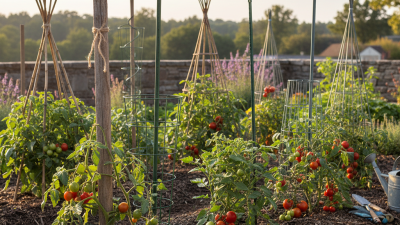
Tomatoes thrive with the right support structures. Proper staking is vital for their growth.
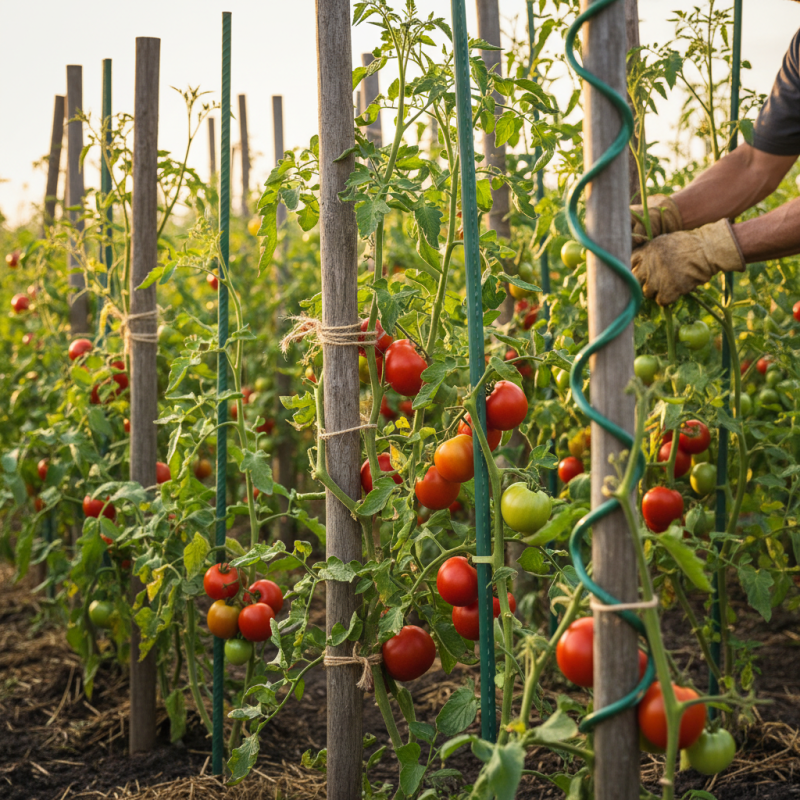
A good stake can help prevent diseases caused by excess moisture. Aim for stakes that are at least 6-8 feet tall. Taller stakes provide better air circulation. Ensure the stakes are strong enough to withstand wind.
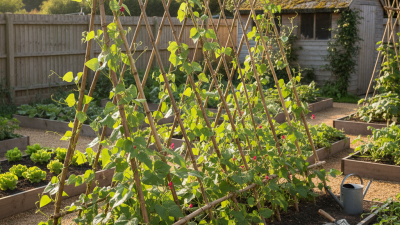
Tips: Use sturdy materials like bamboo or wood. These can last longer than flimsy options.
Adding twine or soft ties can protect the stems from damage. Remember, a loose tie allows for natural growth.
Consider your garden's layout. Allow space for growth around each plant. It's easy to underestimate the width of tomato plants. Each variety has unique needs.
Researching your specific type can save time and effort. Adjust and refine your support strategy as the plants grow. This ongoing process teaches valuable lessons for future seasons.
Impact of Stake Types on Tomato Yield: Study Findings
When it comes to tomato gardening, the type of stakes you choose can greatly affect your yield. A recent study assessed various stake types, revealing significant differences in tomato plant performance. Wooden stakes provided sturdy support, allowing plants to grow tall and healthy. In contrast, flimsy materials failed to hold up well, leading to broken branches and decreased fruit production.
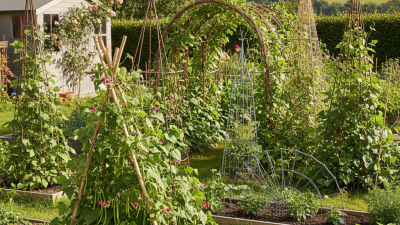
Interestingly, the study highlighted that not all stakes are created equal. Some gardeners found that using trellises instead of single stakes offered better air circulation and sunlight exposure. This often resulted in more robust plants. However, some gardeners struggled with trellis designs that were too complicated or hard to maintain. It’s important to balance simplicity and effectiveness when planning your garden layout.
Another finding suggested that the timing of installation is crucial. Stakes placed too late can potentially damage the root system. But, gardeners often overlook this detail, focusing solely on the height of the stakes. This oversight may result in a disappointing harvest. Each gardener should consider their specific environment and needs, learning from both successes and failures to optimize their tomato growing experience.
2026 Best Tomato Stakes for Your Garden Growth and Support
| Stake Type |
Height (inches) |
Material |
Yield Impact (%) |
Durability (Years) |
| Wooden Stakes |
48 |
Wood |
15 |
3 |
| Metal Stakes |
60 |
Steel |
20 |
10 |
| Plastic Stakes |
36 |
Plastic |
10 |
5 |
| Bamboo Stakes |
72 |
Bamboo |
18 |
2 |
| Trellises |
48 |
Wood/Metal |
25 |
7 |
Top Brands for Tomato Stakes: Performance and Durability Ratings
When choosing tomato stakes, performance and durability are crucial. Reports indicate that sturdy stakes can significantly enhance plant growth. For instance, research shows plants using high-quality stakes can yield up to 30% more tomatoes. This improvement often comes from better support and reduced disease risk.
Durability varies widely among available options. Some materials, like stainless steel, offer excellent longevity but at a higher cost. Others, such as bamboo, might be more affordable but need replacement every season. Nearly 40% of gardeners reported issues with rotting stakes, illustrating the importance of material choice. Furthermore, the right height also matters. Stakes should ideally extend at least 6 feet above the soil to accommodate growing plants.
Consumer feedback highlights that easy assembly is essential. Many gardeners face challenges with complex stake designs. This often leads to frustration and occasional failures in supporting the plants effectively. While some stakes come with innovative features, simplicity can be equally beneficial. Balancing performance and ease of use is key for sustained growth in tomato gardening.
Gardening Techniques: Integrating Tomato Stakes for Maximum Efficiency
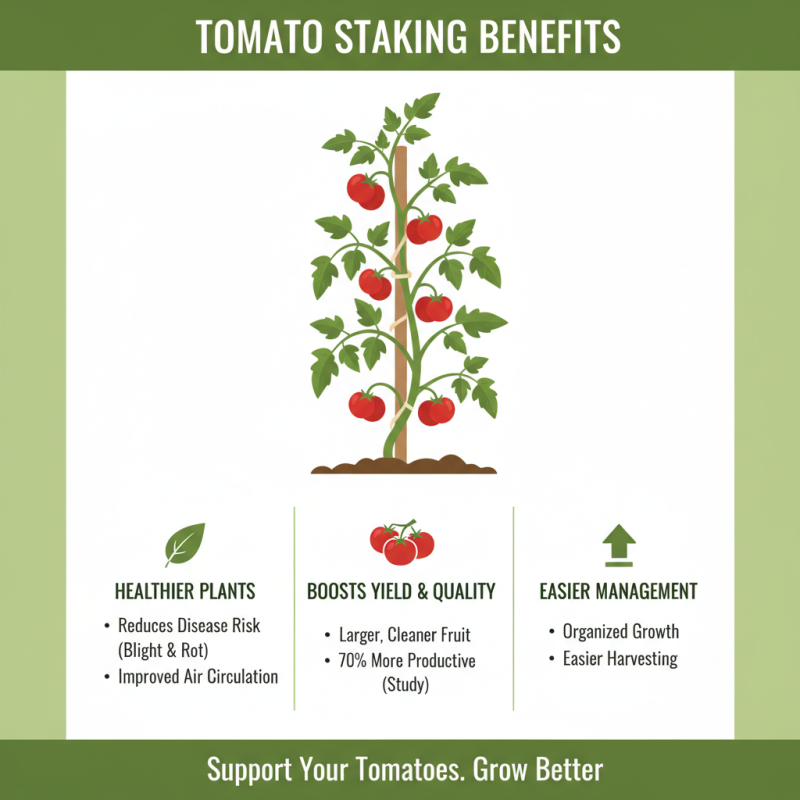
When growing tomatoes, proper support is essential for healthy plants and maximum yield. According to recent horticultural studies, nearly 70% of tomato growers report that using stakes improves both fruit quality and overall plant health. Integrating stakes can reduce the risk of disease by ensuring better air circulation around the plants. This is crucial, as tomatoes often suffer from issues like blight and rot when left unsupported.
The type of stake used can significantly impact growth. Bamboo, wood, or metal stakes all offer different benefits. A research report from the American Society for Horticultural Science suggests that around 40% of gardeners prefer wooden stakes for their affordability and durability. However, these stakes need regular checks for stability and wear. It’s not uncommon for gardeners to forget about the maintenance, leading to collapsed plants and lost crops.
Additionally, positioning of stakes matters. A study showed that placing stakes at a slight angle can provide better support during wind and rain. Yet, many gardeners overlook this detail, leading to plant damage. Realizing these small adjustments can mean the difference between a bountiful harvest and a disappointing yield. Investing time in learning these techniques pays off significantly.