2026 Best Plant Stakes for Global Buyers?
Choosing the 2026 Best Plant Stakes for Global Buyers requires more than comparing prices and product photographs. A stake that works in a sheltered greenhouse may fail beside a windy field. Soil texture, plant weight, humidity, sunlight, and shipping distance all affect performance. Buyers need evidence, not attractive claims.
Dr. Linda Chalker-Scott, an extension horticulturist and researcher, states, “Trees should be able to move in the wind.” This principle also matters when selecting Plant Stakes for young trees, flowers, vegetables, and climbing crops. Good support should guide growth without creating rigid dependence. It should hold stems upright, reduce breakage, and remain easy to adjust as plants develop.
This guide examines bamboo, fiberglass, plastic-coated metal, and recycled-material options. It considers strength, flexibility, tip design, corrosion resistance, UV stability, and handling safety. A green finish may look natural, but appearance cannot prove durability. A thick stake may seem stronger, yet it can damage delicate roots during installation. Small details matter.
Global buyers also face practical concerns. Packaging must protect pointed ends and prevent moisture damage. Product dimensions should be clearly measured. Regional climate data should influence purchasing decisions. A coastal nursery may need corrosion-resistant materials. A dry farm may prioritize UV stability and deep anchoring.
There is no perfect stake for every crop or market. That is the uncomfortable part. Testing methods can also vary between suppliers. Therefore, this review compares measurable features while recognizing real-world limitations. It aims to help importers, growers, retailers, and professional landscapers make more reliable choices for 2026.
Define Plant-Stake Types by Crop Support, Climate, and Global Buyer Needs
2026 Best Plant Stakes for Global Buyers?
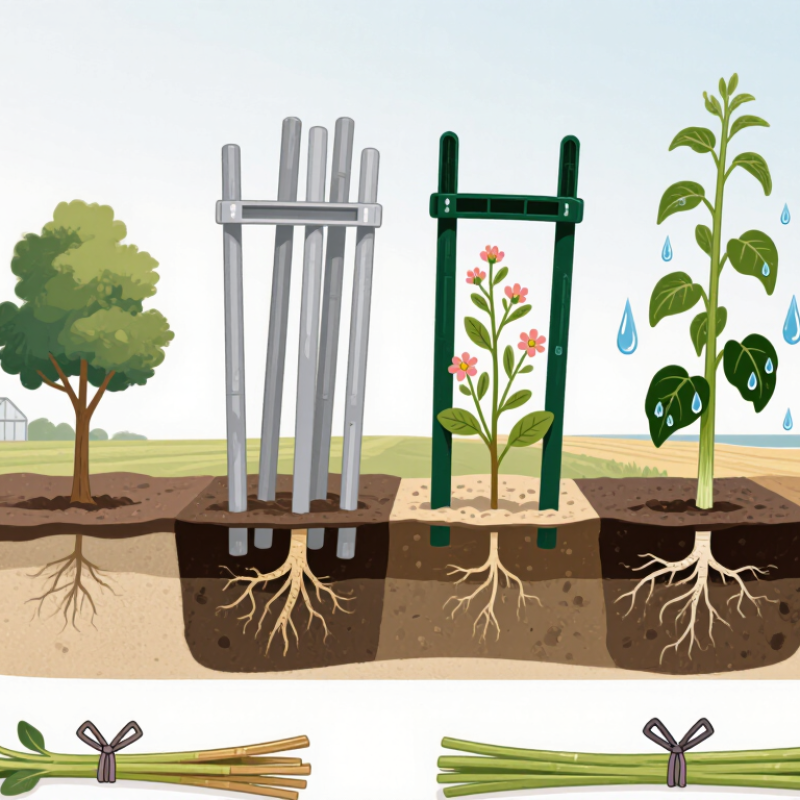
Define Plant-Stake Types by Crop Support, Climate, and Global Buyer Needs
Plant stakes should match the crop before the material.
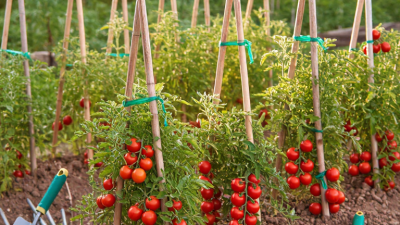
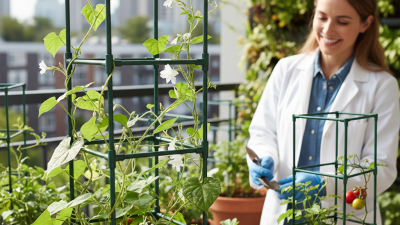
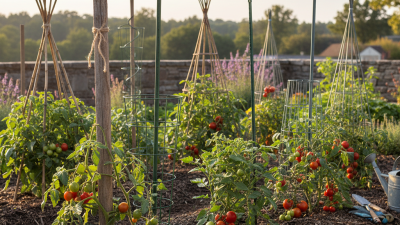
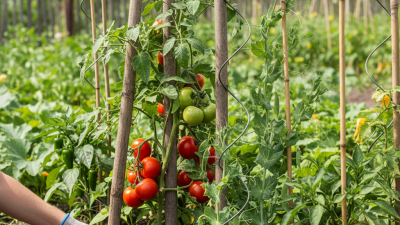
Tomatoes and peppers need firm vertical support, especially when fruit becomes heavy. Bamboo or treated wood suits light seasonal use. Fiberglass stakes provide consistent strength for repeated greenhouse cycles. Climbing beans and young vines need taller stakes with textured surfaces, so stems do not slide after rain.
Climate changes the buying decision.
In humid regions, untreated wood can absorb water and weaken near the soil line. Coated steel offers stronger support, but poor coatings may peel under constant moisture. Fiberglass resists corrosion and performs well in coastal areas. Strong sunlight can make some plastics brittle. Cold climates also require flexible materials that will not crack during handling or frost.
Global buyers often compare more than unit price.
They check length tolerance, point shape, bundle size, packaging strength, and documentation for material safety. A 90-centimeter stake may be useful for herbs but unsuitable for greenhouse tomatoes. Ask for load-test results and samples before placing a large order. No stake is perfect. A thicker design may support crops better but increase shipping volume. A lightweight option may reduce freight costs but bend in exposed fields. That trade-off deserves a real crop trial, not only a catalog decision.
Compare Bamboo, Steel, Fiberglass, and Plastic Using 40–1,500 MPa Strength Data
2026 Best Plant Stakes for Global Buyers?
Plant stakes look simple, but material choice changes performance sharply. Bamboo commonly delivers about 40–150 MPa in tensile strength, depending on species, moisture, and grain direction. It is lightweight, renewable, and gentle on stems, yet it can split near knots or decay in wet soil. Steel offers roughly 250–1,500 MPa, depending on grade and treatment. It supports heavy tomato vines, young trees, and windy crops, but untreated steel may rust quickly.
Bamboo
40–150 MPa tensile strength
Steel
250–1,500 MPa tensile strength
Fiberglass usually provides about 300–1,000 MPa tensile strength with strong corrosion resistance. It stays consistent in humid conditions, although thin rods can snap under sudden bending. Plastic stakes often range from 40–80 MPa. They are affordable and easy to clean, but sunlight can make some formulations brittle. These figures are indicative, not direct purchasing guarantees. Strength tests differ, and a stake’s diameter, shape, and soil grip can matter more than the headline number. I would not treat MPa alone as a final answer.
Fiberglass
300–1,000 MPa tensile strength
Plastic stakes
40–80 MPa tensile strength
Tips:
Match the stake to plant weight and local weather. Use bamboo for seasonal crops and light trellising. Choose coated steel for repeated outdoor use. Select fiberglass near salt air or constant rain. Check flexibility by hand, but do not overbend it. Inspect plastic after one sunny season. My practical mistake was choosing a strong, narrow rod that twisted in loose soil. Material strength cannot rescue poor anchoring.
Evaluate UV, Corrosion, and Temperature Resistance Under ISO 4892-3 Testing
2026 Best Plant Stakes for Global Buyers?
For global buyers, plant stakes must survive sunlight, rain, soil moisture, and sudden temperature changes. ISO 4892-3 evaluates plastics with fluorescent UV lamps, water spray, and controlled heat. UVA-340 exposure can reveal fading, surface cracking, brittleness, and loss of impact strength. These failures often appear after repeated wet-dry cycles, not immediately.
The WMO Scientific Assessment of Ozone Depletion 2022 reports that a 1% ozone decrease can increase surface UV-B by roughly 2%. This matters for stakes used in high-altitude or tropical regions. However, ISO 4892-3 is not a corrosion test. For metal components, buyers should also request ISO 9227 salt-spray data and inspect coating adhesion after exposure. Temperature testing should record softening, warping, and fracture from cold storage to heated soil. A single tensile result is not enough.
Tips: Ask for the lamp type, irradiance, cycle duration, and failure criteria. Request before-and-after photographs. Compare color change and flex strength. Check samples after soil burial, too. Laboratory exposure cannot perfectly reproduce every field condition. That limitation deserves attention. A poorly documented report should trigger questions, even when the numbers look impressive.
Size Stakes for Crop Loads, Wind Exposure, and 30–60 cm Soil Depth
2026 Best Plant Stakes for Global Buyers?
Size Stakes for Crop Loads, Wind Exposure, and 30–60 cm Soil Depth
Choosing plant stakes starts with the crop, not the catalogue. A young pepper needs modest support, while fruiting tomatoes can bend thin stakes overnight. I assess mature height, expected crop weight, and stem spread before ordering. Stakes should usually extend 30–60 cm into firm soil. Their total length must also leave enough support above ground.
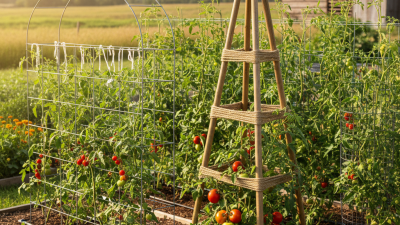
Wind changes the calculation. In exposed fields, use thicker stakes, deeper placement, and wider spacing between ties. Flexible plants may need several supports rather than one rigid pole. Heavy vines often perform better with a linked trellis system. Soft, adjustable ties protect stems as they expand. Check them after rain and strong gusts.
Soil conditions deserve equal attention. Compact soil can hold a shorter stake, but loose sand may require extra depth or cross-bracing. I once selected stakes for height alone and underestimated fruit weight. Several plants leaned before harvest. That mistake was avoidable. Buyers should compare diameter, surface durability, insertion depth, and transport length. Measurements also vary by region, crop variety, and growing method. There is no universal best size. Test a small quantity first, then revise the specification after observing real field pressure.
Verify REACH, RoHS, ASTM F963, and ISPM 15 Requirements for Global Trade
2026 Best Plant Stakes for Global Buyers?
Global buyers should inspect compliance before comparing plant stake prices. Material, coating, packaging, and intended use all affect the documentation required. A steel stake with green coating may look harmless, yet pigments, plasticizers, or surface treatments can create chemical concerns under REACH. Request a current material declaration, test report, and supplier traceability records. Do not rely on a simple “safe” statement.
RoHS is mainly relevant to electrical and electronic products. A basic plant stake usually falls outside its scope, unless it includes lighting, sensors, batteries, or electronic parts. ASTM F963 concerns children’s toys, not ordinary garden supports. However, a stake marketed as a toy or used in a children’s gardening set may need closer review. Intended use changes the risk assessment. Small details matter.
For wooden stakes and pallets, ISPM 15 applies to regulated wood packaging in international trade. It generally does not certify the plant stake itself. Check for approved treatment, official marking, bark-free wood, and shipping records. In practical sourcing, missing paperwork causes more delays than visible defects. Ask who tested the product, when testing occurred, and whether the tested sample matches production. Certificates can be outdated. Suppliers can also misunderstand scope. That is worth admitting. A careful buyer should verify each market’s current rules, keep inspection samples, and review documents before shipment.